

Stage-based models of grief, such as Elisabeth Kübler-Ross’s famous Five Stages of Grief – denial, anger, bargaining, depression, and acceptance – have shaped the way the public and professionals alike understand loss.
These models offer a clear and simple framework, giving people language for their pain and helping counsellors introduce the idea that grief unfolds in phases.
However, despite their enduring popularity, stage-based models have also faced significant criticism. Many grief experts argue that while these models were groundbreaking at the time, they risk oversimplifying a deeply personal and complex process.
💫 A Brief Look at Stage-Based Grief Models
When Elisabeth Kübler-Ross first proposed the Five Stages in On Death and Dying (1969), her research focused on people facing their own terminal illness—not on the bereaved. Over time, the model was adapted and applied to those grieving the death of a loved one.
Other stage-based frameworks followed, each suggesting that grief follows a predictable pattern of emotions or reactions. The appeal of these models lies in their structure: they make grief feel understandable, even manageable. Yet, human experience rarely fits neatly into a set of sequential stages.
🔄 Grief Is Not Linear
One of the main criticisms of stage-based models is that grief is not a linear process.
People do not necessarily move smoothly from denial to acceptance. Instead, they may revisit certain emotions repeatedly, experience several at once, or skip others entirely.
Grief can ebb and flow, intensifying unexpectedly or resurfacing years after a loss. Someone may feel acceptance one day and anger the next—both valid and normal experiences.
In this sense, stage models risk pathologising natural variations in grieving. When people believe they are “doing grief wrong” because they haven’t progressed through the stages in order, it can add unnecessary guilt or pressure to “move on.”
🌍 Cultural and Contextual Limitations
Another major critique lies in how stage-based models overlook cultural differences in grieving.
Expressions of loss are deeply shaped by cultural, spiritual, and social norms—from communal mourning rituals to private forms of remembrance.
For example, some cultures emphasise maintaining an ongoing relationship with the deceased through prayer, storytelling, or ancestral traditions. Others may focus on letting go or achieving closure.
Stage-based frameworks, developed largely within Western psychology, often fail to reflect this diversity, leading to a one-size-fits-all view of grief that doesn’t align with many people’s lived experiences.
🧭 Individuality and the Complexity of Grief
Grief is influenced by numerous factors:
- The nature of the relationship with the deceased
- The circumstances of the loss
- Personality and coping style
- Social and cultural context
- Past experiences with loss
These variables make each grieving journey highly individual. Two people can experience the same event yet have completely different emotional trajectories.
Stage-based models can obscure this complexity by suggesting that everyone passes through the same universal phases. Instead, modern grief research recognises that grief is not a condition to be “worked through” but a process of adaptation.
🌿 Alternative Ways of Understanding Grief
In response to these criticisms, many contemporary grief theorists and counsellors advocate for more flexible, adaptive frameworks.
Two key concepts often highlighted are:
1. Acute and Integrated Grief
Rather than discrete stages, grief may unfold in phases:
- Acute grief: the intense, early period following a loss, often marked by shock, yearning, and disorganisation.
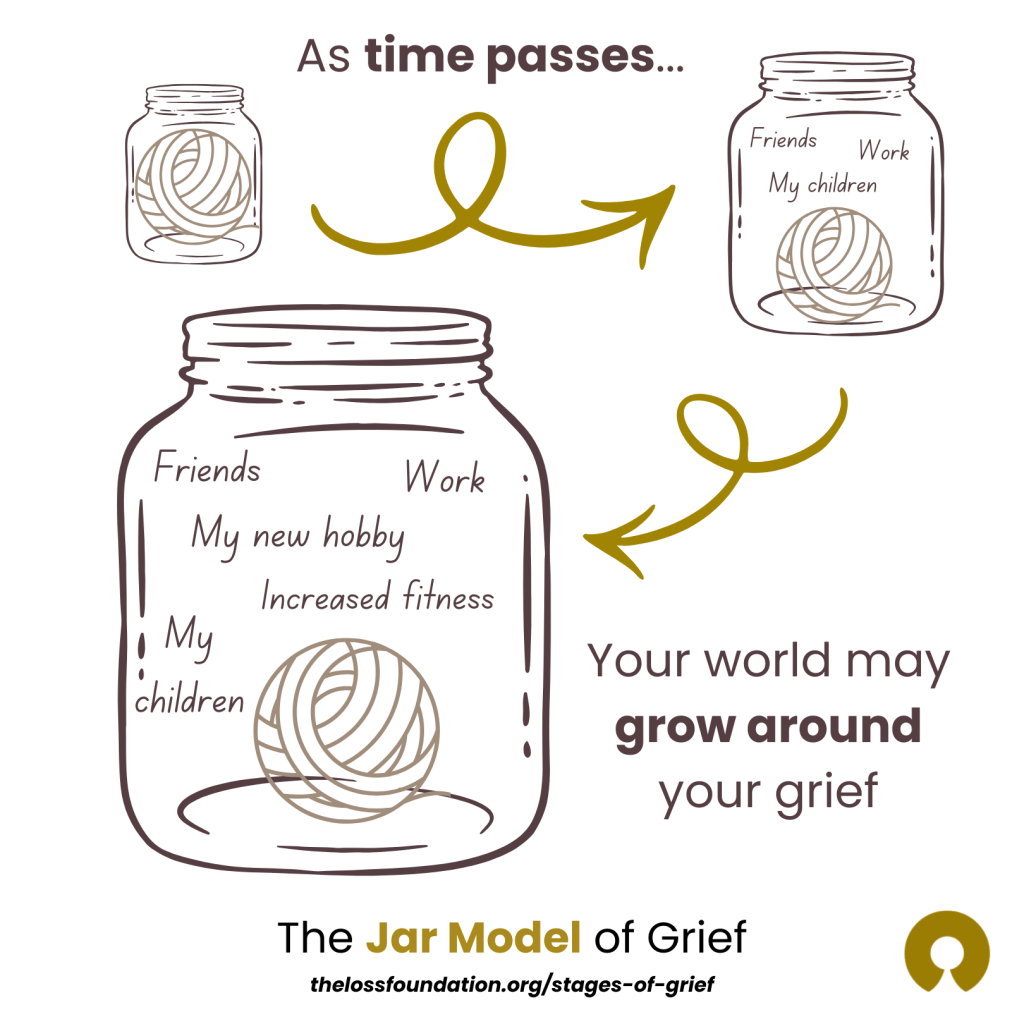
- Integrated grief: the gradual process of adapting to life after loss, where the pain softens but the bond and memories remain.
This perspective recognises that while the intensity of grief changes, it doesn’t necessarily disappear – and that maintaining connection can be healthy.
2. Continuing Bonds and Meaning Reconstruction
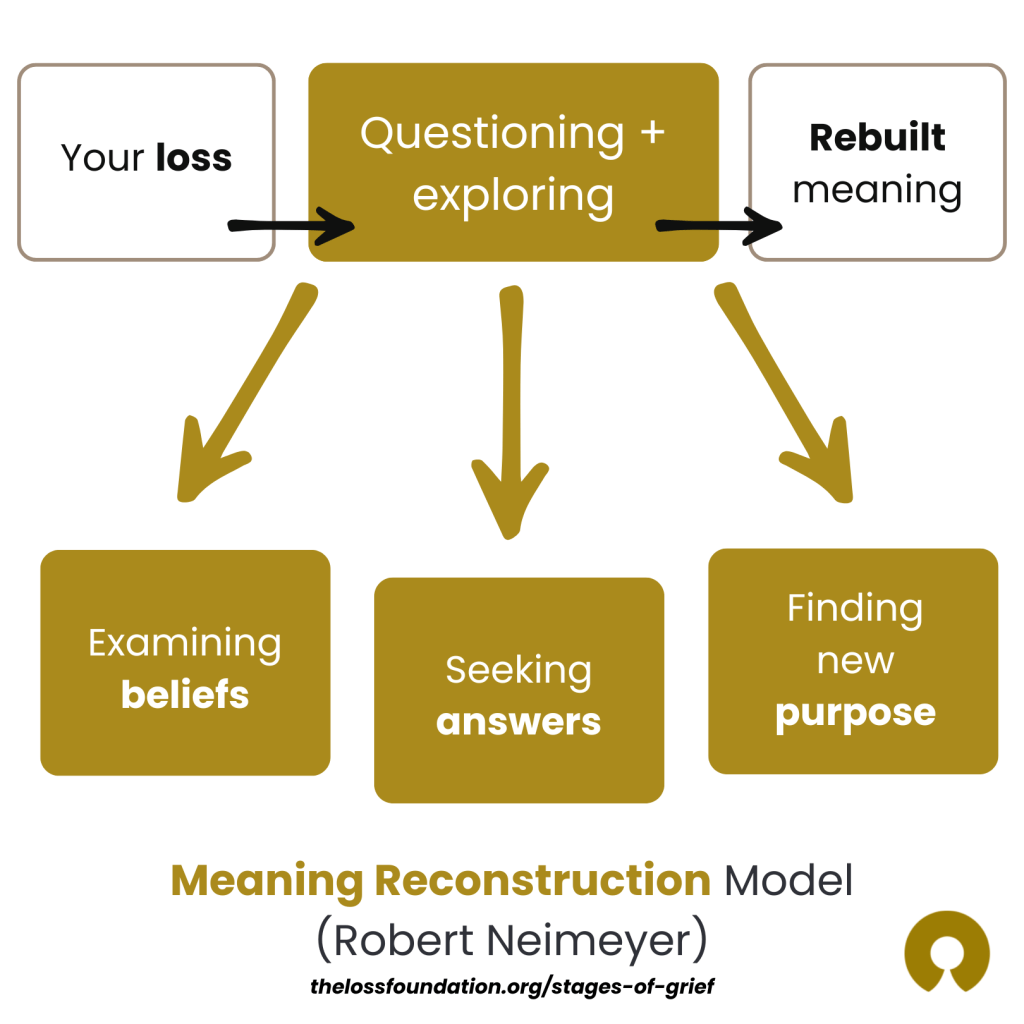
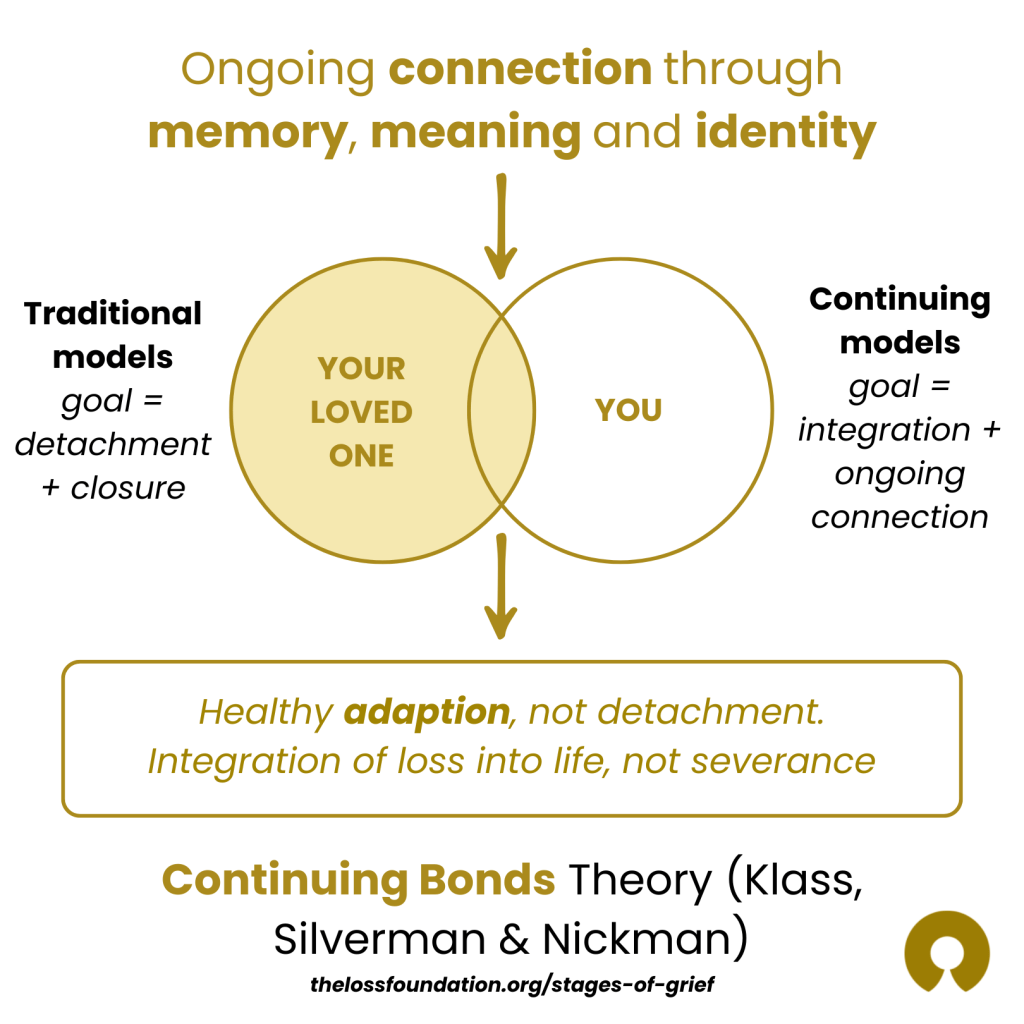
Newer theories such as the Continuing Bonds Model and Meaning Reconstruction approach grief as a process of integration, not detachment.
They suggest that healing involves finding ways to sustain an ongoing relationship with the deceased or to create meaning from the loss, rather than “letting go.”
These models allow for emotional continuity, cultural nuance, and personal growth—concepts often missing in stage-based approaches.
🧩 Why These Critiques Matter for Counsellors and Practitioners
For mental health professionals, understanding the limitations of stage-based models is crucial.
Rigid frameworks can unintentionally invalidate clients’ experiences or create unrealistic expectations about what “healthy” grief looks like.
Integrating newer models into practice allows counsellors to:
- Honour each client’s unique way of grieving
- Acknowledge cultural and spiritual dimensions of loss
- Support adaptive coping and continuing bonds
- Reduce guilt around not following the “expected” stages
At The Loss Foundation, we encourage practitioners to view grief as a dynamic process of adaptation and connection, rather than a sequence of emotional milestones.
💬 Final Thoughts
Stage-based models have played an important historical role in helping society talk about grief, but they represent only one piece of the puzzle.
Modern understandings remind us that grief is as individual as love itself – it doesn’t follow a timetable, and it doesn’t need to fit a model.
By embracing more flexible, compassionate approaches such as Continuing Bonds Theory and the Dual Process Model, we can support people not in “moving on,” but in moving forward while keeping love and memory alive.
🔗 Continue Exploring
- Continuing Bonds Theory in Grief Counselling
- Dual Process Model of Grief Worksheet
- Formulating Grief – Psychological Models Course
🧠 Explore How the ‘Stages of Grief’ Work
The “stages” of grief are one of the most familiar frameworks people turn to when trying to understand loss – yet they’re often interpreted too literally.
Our Stages of Grief guide breaks down where the model came from, what each stage represents, and how it can offer insight without suggesting grief moves in tidy steps.



Explore the page to learn:
📘 A clear explanation of what the Five Stages do – and don’t – mean
🧭 Why grief shifts over time rather than progressing in order
🌊 How emotions can rise and fall in waves
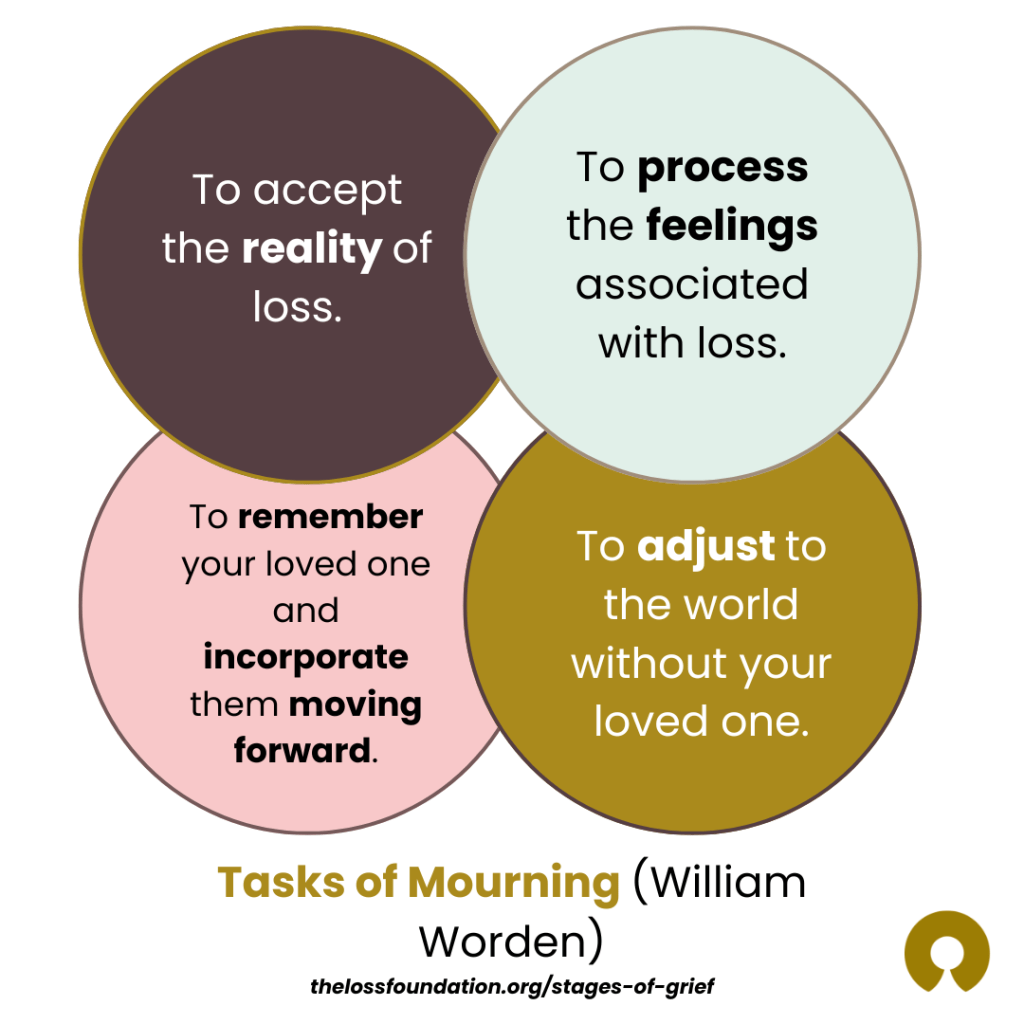
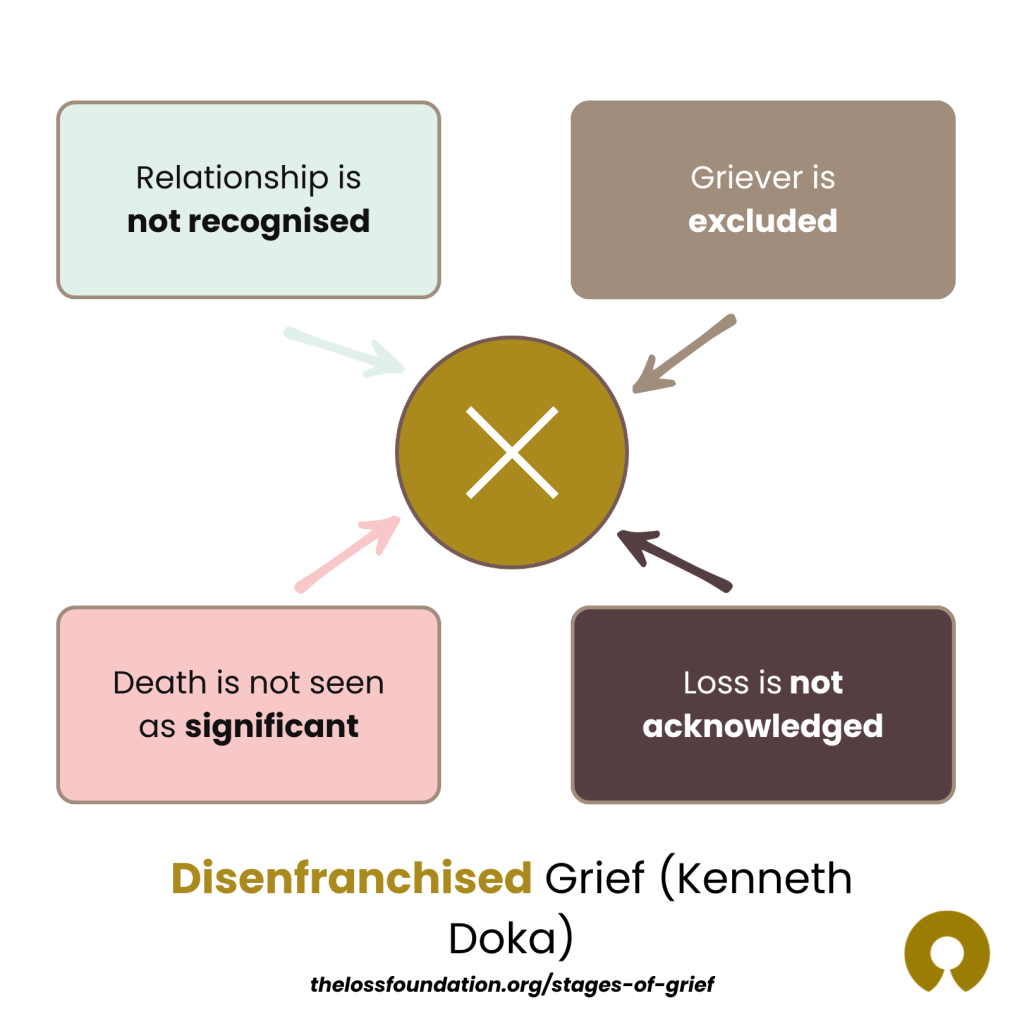
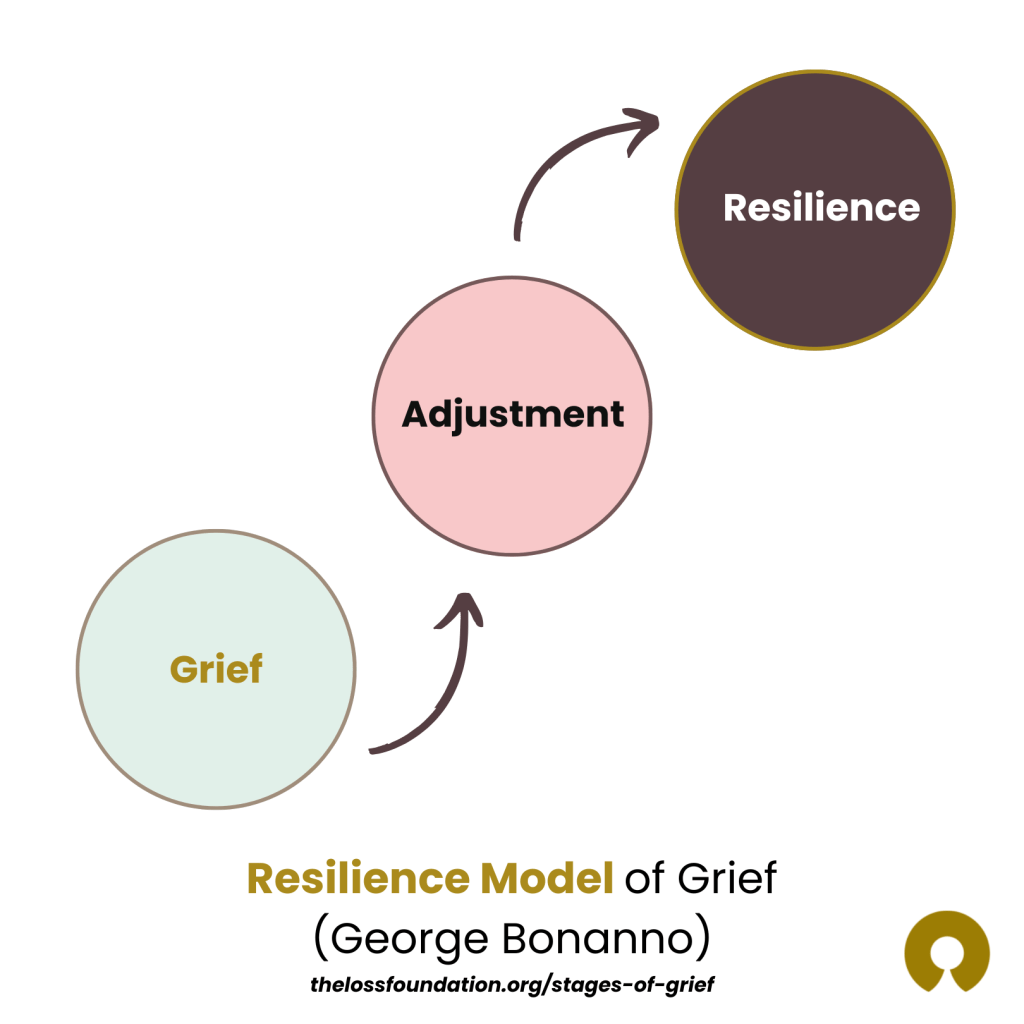
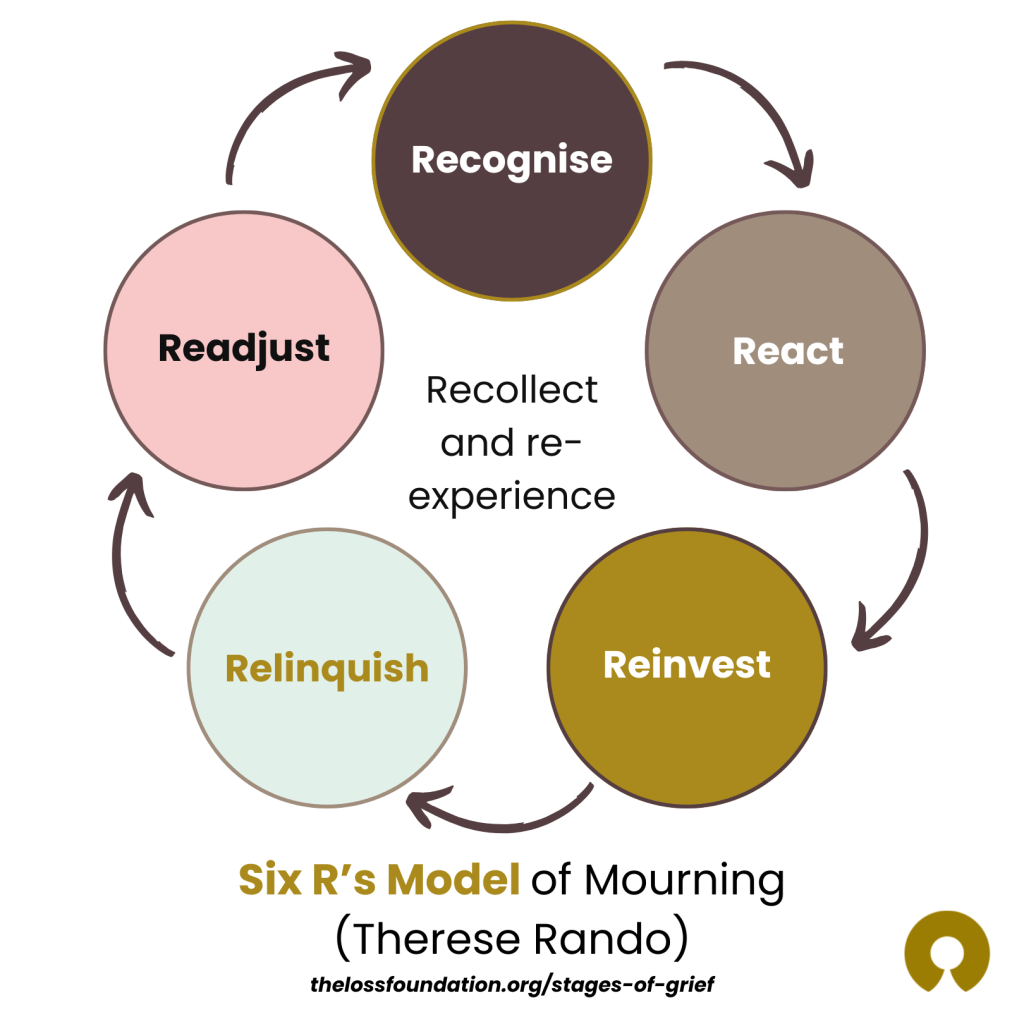
🧩 Other grief models that may resonate more deeply with your experience
Photo by Javier Allegue Barros on Unsplash