

Grief can be a powerful and overwhelming emotion that often affects not just our hearts and minds but our bodies as well. When we experience loss, the emotional burden can manifest physically, causing tension, fatigue, and even chronic pain.
The process of grieving isn’t just about acknowledging emotional pain—it’s also about releasing the physical impact that grief has on the body. If you’ve found yourself holding onto grief in your body, know that there are ways to ease that tension and restore balance. Here’s how you can start releasing grief from your body.
1. Practice Mindfulness and Deep Breathing
One of the most effective ways to release grief from your body is through mindfulness and deep breathing. Grief can cause tightness in your chest, shallow breathing, and a general sense of being “on edge.” By practicing deep, intentional breathing, you can relax your nervous system and release some of the tension that accumulates in the body.
Try the 4-7-8 breathing technique:
- Inhale slowly for 4 counts
- Hold your breath for 7 counts
- Exhale slowly for 8 counts
This helps lower your heart rate, calm the mind, and soften the physical tension that grief creates.
-
 Guided Grief Meditation$21.00
This meditation pack offers a compassionate journey through grief. With gentle guidance and reflective practices, you’ll cultivate self-compassion, connection, and gratitude while honouring the complex emotions that arise in grief.
2. Gentle Movement and Stretching
Grief can cause your muscles to tighten, particularly in areas like the neck, shoulders, and back. Moving your body gently can help release this tension. Activities like yoga, tai chi, or even simple stretching can be incredibly beneficial. Not only do these movements ease the body, but they also give you space to check in with your emotions.
Gentle yoga poses like Child’s Pose, Cat-Cow, and Forward Fold can help release grief-related tension. These movements promote the flow of energy in the body and can make you feel more grounded.
3. Physical Touch and Comfort
The power of touch can also help release emotional pain stored in the body. Whether it’s a comforting hug from a loved one or a soothing self-massage, physical touch can be incredibly healing. Some people find comfort in gentle bodywork therapies such as Reiki or massage, which can help release built-up tension.
If you’re grieving, consider taking a warm bath, using aromatherapy oils, or practicing self-massage to release tension and soothe your body. Being kind and gentle with yourself can help foster a sense of calm and comfort during tough emotional times.
🌱 Grow with our courses
Explore our courses – including Mental Health: Supporting Ourselves and the Grief Journey Workbook – on our dedicated Grief & Mental Health Training page.

4. Express Yourself Creatively
Creative expression can be a powerful way to release grief. Activities like painting, journaling, or dancing can help you channel your emotions into something physical, allowing grief to move through you rather than remain stuck. By expressing what you’re feeling, you give your body an opportunity to release pent-up emotions in a healthy way.
Write about your feelings or memories of your loved one. If words don’t feel enough, try painting, drawing, or crafting as a way to process the emotions that are hard to express verbally. Sometimes the body holds onto what the mind cannot fully articulate.
5. Dance or Move to Music
Music has long been known to have a powerful impact on both the mind and body. When you’re grieving, putting on a song that resonates with your feelings and letting yourself move to the rhythm can help release grief from your body. Whether it’s through gentle swaying or full-out dancing, moving to music lets you express your emotions physically and can help shift energy in your body.
If you’re hesitant about dancing, try just standing and allowing your body to respond to the music without judgment. Let the rhythm guide you.
6. Cry or Scream
Crying is a natural and essential part of the grieving process. Tears help release pent-up emotions and are a way for the body to detox from grief. If you’re holding on to grief, finding a safe space to let yourself cry can help release the tension that you may be carrying.
In some cases, you may even feel the urge to scream or shout, especially if your grief is intense or unresolved. Allowing yourself to release these emotions can be incredibly freeing. Find a private space where you feel comfortable, and let your body express the emotions it has been holding on to.
7. Spend Time in Nature
Nature has a calming effect on the body and mind, and spending time outdoors can help you release some of the emotional weight of grief. Whether it’s taking a walk through the park, sitting by a body of water, or hiking through the woods, the natural world can help you reconnect with yourself and ease physical tension.
The act of grounding yourself—standing barefoot on the earth, for example—can help you feel more centered and release negative energy from the body. Nature provides a safe, non-judgmental space to process your emotions.
8. Healing Touch Therapies
Sometimes, working with a trained professional who understands the emotional and physical aspects of grief can help you release grief from your body. Some people find that therapies like massage, acupuncture, or Reiki help address the physical manifestations of grief. These modalities focus on encouraging the body’s natural healing processes.
If you’re open to it, consider exploring these therapies with a certified practitioner who has experience supporting individuals through grief.
Final Thoughts: Be Gentle with Yourself
Releasing grief from the body is a process that takes time. It’s important to approach it gently, without judgment. Grief doesn’t follow a timeline, and there’s no “right” way to heal. By caring for your body through mindfulness, movement, creative expression, and touch, you can help alleviate some of the physical burden that grief may bring.
If you’re struggling with your grief, remember that there is no rush—take things at your own pace. Also, be sure to reach out to friends, family, or professionals who can support you along the way.
Healing takes time, but with patience, self-compassion, and care, you will gradually release the grief stored in your body, making space for comfort and renewal.
If you’re seeking guidance, comfort, or just a space to reflect on your grief, explore our Books for Grief collection. Our resources offer stories, insights, and support to help you navigate this difficult time with gentleness and hope.
Your Grief Journey Workbook
Grief is not a linear journey, and everyone experiences it differently. This workbook provides guidance and helpful tools for your journey.
📖 73 pages, 20 supportive activities & 8 audio meditations
🧠 Created by our Clinical Psychologists
✍️ A blend of reflection, practical exercises & coping strategies
💛 Designed for those grieving or supporting others
Donate What You Can – whether you donate nothing or something, our aim is to support you. If you donate, you’ll enable someone to attend a Support Group meeting (thank you).
-
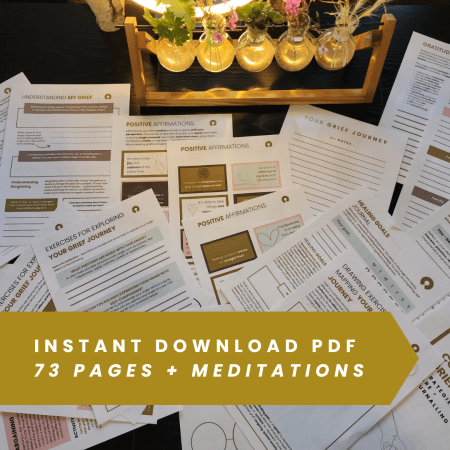 Your Grief Journey Workbook$21.00

Learn more about the stages of grief (and other models of grief)
Explore our Stages of Grief page to dive into Kübler-Ross’s five-stage model and discover other perspectives on the grieving process.