Grief, a shared human experience, touches each person uniquely, shaped by the intricacies of individual relationships. In the initial aftermath of loss, emotions can be overwhelming and all-encompassing. Daily yearning, profound emotional pain, physical reactions, persistent distracting thoughts, difficulty focusing, and lapses in memory are common responses within the landscape of grief, causing considerable distress.
Our experiences of grief tend to evolve over time, but what that looks like often depends on a whole host of factors, including our physical and mental health, how much support we have around us, the context of our loved one’s death, and more.
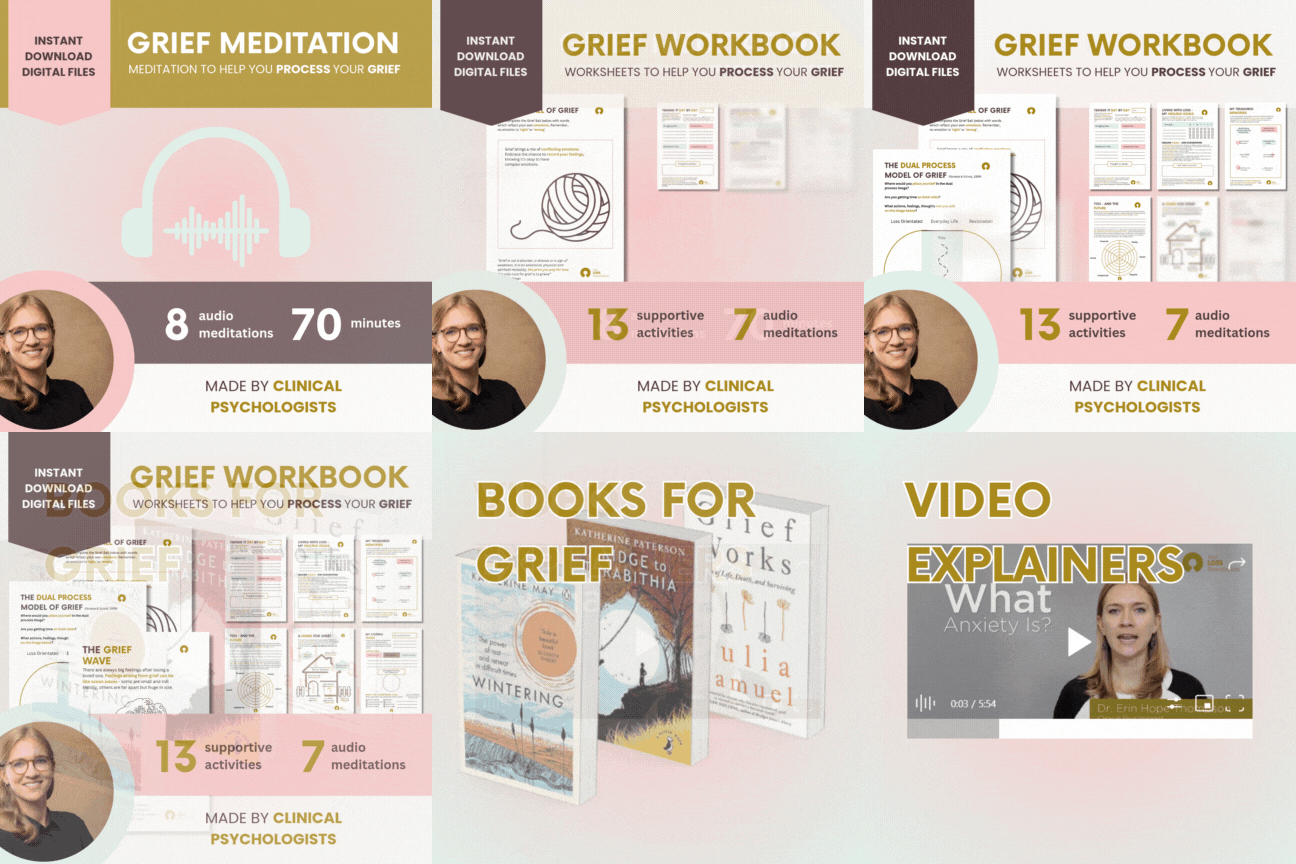
Watch our short video on the common experiences in grief and the evolution of grief over time.
If you feel you are experiencing complicated grief then more specialist support may be necessary. Contact your GP and request treatment from a clinical psychologist with experience in complicated grief.
Resources to support you
When we bottle up grief, the pressure builds in the pipes and eventually we burst. That could manifest as sleeplessness, irritability, relationship difficulties. Give yourself the time for grief outlets.