

At The Loss Foundation, we understand that grief is not a one-size-fits-all experience. Each person’s journey through loss is deeply personal, shaped by their relationship to the person they’ve lost, their circumstances, and their emotional makeup.
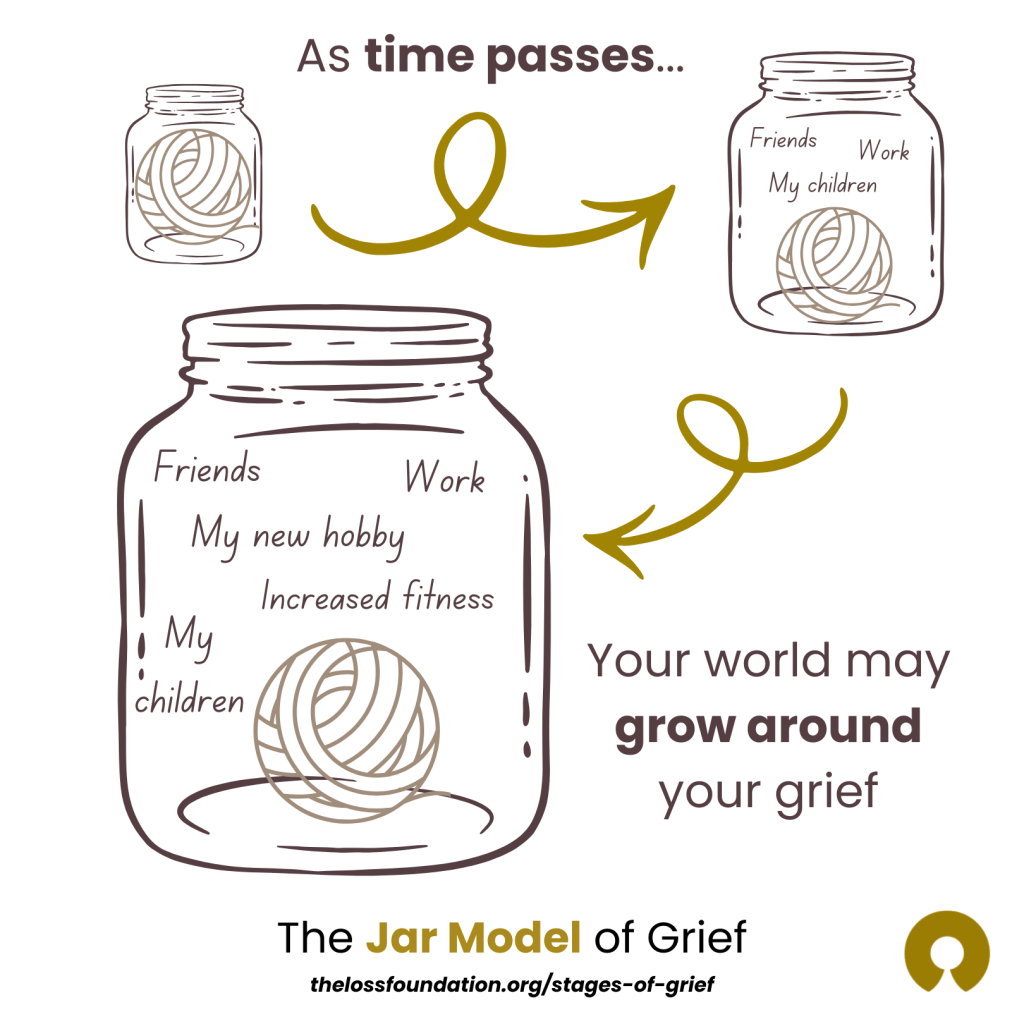
Instead of viewing loss as a linear progression through five stages of grief, we approach it as a dynamic process with periods of intensity and calm, often described as waves that ebb and flow over time.
Our perspective incorporates the concepts of acute grief and integrated grief, which offer a more flexible and compassionate framework for understanding the grieving process:
Acute Grief
This phase often follows immediately after a loss. It’s marked by intense emotions such as disbelief, yearning, and sorrow. During acute grief, feelings of disconnection, confusion, and physical exhaustion are common. The world may feel surreal as individuals come to terms with the reality of their loss.
Integrated Grief
Over time, and with support, many move into a phase of integrated grief. This doesn’t mean “moving on” or forgetting the loss, but rather finding a way to coexist with it. Integrated grief allows individuals to engage with life again, carrying the memory of their loved one forward in meaningful ways. The loss becomes a part of their story rather than the sole focus of their existence.
Phases of Grief: Acute and Integrated
Grief brings with it a complex range of emotions and challenges. It can feel overwhelming, isolating, and unpredictable.
While each person’s experience is unique, common emotions such as anger, anxiety, and sadness often arise alongside practical difficulties like troubled sleep or recurring painful memories.
Learning to navigate these experiences and finding strategies to manage them can be an essential part of the grieving process.
Why Talking and Learning Can Help
Sharing your feelings or learning about the emotional and practical challenges of grief can:
- Normalise the experience: Understanding that your emotions and struggles are a natural response to loss can help reduce feelings of isolation or self-blame.
- Provide tools for coping: Learning strategies to manage emotions and issues equips you with practical ways to handle the harder days.
- Encourage self-compassion: Acknowledging your struggles and seeking support can foster kindness toward yourself during this difficult time.
- Foster connection: Talking about grief, whether with a friend, family member, or support group, can help you feel less alone.
The “7 stages of grief” is one of several stage-based models used to describe common emotional reactions after loss. While many people find these lists reassuring, they aren’t scientifically fixed or universally experienced. At The Loss Foundation, we emphasise that grief is individual, non-linear, and personal – you don’t have to pass through set stages for your feelings to be valid.
There is no reliable way to pinpoint a “stage” of grief, because grief doesn’t unfold in a predictable order. You may feel disbelief, sadness, anger, acceptance, or relief at different moments, sometimes all in one day. Instead of finding your stage, it’s more helpful to notice how your emotions shift and use models as gentle guides rather than rules.
Further reading 👉Why Grief Isn’t Just Five Stages: Understanding How We Really Experience Loss
No single stage is universally the hardest, because grief affects everyone differently. Many people struggle most when the reality of the loss first settles in, while others find later waves of sadness or anger more painful. Grief often comes in fluctuating moments of intensity, not fixed stages, and the hardest times depend on your relationship, circumstances, and emotional needs.
Further reading 👉 When Grief Feels Hardest: Why Some Days Hurt More Than Others
Unhealthy or complicated grief may involve intense emotions that don’t ease over time, persistent difficulty functioning, feeling stuck in disbelief, or being unable to engage with daily life months after the loss. It can also show up as isolation, avoidance, or overwhelming guilt. These experiences are not a failure – but they may signal that extra support or professional guidance could help.
Grief denial often feels like emotional numbness, shock, or a sense that the loss “isn’t real yet.” You may go through the motions, struggle to accept what happened, or feel disconnected from your emotions. Denial is a common early response – a temporary way the mind protects itself while adjusting to overwhelming reality.
Further reading 👉 What Acceptance Really Means in Grief (It’s Not “Moving On”)
🧠 Explore How the ‘Stages of Grief’ Work
The “stages” of grief are one of the most familiar frameworks people turn to when trying to understand loss – yet they’re often interpreted too literally.
Our Stages of Grief guide breaks down where the model came from, what each stage represents, and how it can offer insight without suggesting grief moves in tidy steps.



Explore the page to learn:
📘 A clear explanation of what the Five Stages do – and don’t – mean
🧭 Why grief shifts over time rather than progressing in order
🌊 How emotions can rise and fall in waves
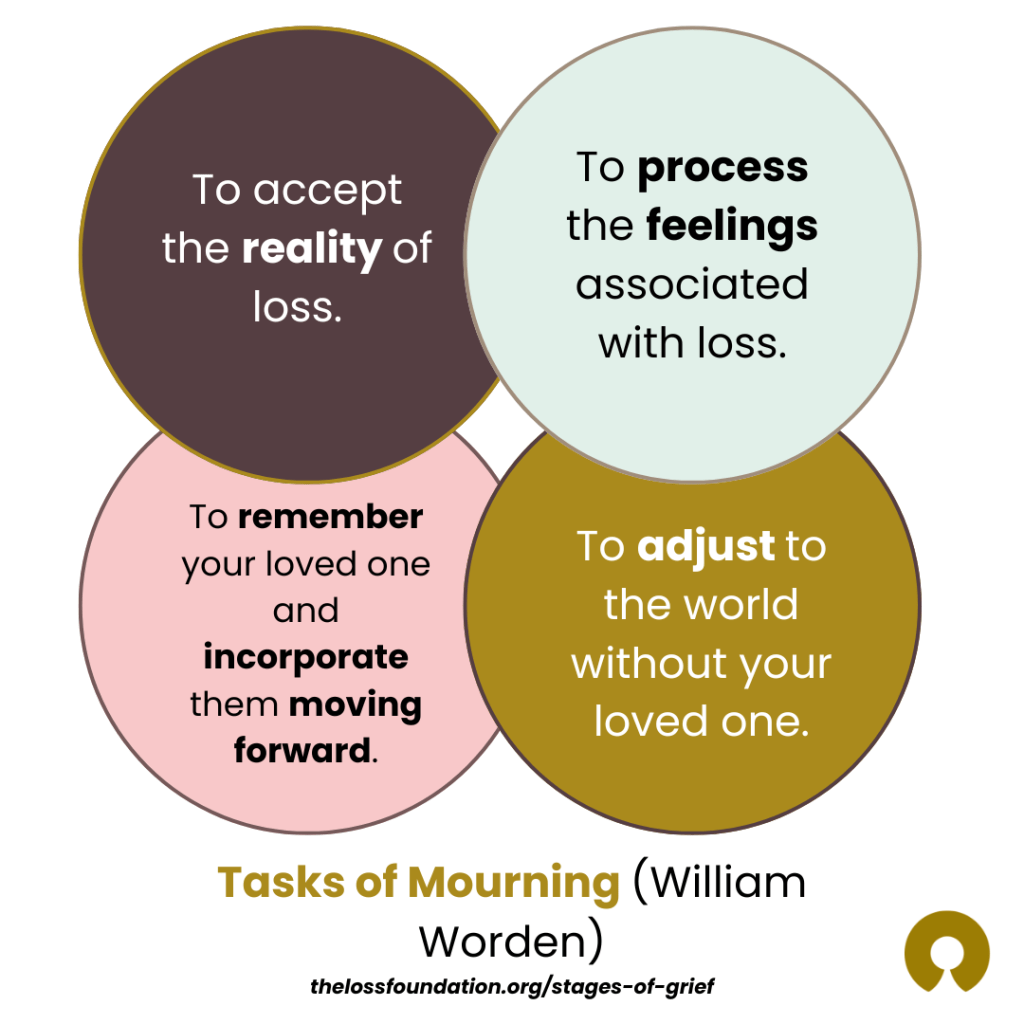
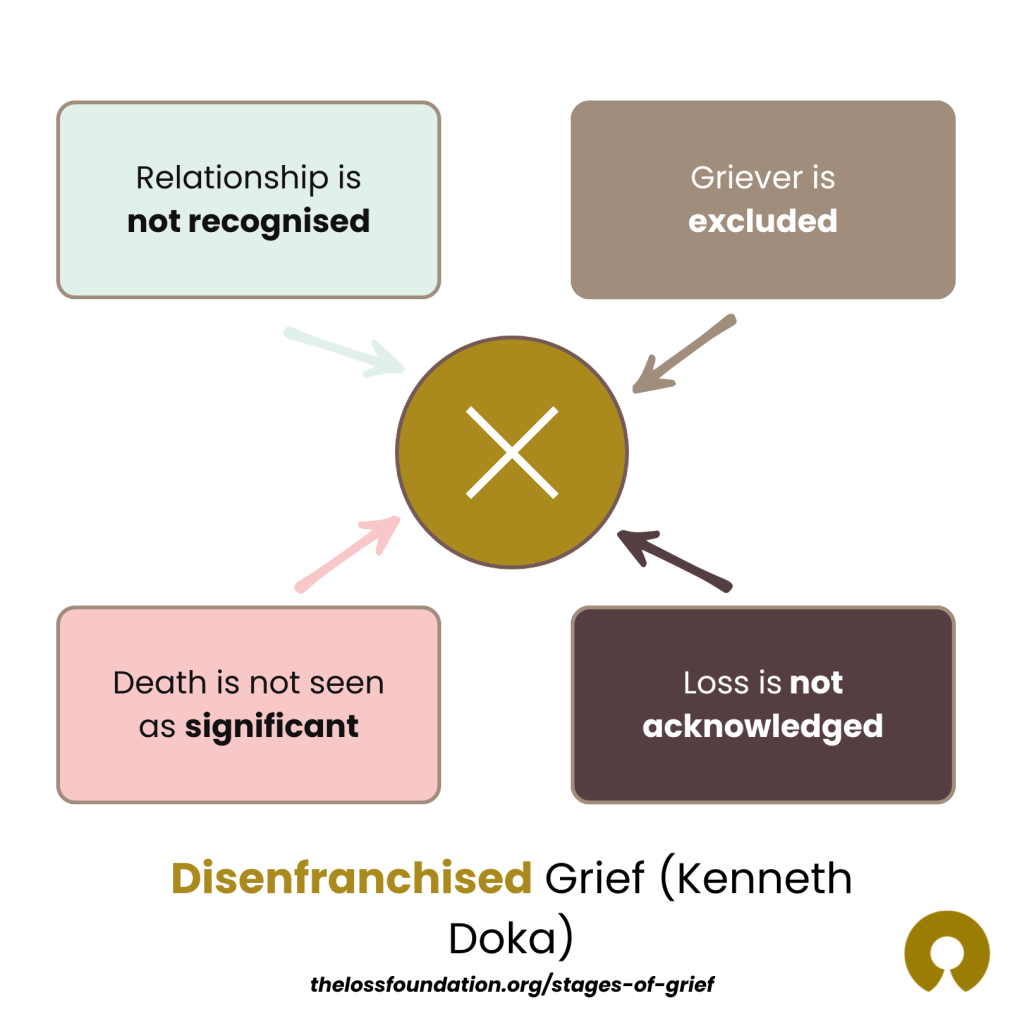
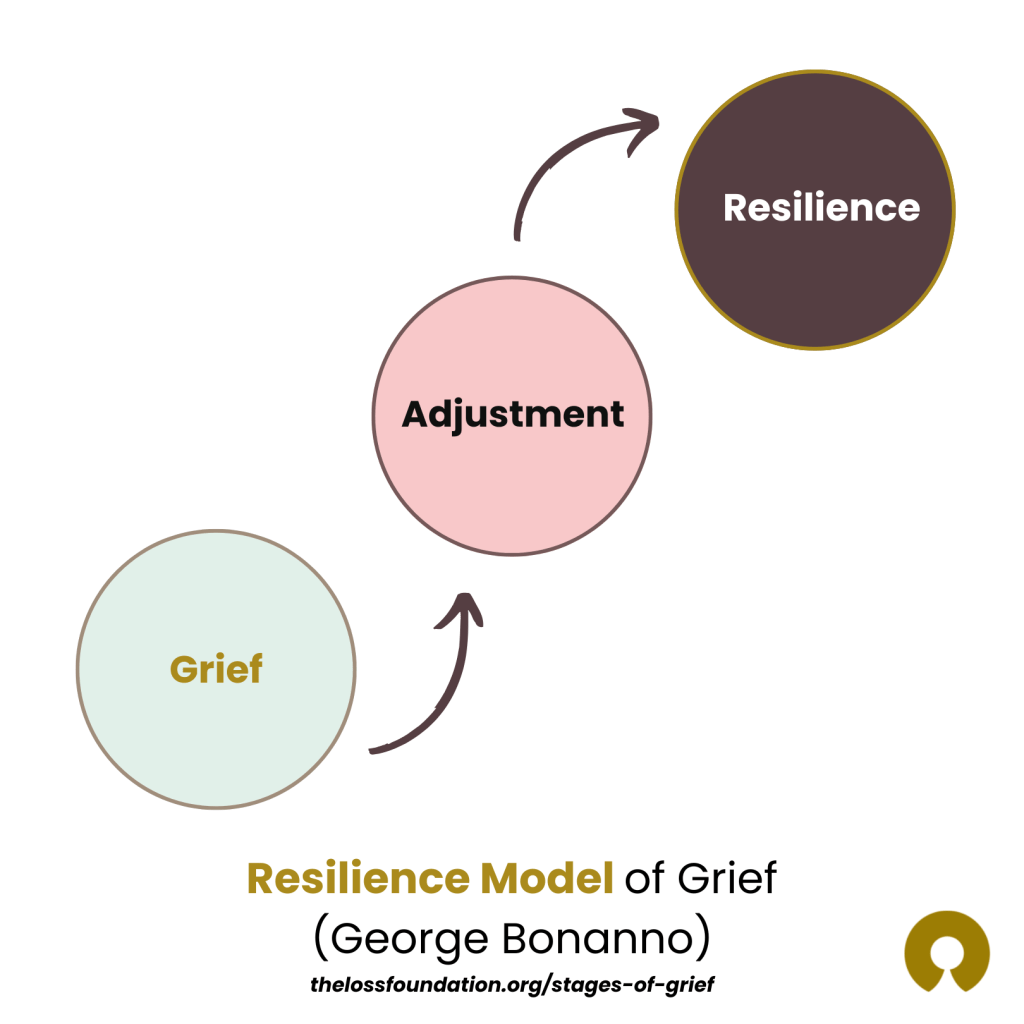
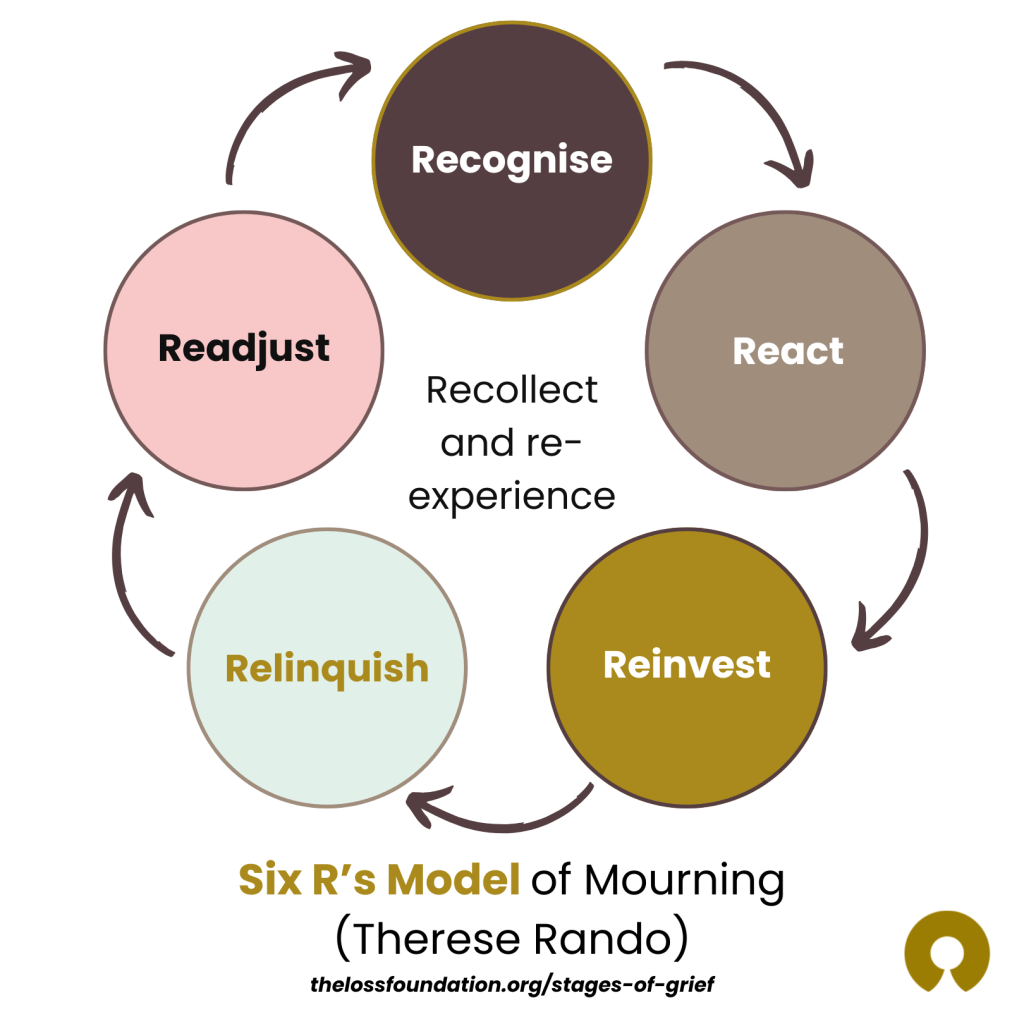
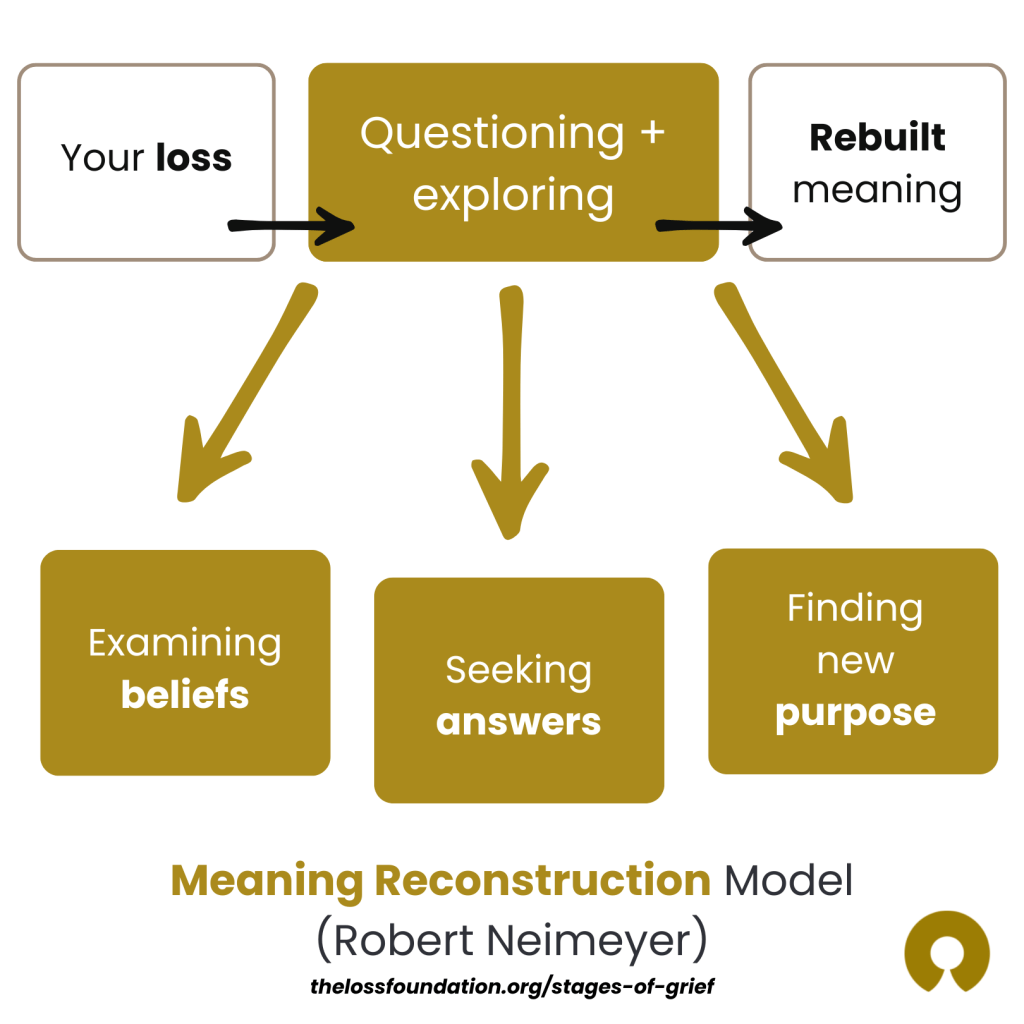
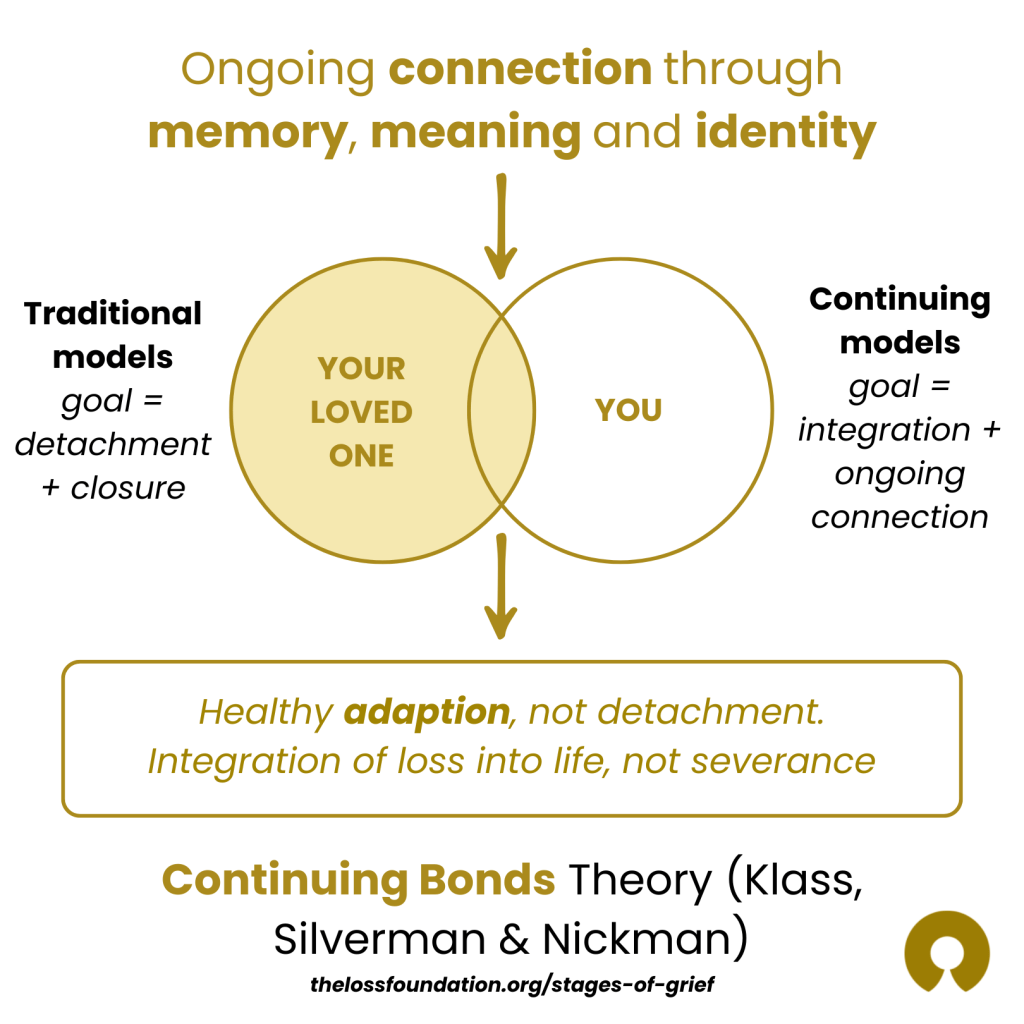
🧩 Other grief models that may resonate more deeply with your experience