
Anger in Grief
Navigating the Waves of Loss
Grief is a deeply personal and ever-changing experience, and one emotion that often surfaces along the way is anger.
It can be surprising, even unsettling, to feel anger after a loss – anger at the situation, at others, at the person who has died, or even at yourself. This feeling may not always be talked about openly, but it is a natural and valid response to loss.
At The Loss Foundation, we recognise that grief is not a one-size-fits-all journey. While anger is commonly associated with grief – often linked to the Five Stages Model – we understand that emotions do not unfold in a structured or predictable way.
Rather than viewing grief as a linear process, we see it as something fluid, shifting over time with moments of intensity and calm. Anger may appear early on or surface unexpectedly long after a loss, sometimes fading and then returning in waves.

Your Grief Journey Workbook
Grief is not a linear journey, and everyone experiences it differently. This workbook provides guidance and helpful tools for your journey.
📖 73 pages, 20 supportive activities & 8 audio meditations
🧠 Created by our Clinical Psychologists
✍️ A blend of reflection, practical exercises & coping strategies
💛 Designed for those grieving or supporting others
-
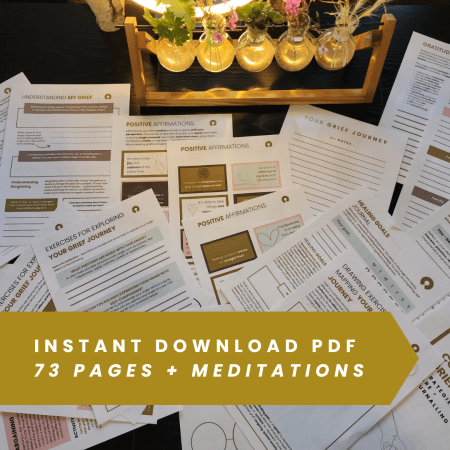 Your Grief Journey Workbook£15.00
Why Does Anger Appear in Grief?
Anger in grief often stems from a deep sense of unfairness. Losing someone we love can feel unjust, leaving us questioning Why them? Why now? This frustration may be directed at medical professionals, family, friends, or even strangers who continue with their lives as if nothing has changed.
Some may feel anger toward the person who has died – Why did they leave? Why didn’t they say goodbye?
Others may direct their anger inward, experiencing guilt or regret over things left unsaid or undone.
This anger is not something to suppress or feel ashamed of. It is a powerful emotion, often masking deeper feelings of sadness, fear, or helplessness. In many ways, anger can be a form of self-protection, a way of creating distance from the pain of loss.
“Anger is a necessary stage of the healing process. Be willing to feel your anger, even though it may seem endless. The more you truly feel it, the more it will begin to dissipate and the more you will heal.” – Elisabeth Kübler-Ross
How to Cope with Anger in Grief
Since grief is not a fixed process, there is no “right” way to experience or express anger. However, acknowledging it can be an important step in moving through grief in a way that feels healthy. Here are some approaches that may help:
- Allow yourself to feel it – Suppressing anger can make it more intense over time. Recognising and naming the emotion can help release some of its power.
- Express it in a way that feels right for you – This might mean talking to someone, writing in a journal, engaging in physical activity, or channeling it into something creative.
- Be kind to yourself – Anger does not mean you are “doing grief wrong.” It is a natural part of processing loss and does not need to be rushed or judged.
- Find safe ways to release it – Whether through talking, movement, or other outlets, finding healthy ways to process anger can help prevent it from becoming overwhelming.
- Seek support – Grief can feel isolating, but you do not have to navigate it alone. Speaking with others who understand, whether through a support group, a friend, or a professional, can make a difference.
Anger as Part of the Grief Journey
Like all emotions in grief, anger does not follow a set timeline. It may appear alongside sadness, guilt, or even moments of relief. Some may feel it strongly; others may not experience it at all. What matters is understanding that however it shows up for you, it is a valid and natural part of the grieving process.
At The Loss Foundation, we believe that grief is not something to be “worked through” in a prescribed order—it is a deeply individual journey, shaped by our relationships and personal experiences. Anger, like all emotions in grief, is part of the wave-like nature of loss. Some days may feel calmer; others may feel turbulent. No matter where you are in your journey, know that your emotions are valid, and you are not alone.
Our approach to the five stages of grief
Watch the video here to learn more about our approach to grief and how we support those navigating loss.

Discover more about the stages of grief and other ways to understand grief
Visit our Stages of Grief page to explore Kübler-Ross’s five-stage model and other approaches to understanding the grieving process.
Anger is traditionally the second stage in the Five Stages of Grief model, though grief rarely follows this order. Anger can appear at any time – early, late, or repeatedly – as part of a natural emotional response to loss. It often reflects the pain, disruption, or sense of injustice someone feels after a bereavement.
People often feel angry while grieving because loss can trigger pain, fear, guilt, powerlessness, and a sense that the world has become unfair. Anger can be a protective response when emotions feel too overwhelming. It’s a normal part of grief and doesn’t mean something is wrong – it’s simply one way the body and mind cope with distress.
Someone experiencing anger during grief may show irritability, frustration, emotional outbursts, or impatience. They might withdraw, feel easily overwhelmed, or direct anger toward themselves, others, or the situation. These reactions are common and often reflect underlying pain or confusion rather than true hostility. Anger in grief is a natural human response to profound loss.
Healthy ways to release anger from grief include talking about your feelings, writing them down, engaging in physical activity, practising grounding techniques, or seeking therapeutic support. Expressing emotions safely – rather than suppressing them – can reduce intensity over time. Compassionate support, routines, and gentle self-care also help you process anger in a healthier, more manageable way.
Anger often hides deeper emotions such as sadness, fear, helplessness, guilt, or hurt. In grief, anger can be a protective layer that shields you from overwhelming pain. Understanding what sits beneath the anger can make it easier to process and express your emotions in healthier ways.