
Bargaining
Navigating the Desire to Reverse or Undo Loss
The bargaining stage of grief is often characterised by thoughts or attempts to “negotiate” with the loss in some way.
People may have a sense of desperation, thinking things like, “If I had done this differently, maybe they would still be here,” or “I promise I’ll be a better person if only I can have one more day with them.” Bargaining can take many forms, from internal dialogues to conversations with a higher power, but the common thread is the desire to reverse or undo the loss, even though it is out of one’s control.
However, it’s important to note that grief does not unfold in a linear manner, and not everyone will experience bargaining, or similar emotions. There is no “right” or “wrong” way to grieve, and the stages – including bargaining – are not set in stone.

Embracing the Unique and Non-Linear Nature of Grief
Many people feel pressure to conform to specific stages, as described in traditional models of grief. However, it’s vital to recognise that grief is a deeply personal experience. People may experience a range of emotions at different times and in different orders, or they may not identify with the concept of stages at all.
Tips for Navigating ‘Bargaining’
“Do you ever find yourself feeling overwhelmed by grief, wondering if only things had turned out differently? Have you had thoughts like, ‘What if I had done more, or acted sooner?’“
Acknowledge Your Feelings
Recognise that thoughts like “If only I had done this differently” or “I would change everything if I could have one more chance” are natural parts of the grieving process. Allow yourself to feel these emotions without judgment. They are expressions of your deep desire to reverse the loss.
Shift from “What Ifs” to “What Now?
While it’s easy to get stuck in the cycle of “what could have been,” try to gently guide your focus toward the present and future. Ask yourself, “What can I do right now to honour my loved one?” Focusing on meaningful actions can help ground you in the present moment.
Self-Compassion
Be kind to yourself. Grief often brings up feelings of guilt or regret, but remember, no one can change the past. Practicing self-compassion can help you move through the bargaining phase without adding unnecessary pressure to yourself.
Express Your Emotions
Writing about your feelings or talking to someone you trust can help release the emotional weight that comes with bargaining. Sometimes, putting those “what if” thoughts into words helps you process them more effectively.
“Bargaining often takes the form of a silent wish, ‘If I could only have one more chance to do this over.’ We may bargain with the hope that something can be done to reverse the loss.” – Elisabeth Kübler-Ross, On Death and Dying
Seeking Support
If bargaining becomes overwhelming, talking to a therapist or grief counsellor can offer you a safe space to explore these emotions. Professional support can help you make sense of your feelings and find healthier coping mechanisms.
Celebrate small moments
Even in moments of bargaining, you may find brief periods of peace or joy. Celebrate these moments. They are reminders that while grief is ongoing, there is still room for new experiences and growth.
Your Grief Journey Workbook
Grief is not a linear journey, and everyone experiences it differently. This workbook provides guidance and helpful tools for your journey.
📖 73 pages, 20 supportive activities & 8 audio meditations
🧠 Created by our Clinical Psychologists
✍️ A blend of reflection, practical exercises & coping strategies
💛 Designed for those grieving or supporting others
-
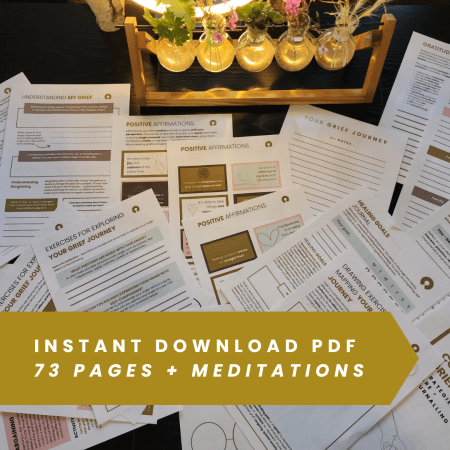 Your Grief Journey Workbook$21.00
Our approach to the five stages of grief
Watch the video here to learn more about our approach to grief and how we support those navigating loss.

Read more about the ‘Stages of Grief’ and other ways of looking at loss
Our ‘Stages of Grief’ page provides a comprehensive overview of the grieving process, focusing on the five stages of grief introduced by Elisabeth Kübler-Ross, and offers a deeper understanding of how grief can be experienced. You will learn about the origins of the Kubler-Ross Stages of Grief, including their historical context and how they’ve shaped the way we think about loss.
In addition to the five stages, the page also explores additional stage models of grief that have emerged over time, giving you a broader perspective on different frameworks that people use to understand their emotional responses during grief.
Bargaining is a stage of grief where people try to make sense of their loss by imagining “what if” or “if only” scenarios. It often involves wishing for a different outcome or hoping that a change in behaviour could undo what happened. Bargaining is a natural response to the overwhelm of grief and a way the mind seeks control during distress.
Common examples of bargaining include thoughts like “If only I had done more,” “What if we’d found help sooner?” or “I’d give anything for one more day.” These internal negotiations reflect a deep wish to change the outcome and are a normal part of processing shock, guilt, or longing after a major loss.
Bargaining often sounds like self-questioning or internal negotiation: “Could I have prevented this?”, “Maybe if I had been there…”, or “I promise I’ll be better if things can go back to how they were.” These thoughts are expressions of pain, guilt, or yearning, and they show how the mind searches for answers after a loss.
Bargaining can be both protective and painful. It’s a normal way the mind tries to make sense of overwhelming loss and regain a sense of control. While it may bring temporary relief, bargaining can become difficult if it leads to long-term guilt or self-blame. Support, compassion, and grounding strategies can help you move through these thoughts safely.
There is no set duration for the bargaining stage of grief. Some people experience brief moments of bargaining, while others revisit these thoughts many times over months or years. Grief isn’t linear, and stages don’t unfold in order. The length of bargaining depends on your relationship, circumstances, coping style, and emotional support.