
Depression
Navigating the Weight of Loss
Depression in grief is often characterised by feelings of deep sadness, despair, and isolation.
During this phase, people may feel overwhelmed by the weight of the loss, leading to emotional numbness or periods of intense sorrow. It’s not uncommon to experience a sense of emptiness, hopelessness, and a lack of motivation to engage in daily activities. This stage can feel as though the grief is all-consuming, and it’s often marked by a profound sense of yearning for what’s been lost.
However, it’s important to understand that depression in grief is different from clinical depression.
While the emotions may feel similar, the source of the sadness is directly tied to the loss, and the grief may ebb and flow. This is part of the natural process of mourning and doesn’t necessarily require medical intervention unless the depression becomes unmanageable or persistent.

Grief is Not Linear
Grief doesn’t follow a predictable timeline, and is completely unique to each individual. Some may feel overwhelmed by sadness early on, while others may experience it months or even years after the loss.
Criticisms of the Stage-Based Model
While depression is commonly included in traditional grief models, it’s important to note that some critics argue these models oversimplify the grieving process.
Grief doesn’t always occur in neat, distinct stages, and many people may not experience ‘depression‘ in the way it is typically defined in grief theory.
Instead, emotions can blend together or fluctuate over time, and a person may not experience every stage, including depression. The emphasis on stages may also make people feel pressured to “move on” or “get through” certain emotions, when in reality, grief is a process that requires time and space to heal.
“Bargaining often takes the form of a silent wish, ‘If I could only have one more chance to do this over.’ We may bargain with the hope that something can be done to reverse the loss.” – Elisabeth Kübler-Ross, On Death and Dying
Navigating Depression in Grief
If you find yourself in the depression stage of grief, it’s important to allow yourself to feel the sadness without guilt or shame. Here are a few tips for navigating this difficult phase:
- Allow Yourself to Grieve
Don’t suppress your feelings or force yourself to “move on.” Grieving is essential to healing, and sadness is a natural part of the process. Give yourself permission to feel what you need to feel, without judgment. - Reach Out for Support
Grief can feel isolating, but you don’t have to go through it alone. Lean on trusted friends, family, or support groups who can offer understanding and comfort. Talking about your feelings can help ease the burden of sadness. You may want to explore our Online Support Services if your loved one died from cancer, or other organisations that can support you in grief. - Practice Self-Compassion
Be gentle with yourself. It’s normal to feel drained, unmotivated, or overwhelmed by grief. Understand that healing takes time and that there is no set timeline for “getting better.” Give yourself the space you need to heal at your own pace. - Take Small Steps
During the depression stage, it can feel difficult to engage in daily activities. Try to take small, manageable steps – whether it’s getting out of bed, going for a short walk, or taking care of a basic task. Small acts of self-care can help you feel more grounded and remind you that progress is possible, even when it feels slow.
Seek Professional Help If Needed
If the feelings of sadness become unmanageable, or if you feel stuck in a prolonged period of depression, it may be helpful to seek support from a therapist or counsellor who specialises in grief. Professional help can provide you with strategies to cope with intense emotions and support you in processing your grief.
Watch the video here to learn more about depression in grief.
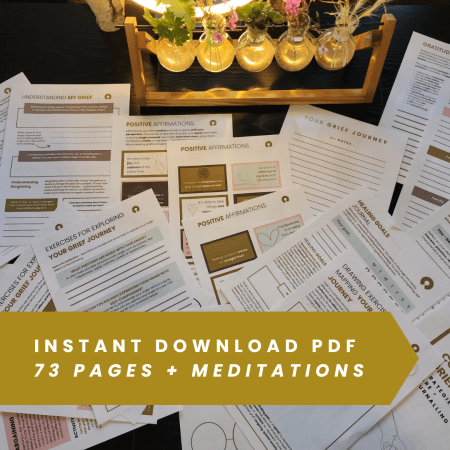
Your Grief Journey Workbook
Grief is not a linear journey, and everyone experiences it differently. This workbook provides guidance and helpful tools for your journey.
📖 73 pages, 20 supportive activities & 8 audio meditations
🧠 Created by our Clinical Psychologists
✍️ A blend of reflection, practical exercises & coping strategies
💛 Designed for those grieving or supporting others
-
 Your Grief Journey Workbook$21.00
Our approach to the five stages of grief
Watch the video here to learn more about our approach to grief and how we support those navigating loss.
Read more about the ‘Stages of Grief’ and other ways of looking at loss
Our ‘Stages of Grief’ page provides a comprehensive overview of the grieving process, focusing on the five stages of grief introduced by Elisabeth Kübler-Ross, and offers a deeper understanding of how grief can be experienced. You will learn about the origins of the Kubler-Ross Stages of Grief, including their historical context and how they’ve shaped the way we think about loss.
In addition to the five stages, the page also explores additional stage models of grief that have emerged over time, giving you a broader perspective on different frameworks that people use to understand their emotional responses during grief.
In the five stages of grief, “depression” refers to the deep sadness, withdrawal, or emotional heaviness that often follows a major loss. It reflects the reality of what has happened, not necessarily clinical depression. This stage describes a natural response to grief – a period of sorrow, reflection, and emotional fatigue that many people experience when adjusting to life without their loved one.
Grief and depression can feel similar, but they’re not the same. Grief usually involves waves of sadness mixed with moments of connection or clarity, while clinical depression is more persistent, pervasive, and affects daily functioning. If sadness feels constant, numbing, hopeless, or interferes with basic tasks, extra support may help – but grief itself is a normal response to loss.
During the depression stage of grief, a person may feel very tired, withdrawn, tearful, or emotionally numb. They might lose interest in usual activities, struggle to concentrate, or feel overwhelmed by sadness. These reactions are common and reflect the weight of the loss, not a personal failing. Many people move in and out of this stage over time.
There is no fixed timeline for depression in grief. For some, deep sadness eases gradually over weeks or months; for others, it returns in waves over a longer period. Grief is not linear, and the duration depends on the relationship, circumstances, support, and emotional resources. If low mood feels unmanageable or persistent, professional support can be helpful.
Helpful approaches for grief-related depression include talking with supportive people, expressing emotions through writing or creativity, gentle physical activity, grounding routines, and seeking grief-focused therapy. Peer support groups can also reduce isolation. Compassionate self-care – rest, nourishment, and reduced pressure – can make sadness more manageable as you adjust to life after loss.