

“Acceptance” is often described as the final stage of grief – a point you eventually reach when the pain fades. But at The Loss Foundation, we understand that acceptance isn’t an end point, and it doesn’t mean “moving on” or leaving your loved one behind.
Instead, it’s about learning to live with loss – carrying love and memory in a new way.
💭 What Acceptance Actually Looks Like
Acceptance isn’t about being okay with what happened. It’s about acknowledging that the loss is real and finding ways to exist in a changed world.
You might recognise moments of acceptance when you:
- Speak about your loved one without the same intensity of pain
- Re-engage with work, relationships, or hobbies
- Feel able to plan for the future while still honouring the past
Acceptance can arrive quietly – sometimes in reflection, sometimes in routine.
🌊 Why “Moving On” Misses the Point
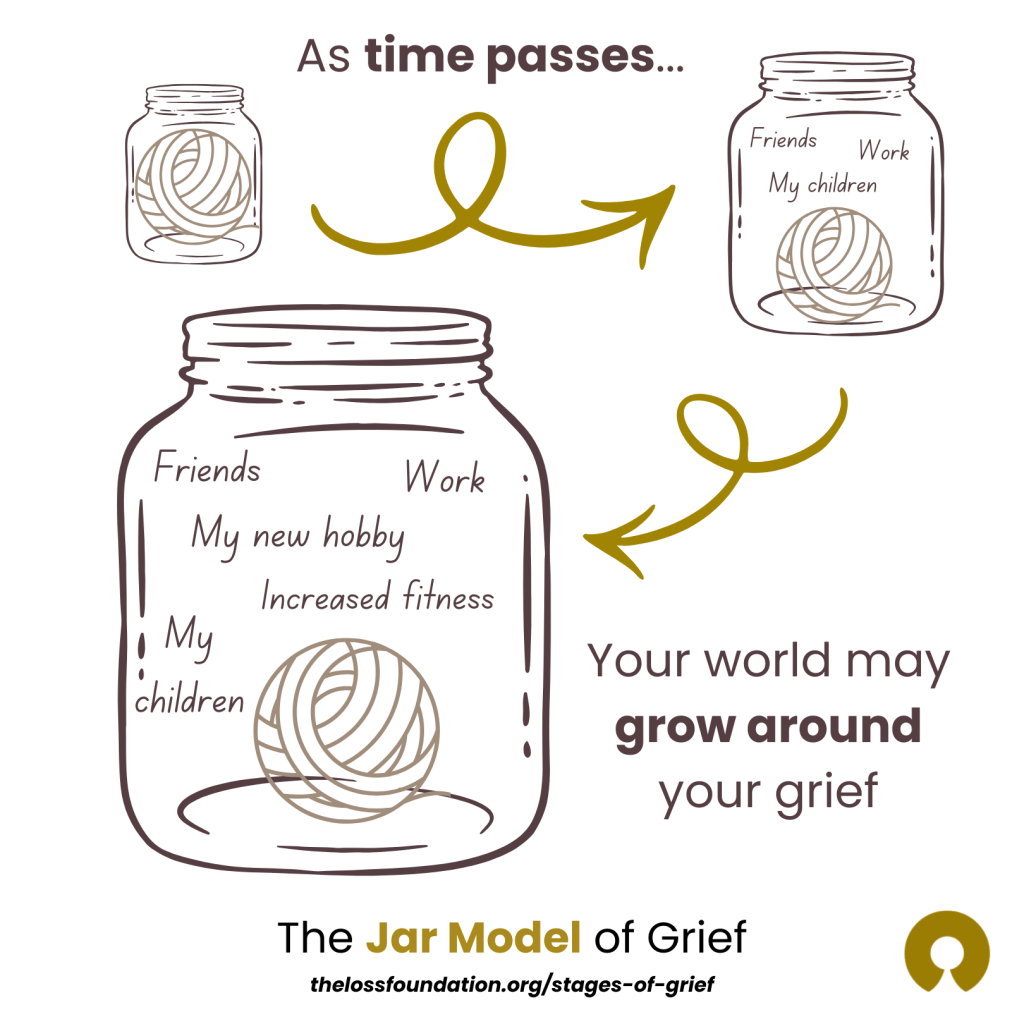
The idea of “moving on” can make people feel guilty, as if healing means forgetting. In truth, most people move forward with their loss, not from it.
You can still love, remember, and even ache for someone while finding joy in new experiences. Acceptance and grief can – and often do – coexist.
💛 How to Support the Process of Grieving
- Be patient with yourself. Grief and processing your loss may unfold over time, not on a schedule.
- Stay connected. Talking about your loved one keeps their memory alive.
- Allow mixed emotions. Feeling both sadness and peace is a natural part of grief.
- Seek support when needed. Counselling or group support can help when grief feels stuck or isolating.
📖 Further Reading
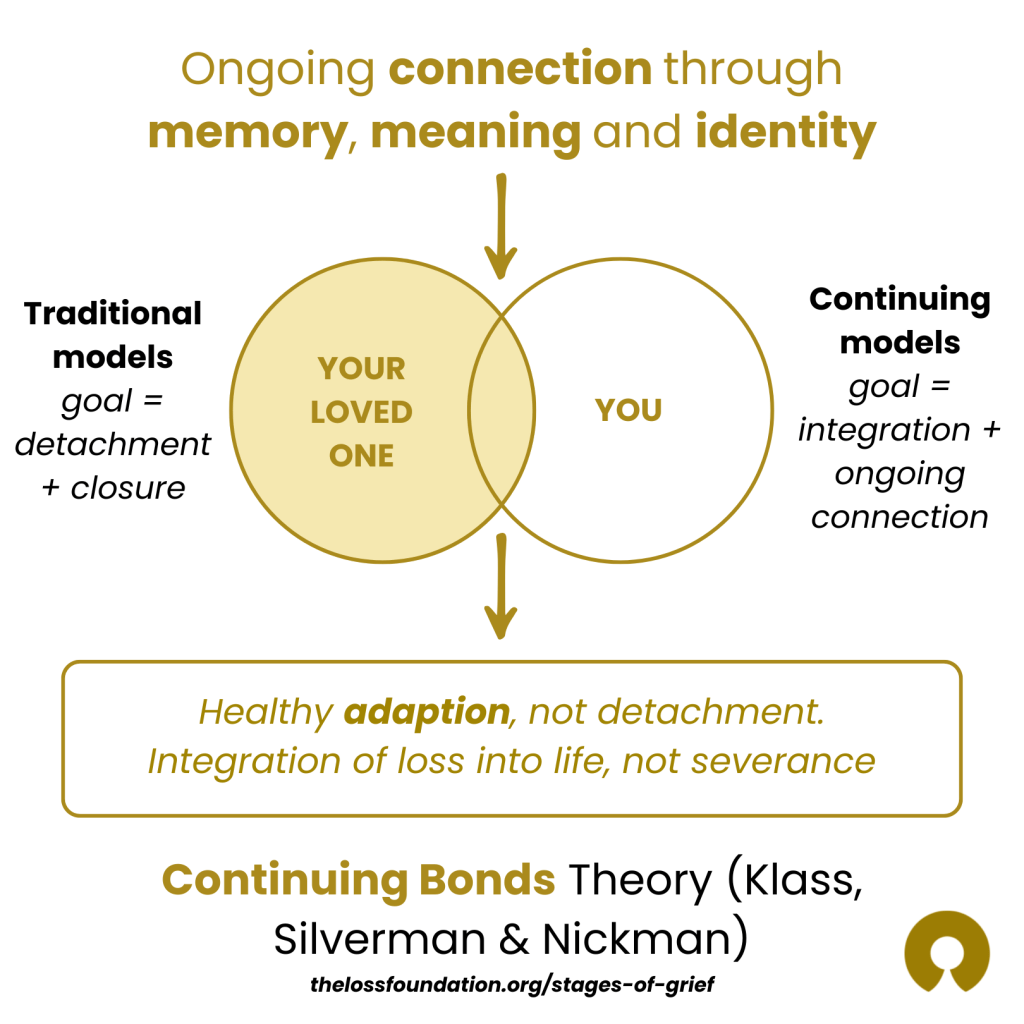
- Continuing Bonds Theory – Maintaining healthy connections after loss
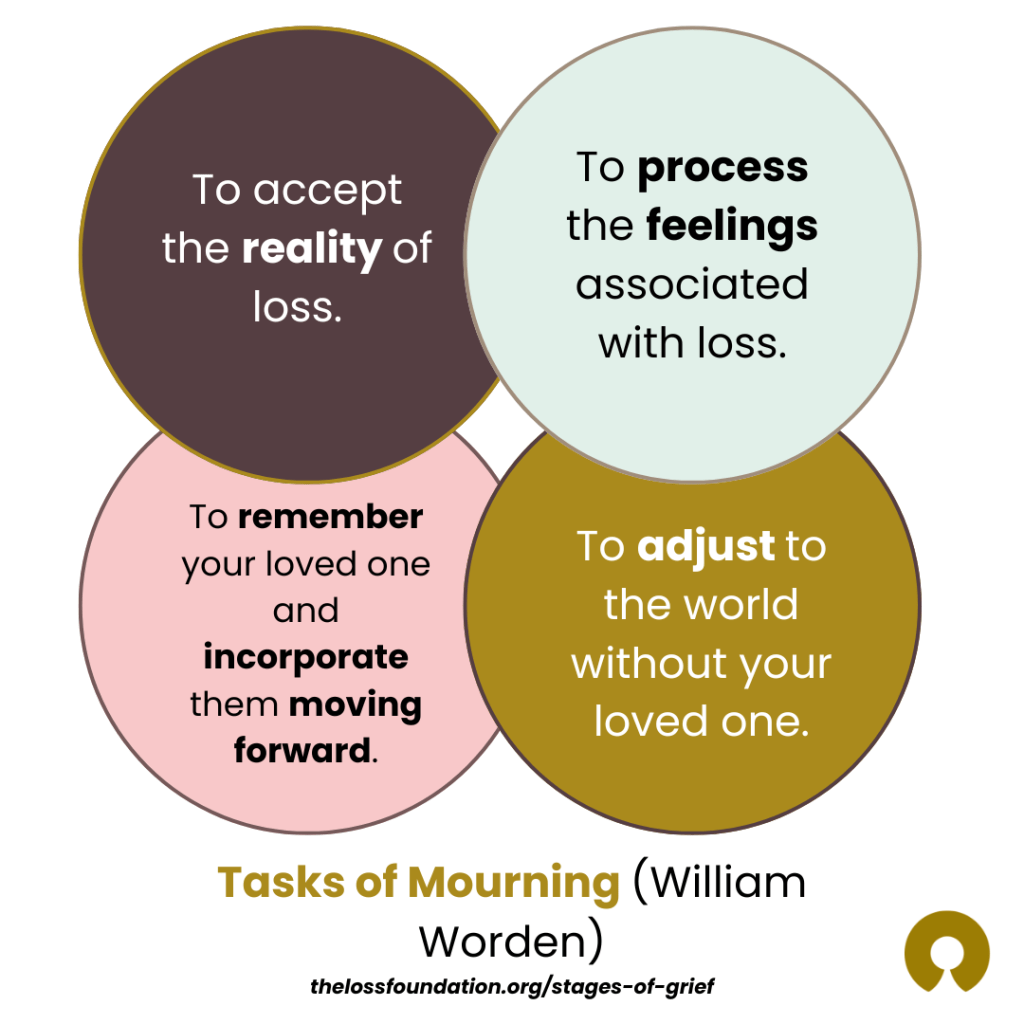
- Tasks of Mourning – Adjusting to a world changed by grief
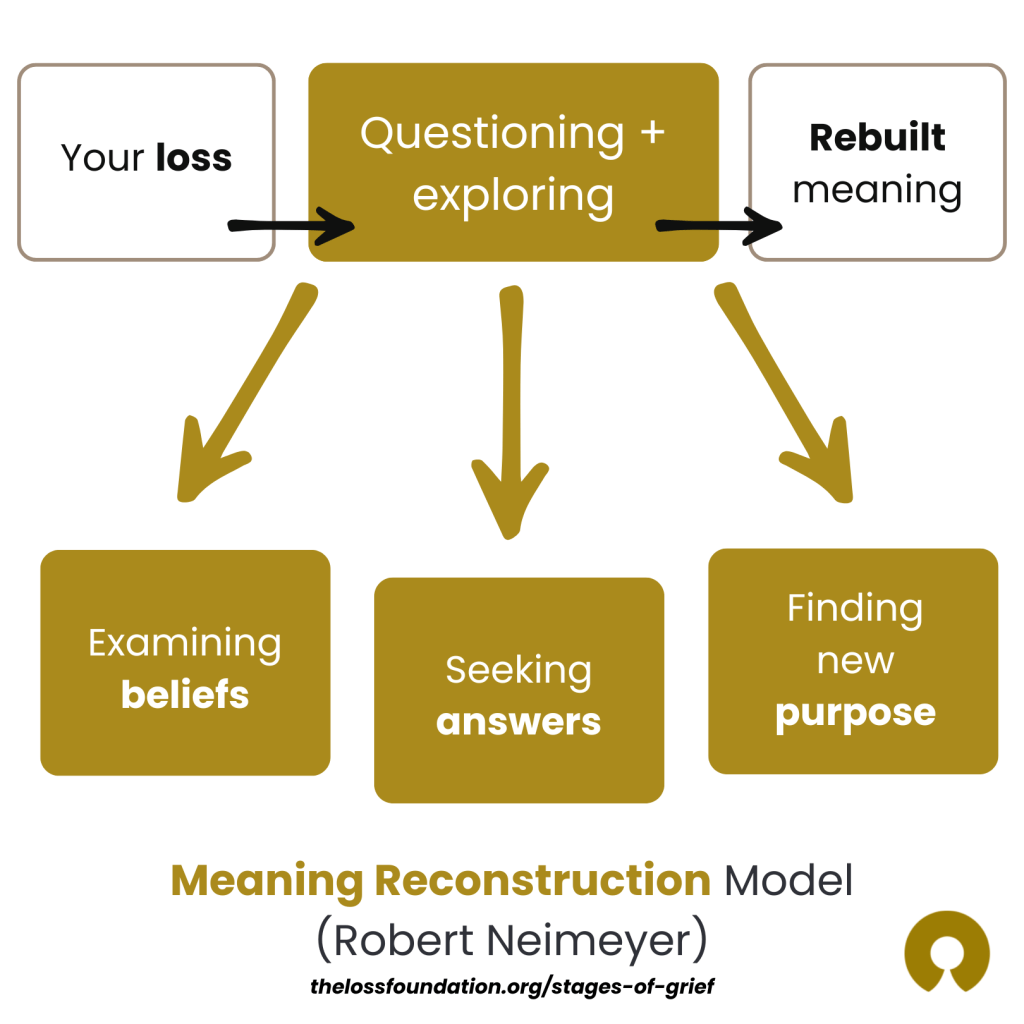
- Meaning Reconstruction Model – Finding purpose after loss
🩶 Closing Thought
Acceptance doesn’t erase grief – but it can reshape it. Over time, you may notice more space for living alongside your loss, rather than inside it. You might want to think of acceptance as making room for both love and absence, allowing them to sit together as part of your ongoing life.
🧠 Explore How the ‘Stages of Grief’ Work
The “stages” of grief are one of the most familiar frameworks people turn to when trying to understand loss – yet they’re often interpreted too literally.
Our Stages of Grief guide breaks down where the model came from, what each stage represents, and how it can offer insight without suggesting grief moves in tidy steps.



Explore the page to learn:
📘 A clear explanation of what the Five Stages do – and don’t – mean
🧭 Why grief shifts over time rather than progressing in order
🌊 How emotions can rise and fall in waves
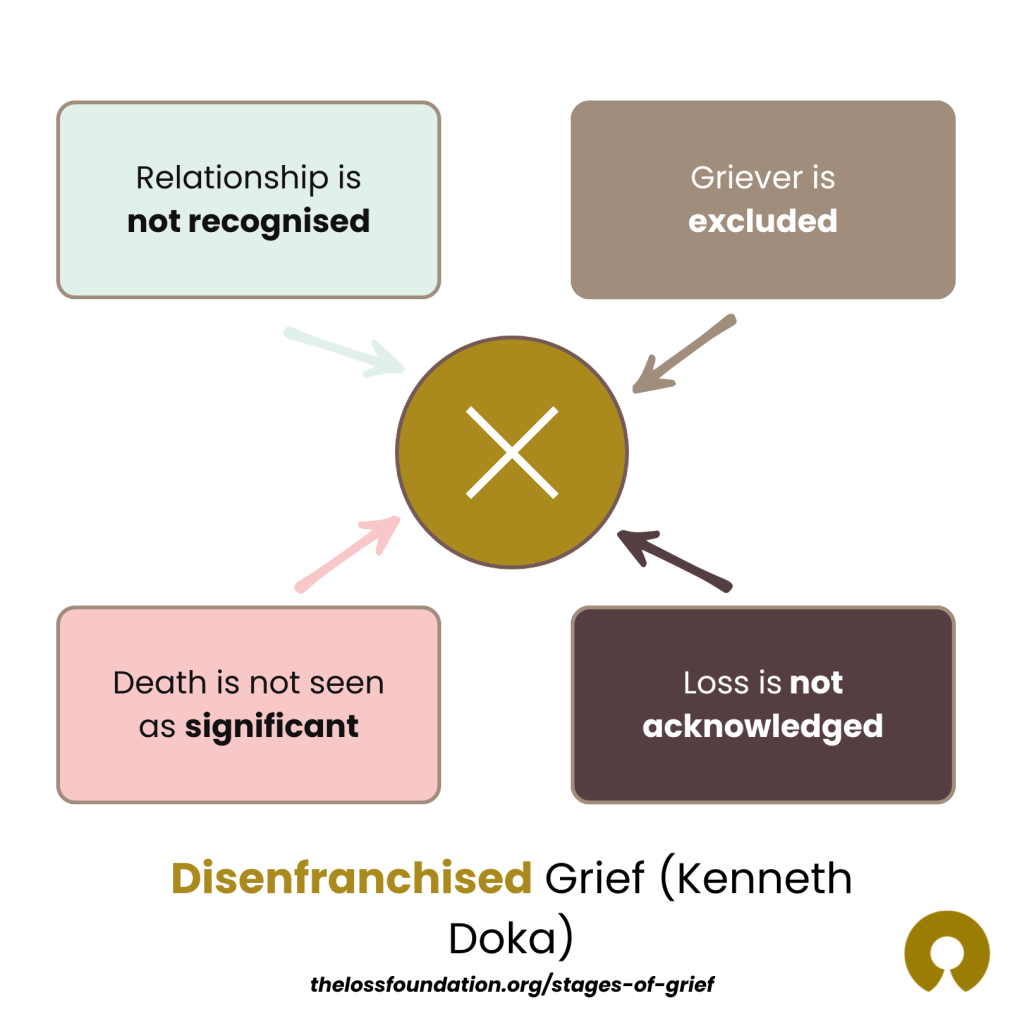
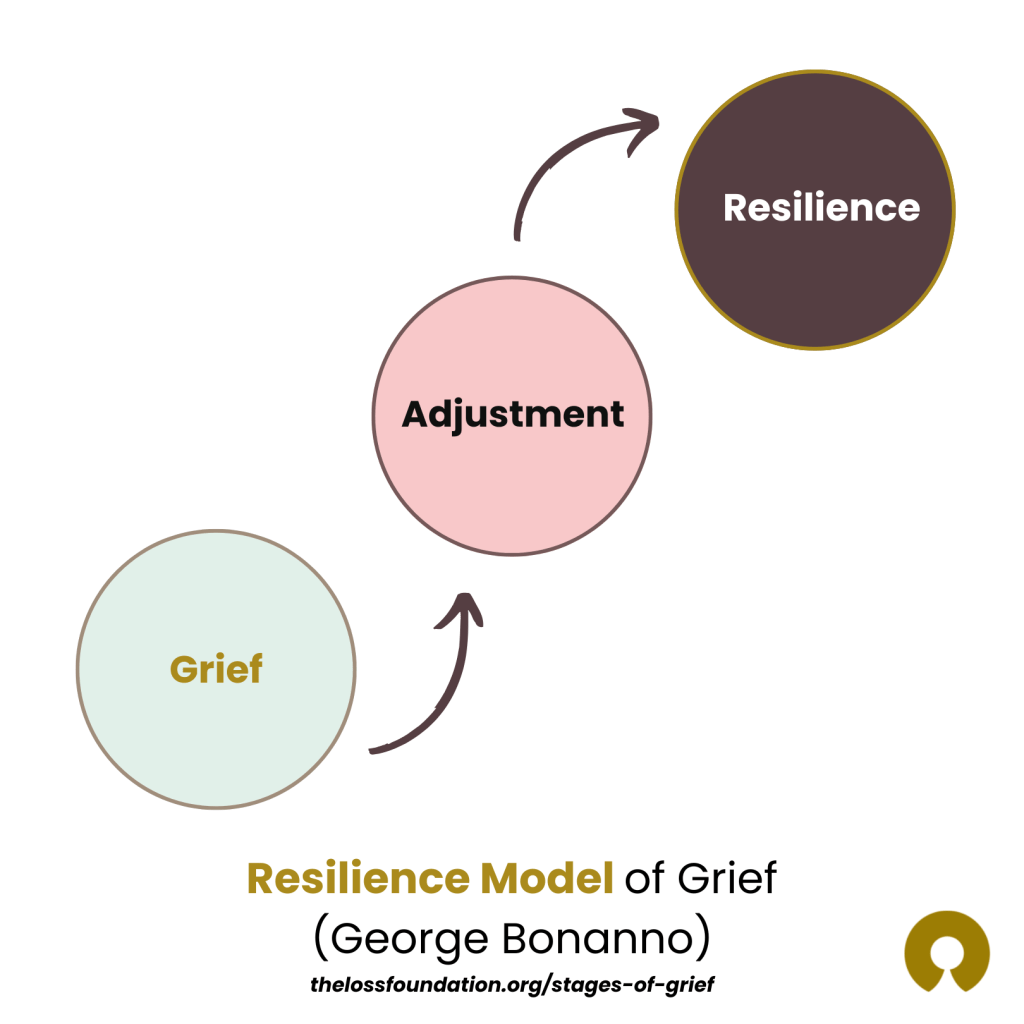
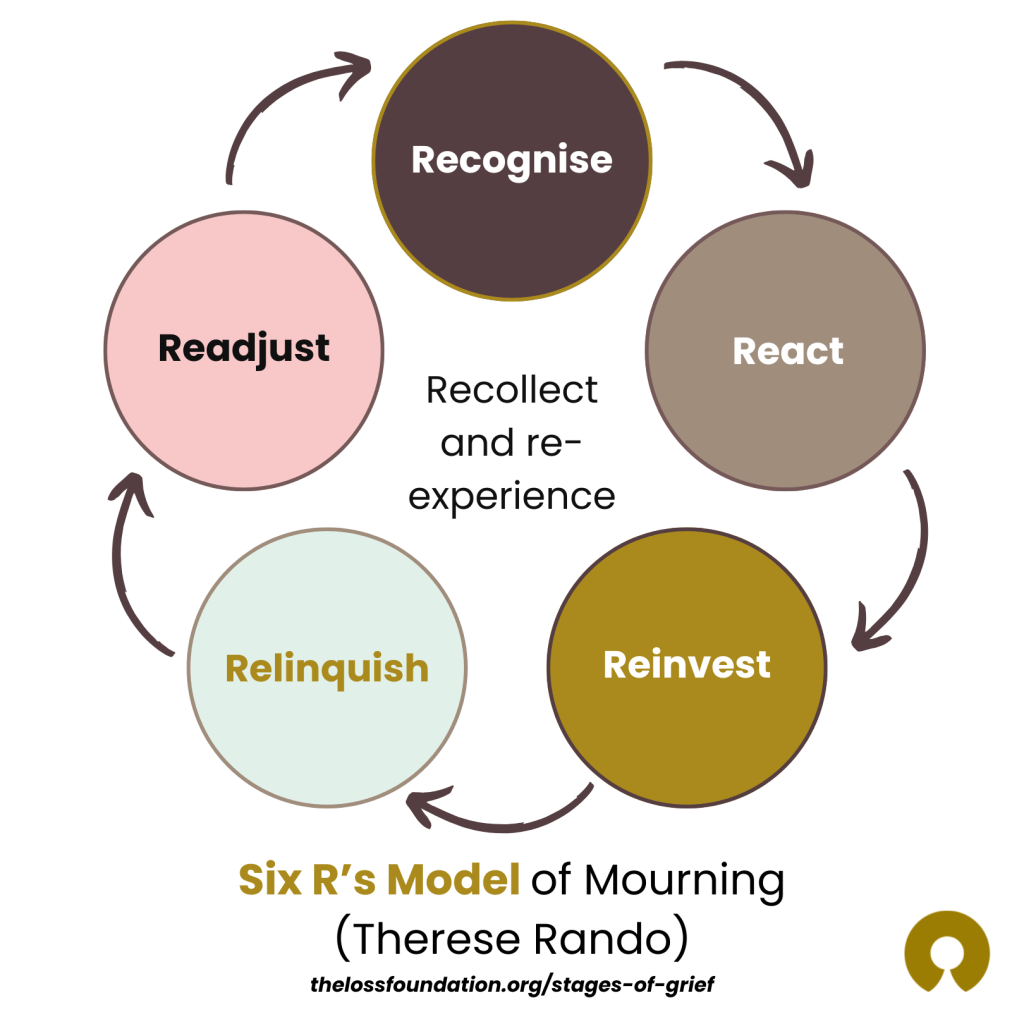
🧩 Other grief models that may resonate more deeply with your experience