

At our bereavement support support group sessions we sometimes find ourselves discussing the word ‘acceptance‘.
“What do I need to do to accept my loss?”
“How do I get ‘there‘?
Theories of grief often talk about ‘stages‘ in the bereavement process. Many think of Kubler Ross’s theory of grief and wonder how and what it looks like to reach the stage of acceptance. Different people face this in different ways, with different ideas about feeling ready to move on, for example, giving away their partners clothes to charity or even dating. For others getting to such a point seems eons away.
🌱 Grow with our courses
Explore our courses – including Mental Health: Supporting Ourselves and the Grief Journey Workbook – on our dedicated Grief & Mental Health Training page.


The idea of acceptance is desirable. But it’s worth us asking ourselves what we think acceptance means. What would life look like if you accepted your loss? Is it about getting things done or feeling differently? In some ways it seems like a very overwhelming question to pose, and maybe there are smaller questions that can be posed, such as, “What would help make today that bit easier?“
People often talk about putting on a ‘happy’ face for other friends and family, not wanting to burden them with their problems. Sometimes this can feel like we are acting rather than being real. Maybe one way you could help yourself is to talk with friends or family members about how you feel. Talking is a form of processing, and it’s this type of processing that helps us adapt to new ways of life.
Coping with the intense emotions of grief is difficult and painful, and it’s understandable that we would want that intense pain to cease. So maybe a different focus would be about how to help ourselves in our suffering rather than how to get to the other side of it?
Although there are common themes that arise in the wake of grief, people need to understand what a personal and individual journey bereavement is; which mirrors the complexity of human relationships.
For many they continue to ponder the notion of acceptance, both what it means and how to know when we get there?
And remember, whether you feel like you’ve got there or not, you are welcome to join us for support. You can find information on our upcoming support events on our Calendar.
Dr Sara Sydlowski
Clinical Psychologist
Photo by Katie Moum on Unsplash
🧠 Explore How the ‘Stages of Grief’ Work
The “stages” of grief are one of the most familiar frameworks people turn to when trying to understand loss – yet they’re often interpreted too literally.
Our Stages of Grief guide breaks down where the model came from, what each stage represents, and how it can offer insight without suggesting grief moves in tidy steps.
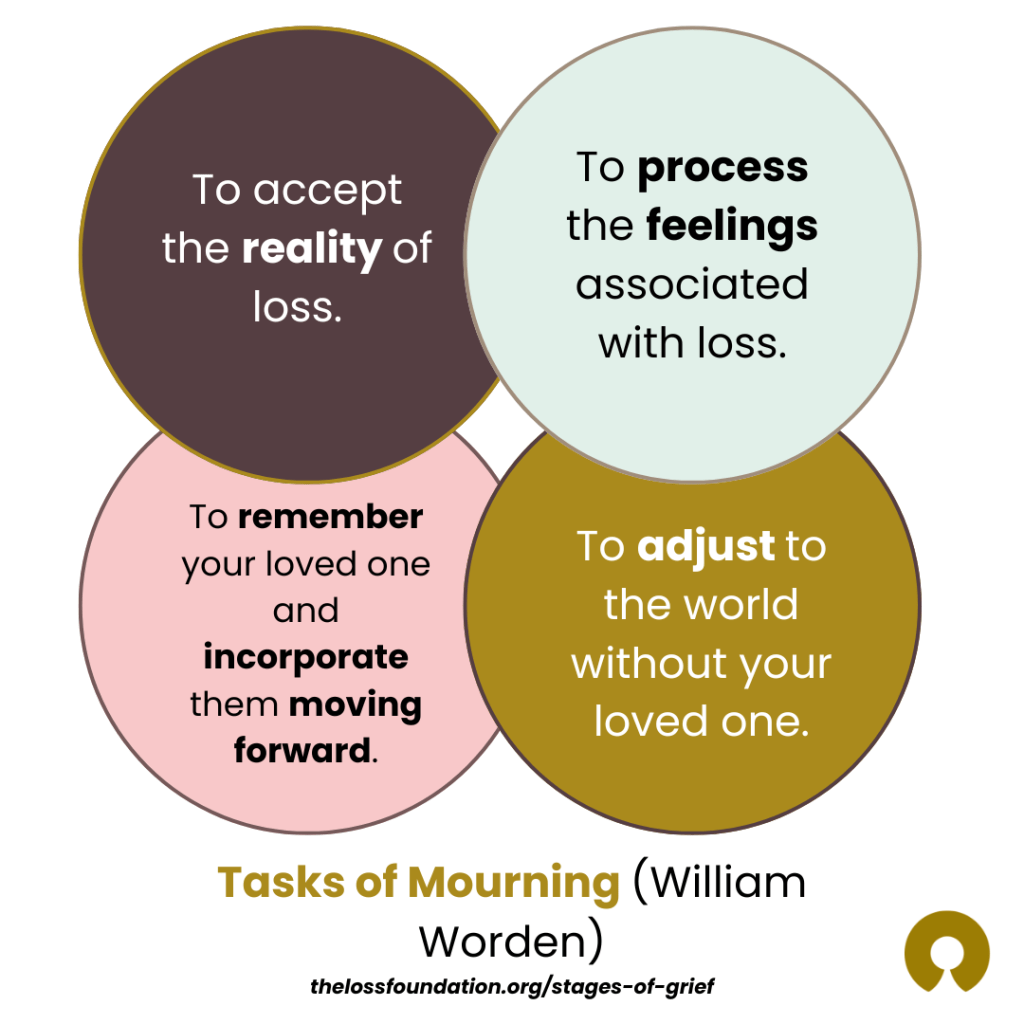
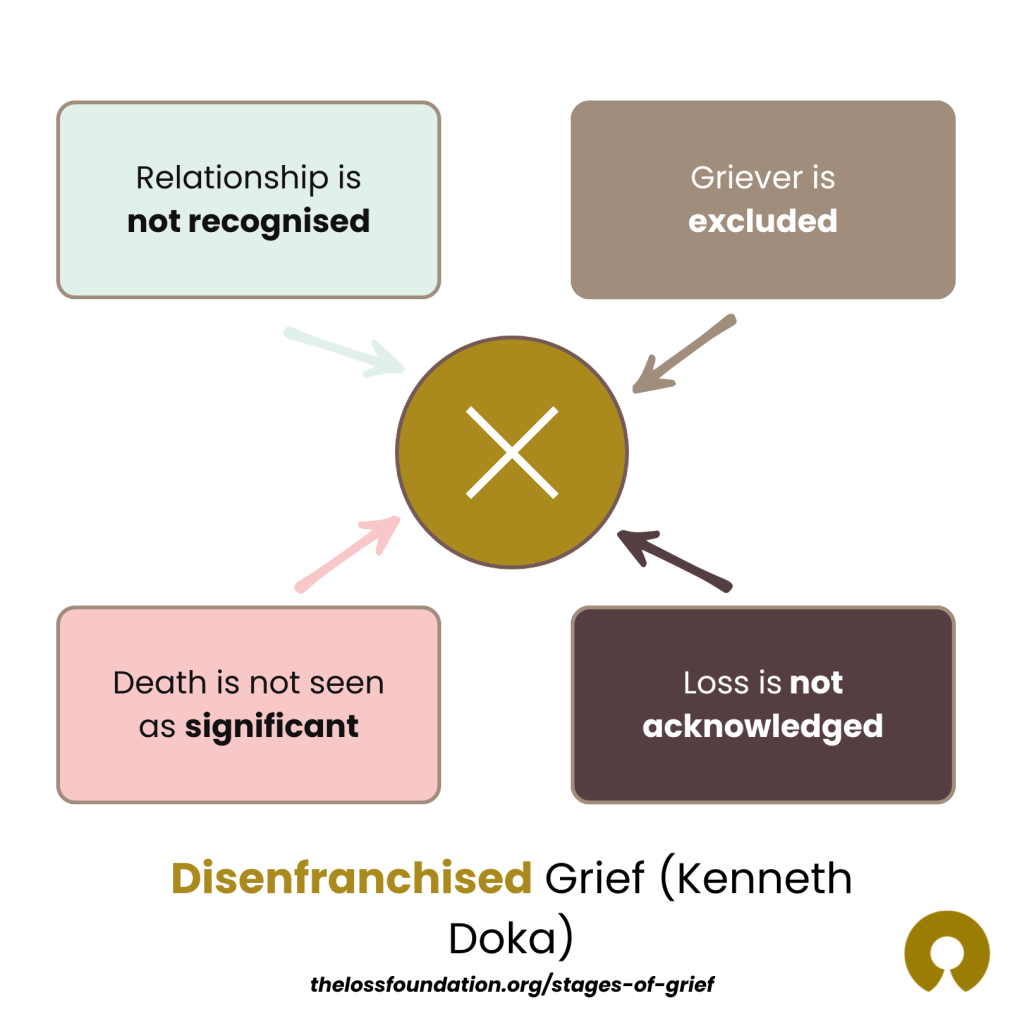
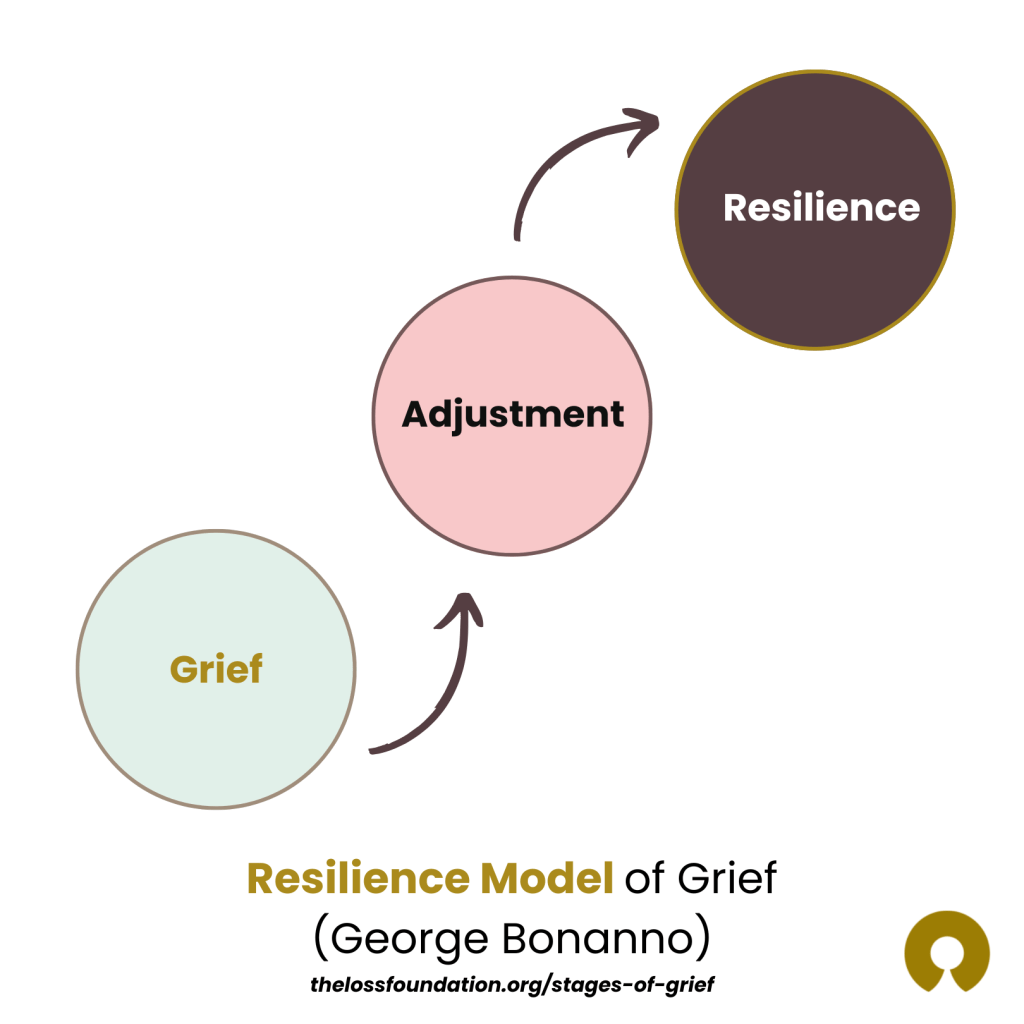

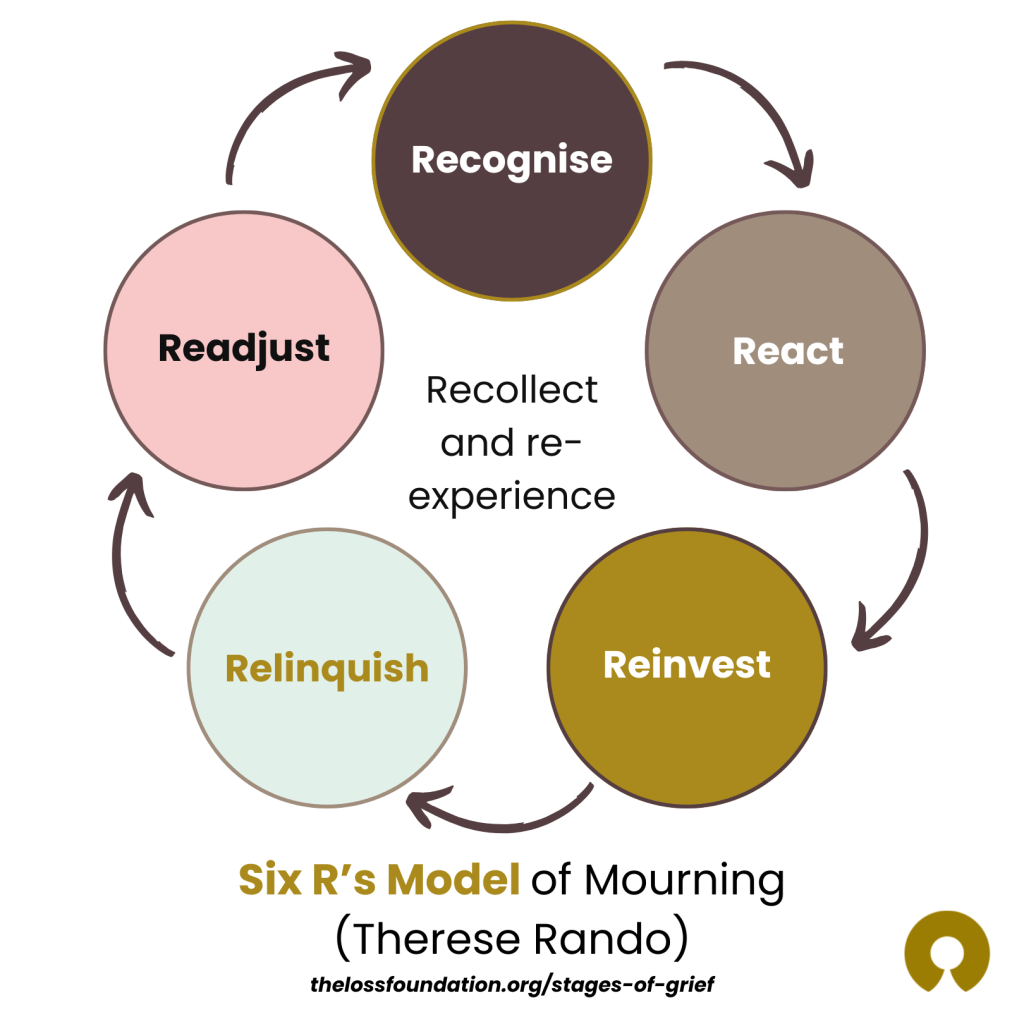

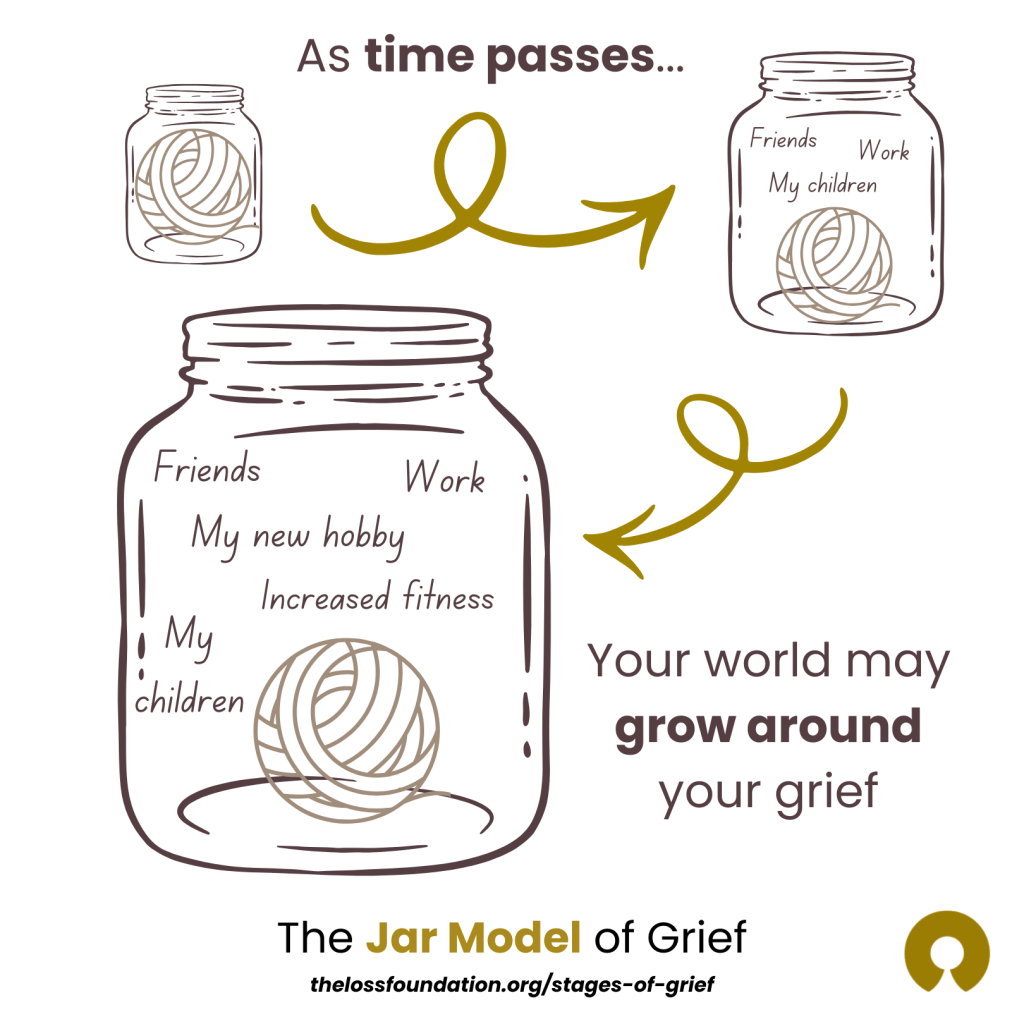
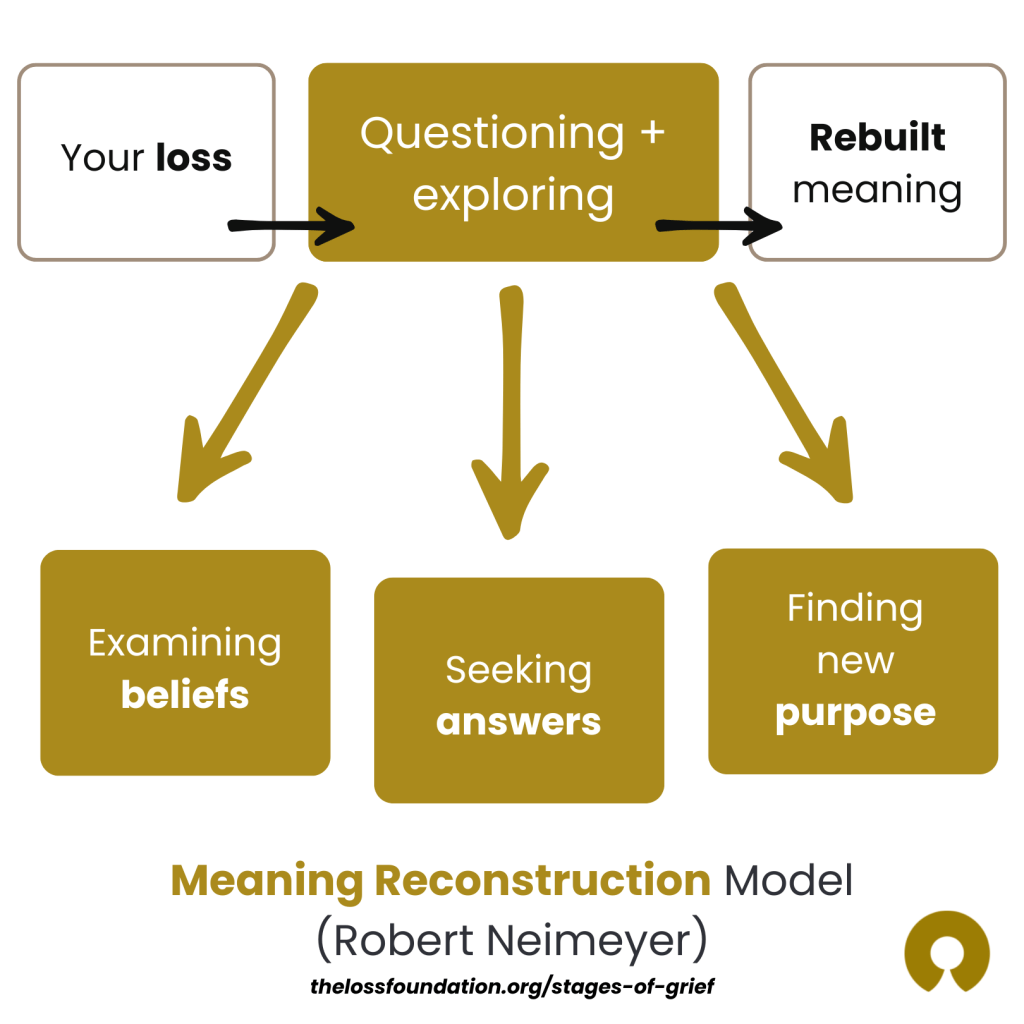
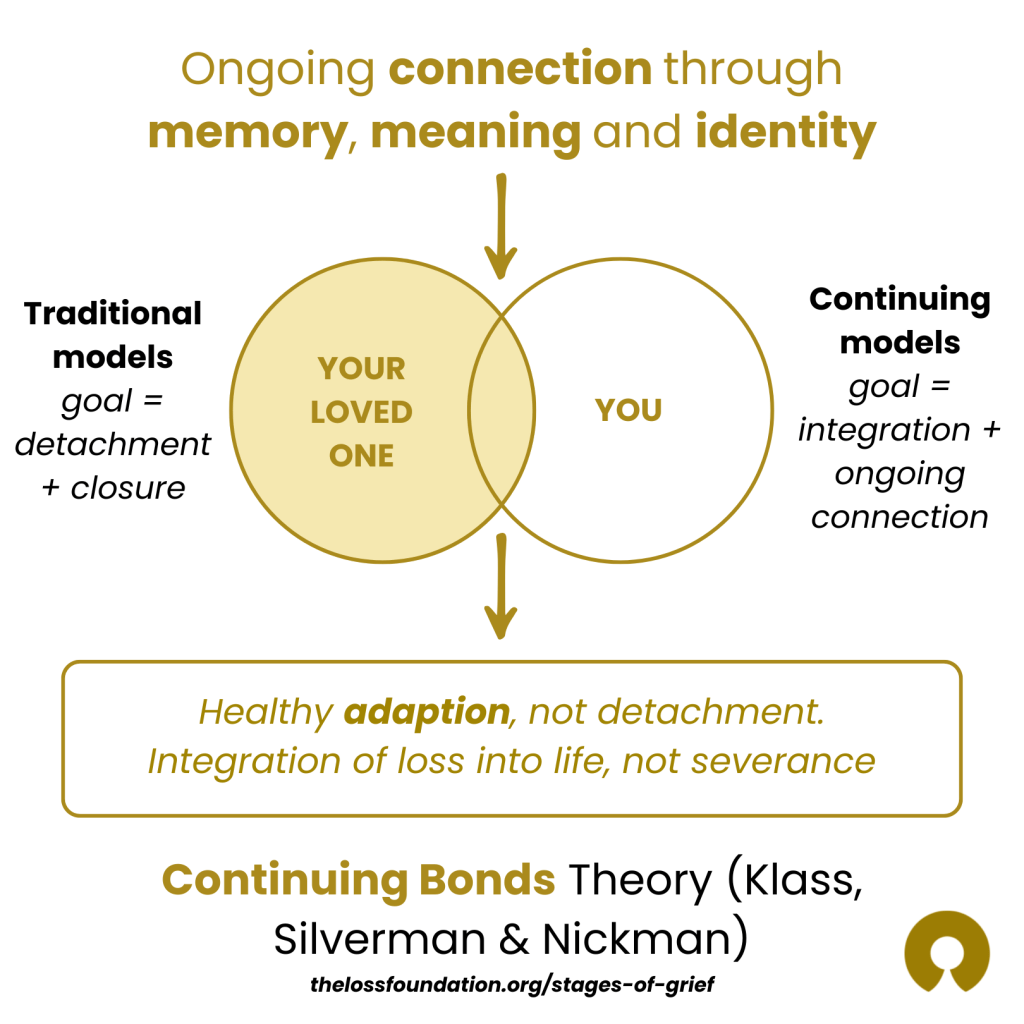

Explore the page to learn:
📘 A clear explanation of what the Five Stages do – and don’t – mean
🧭 Why grief shifts over time rather than progressing in order
🌊 How emotions can rise and fall in waves
🧩 Other grief models that may resonate more deeply with your experience