
Whether you’re navigating the early stages of loss or seeking ongoing support, books can offer solace, understanding, and practical guidance.
From self-care to personal growth, we have book recommendations for everyone. Discover new releases, explore books on specific types of loss, or browse by topic.
As an Amazon Associate, we earn from qualifying purchases if you click a link – these donations (at no extra cost to you) help support others in grief. Thank you.
Click to skip to your topic of interest…
Books for Grief – explore by focus

Finding the right book to support you through grief can be a comforting and empowering step. Whether you’re seeking solace, practical advice, or inspiring stories, there’s a book out there to help you navigate your journey.
Self-Care
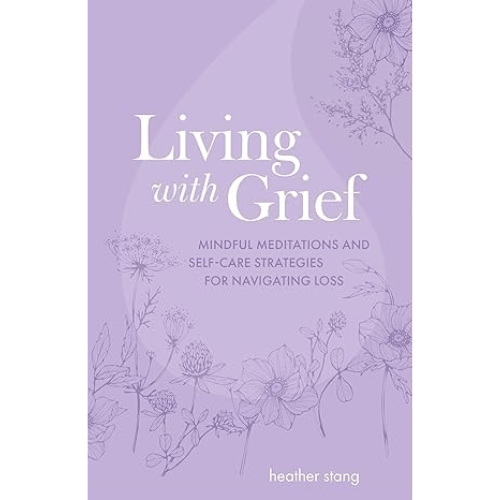
Featured Self Care Book…
Living with Grief provides mindfulness exercises to help individuals navigate grief, honour their loved ones, and promote healing.
Featured Amazon review…
★★★★★ Beautiful, Real, Relatable, Practical
Heather Stang… has created a tool that is as practical as it is heartfelt.
Find solace and support in books that prioritise your well-being. Discover practical strategies, inspiring stories, and expert advice to nurture your emotional and physical health during your journey through grief.
From self-care activities to mindful meditations, the books for grief on our self care page offer a wide range of tools to help you care for yourself.
Children’s Books for Grief

Featured Children’s Book for Grief…
Tear Soup is a gentle and comforting book that uses the metaphor of making soup to guide readers through the process of grieving and healing after a significant loss.
Featured Amazon review…
★★★★★ Tear Soup… a ladle full of comfort
The tips at the back are very helpful and the way the book is presented even raises a smile.
Our Children’s Books for Grief category provides gentle and compassionate resources for young readers coping with loss. These carefully selected stories and guides address the complexities of grief in a relatable way, helping children understand and express their feelings.
Through engaging narratives and beautifully illustrated books, children can explore themes of love, memory, and healing, all while finding comfort in knowing they are not alone. Whether dealing with the loss of a family member, friend, or pet, these books offer valuable tools for navigating grief, fostering emotional resilience, and encouraging open conversations about their experiences.
Therapeutic/Toolkits/Written by Mental Health Professionals

Featured Therapeutic Book for Grief…
In this essential guide, clinical psychologist Dr. Julie Smith offers practical coping techniques and insights to manage anxiety, build self-confidence, and navigate life’s challenges.
Featured Amazon review…
★★★★★ Learnt something new from every chapter
It’s a brilliant book that talks you through different emotions and how we react to situations through focusing on mood, motivation, emotional pain, grief, self-doubt, fear, stress and creating a meaningful life.
This category is designed to offer compassionate support and practical guidance for those navigating the complex emotions of loss. Featuring works written by mental health professionals, this collection includes therapeutic resources and toolkits aimed at helping you process grief in healthy, constructive ways.
These books provide reliable tools to manage the emotional and physical impacts of grief. Each title is crafted to guide you through the healing journey, offering comfort and understanding from professionals who have dedicated their lives to helping others find hope amidst loss.
Inspiring Books Written by Individuals with Cancer/Terminal Illness
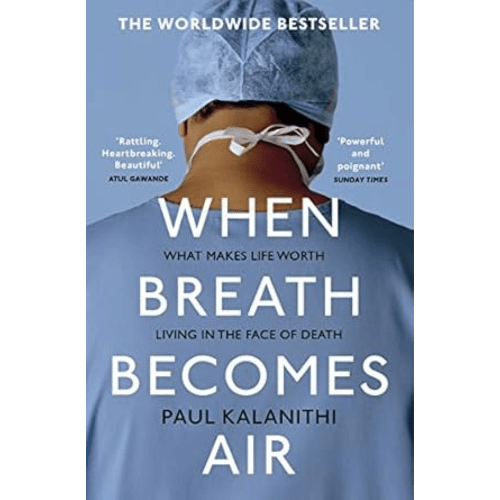
Featured Inspiring Book for Grief…
At thirty-six, neurosurgeon Paul Kalanithi was diagnosed with inoperable lung cancer, transforming him from a doctor treating the dying into a patient struggling to live. When Breath Becomes Air chronicles his journey.
Featured Amazon review…
★★★★★ Wow!
“When Breath Becomes Air” is a profoundly moving exploration of life, death, and the human spirit that left an indelible impact on me.
Our Inspiring Books Written by Individuals with Cancer/Terminal Illness category features powerful narratives and heartfelt insights from those who have faced life-changing diagnoses.
These books offer unique perspectives on living with cancer or terminal illness, capturing the resilience, hope, and strength that can emerge even in the most challenging circumstances.
Books for Grief on Personal Growth
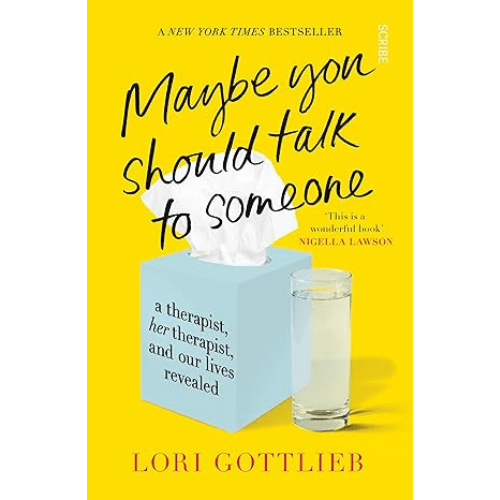
Featured Book for Grief + Personal Growth…
In Maybe You Should Talk to Someone, therapist Lori Gottlieb invites readers into her practice, revealing her own vulnerabilities and the transformative journey she undertakes with her patients, including a self-absorbed Hollywood producer and a terminally ill newlywed, as they all grapple with life’s profound questions.
Featured Amazon review…
★★★★★ Honest, Relatable, Poignant and Entertaining
Lori is really honest about her experiences as a therapist and as a client. Several characters’ experiences are woven into this, as Lori tells the story of processing a grief of her own. It’s semi-true, semi-fiction. A really clever mix.
In this category, you’ll find insightful resources, inspiring stories, and practical guidance designed to help you navigate your healing process. Discover how others have turned their pain into strength, found new purpose, and embraced life after loss.
Whether you’re seeking solace or motivation, these materials will encourage you to honour your grief while cultivating a path toward growth and renewal.
Books on Grief Offering Fresh Perspectives

Featured Book for Grief with a Fresh Perspective…
Modern Loss is a frank and humorous examination of grief in the digital age, featuring original essays and illustrations from various voices. Co-authored by Rebecca Soffer and Gabrielle Birkner, who lost parents as young adults, the book encourages open discussions about death and offers insights to help readers navigate their feelings with empathy and humour.
Featured Amazon review…
★★★★★ Life after a death CAN go on
The writers are telling us truths about the grieving process that are perceptive, warm, heartbreakingly poignant, and just plain real.
Here, you’ll find insightful narratives and innovative approaches that challenge traditional views on loss and healing.
Whether you’re navigating your own grief or supporting someone else, these books provide the comfort and understanding needed to illuminate the journey through sorrow and into hope.
Books for Grief – Exploring Loss by Relationship (e.g., Parent, Child, Partner)

Whether you’ve lost your partner, sibling, parent, child, or suffered a broader family loss, each brings distinct emotional challenges. Choosing a book based on your experience of loss offers a more personal and relatable read.
Selecting a book by the type of loss allows you to find narratives that may mirror your experiences, extending comfort and guidance for your grieving journey.
We earn a donation (at no extra cost to you) if you click a link on this page and make a purchase. Thank you for supporting others in grief.
Click to explore books based on the loved one you’re grieving…
Partner loss
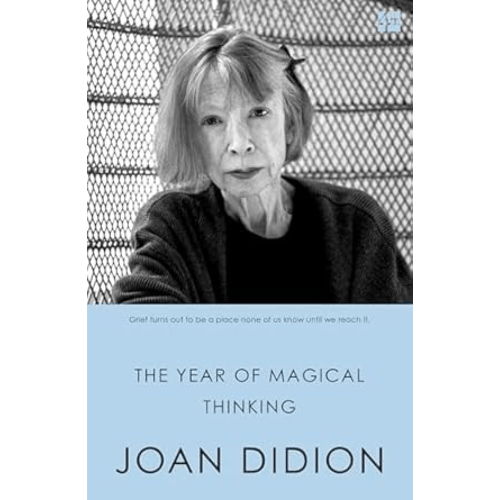
Featured Book for Grief for Partner Loss…
In this memoir, Joan Didion reflects on the sudden loss of her husband and navigates the stages of grief with profound introspection.
Featured Amazon review…
★★★★★ Beautiful
A moving and at times devastating book- anyone who has lost someone will be able to relate to this. I couldn’t put it down- a touching portrait of grief.
The books we’ve listed in this category include heartfelt stories, expert advice, and compassionate reflections to help you find a way forward, honouring the love that was while learning to live in a world forever changed.
Whether you’re looking for emotional support or practical strategies to rebuild, these titles offer a companion on the path to healing.
Sibling loss

Featured Sibling Loss Book for Grief…
This touching collection presents 100 actionable ideas designed to aid in understanding and coping with the loss of a sibling.
Featured Amazon review…
★★★★★ Great support and comforting read
It is so helpful I have bought one for each of my sisters, as I know it will really help them too.
Losing a sibling brings a unique grief, as siblings share deep bonds filled with shared memories and mutual understanding. This loss can often evoke feelings of guilt, unresolved conflicts, and the challenge of navigating life without a confidant.
Books emphasise that while the pain of losing a brother or sister may never fully fade, healing and hope are possible. Through narratives of remembrance and emotional processing exercises, these resources serve as compassionate companions on the journey of life after loss.
Parent Loss
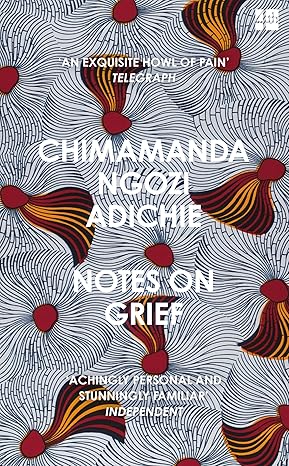
Featured Parent Loss Book for Grief…
Notes on Grief is a heartfelt reflection by the author’s daughter on her deep bond with her beloved father, exploring the complexities of loss and the enduring nature of grief.
Featured Amazon review…
★★★★★ Consolation
Having lost my mum recently this book helped me to consolidate my grief as it crystallised my innermost feelings and expressions in a manner that nothing else has done so far.
Losing a parent can be an incredibly painful experience that can leave a profound void. This category offers resources to help navigate the complexities of grief associated with such a significant loss.
Whether the loss was sudden or expected, each resource emphasises the importance of honouring your feelings and finding support. Here, you’ll discover validation for your grief and inspiration for healing, along with shared experiences that resonate with your journey.
Child Loss

Featured Child Loss Book for Grief…
In Ask Me His Name, Elle Wright shares her heart-wrenching experience of losing her newborn son, Teddy, just hours after a seemingly perfect birth, exploring the profound grief of leaving the hospital empty-handed and the challenges of navigating motherhood after such a devastating loss.
Featured Amazon review…
★★★★★ Could not put it down!
It pains me that this book has come from such heartbreak but at the same time I’m truly grateful for you putting your story out there so that the rest of us parents who’ve suffered similar heartbreak feel some comfort & know we’re not alone
The loss of a child is an indescribable grief that profoundly impacts families. This category focuses on the unique challenges and emotions that arise from such a heart-breaking experience, whether it occurs during pregnancy, infancy, or childhood.
These works explore love, memory, and resilience, providing personal stories and expert guidance to support those navigating this deeply personal and often isolating journey.
Our Guide to Books for Grief… Our recommendations among the vast array of books on grief and loss. Remember, everyone’s journey through grief is unique, and finding the right book or resource that resonates with you is important. Reading can provide comfort, insights, and support as you navigate the challenging terrain of grief.
Reading Books for Grief – Our Tips
Grief is a complex emotional experience. Reading books that explore the topic of grief can offer comfort, understanding, and healing during difficult times. Whether you’re seeking guidance, solace, or a sense of connection, here are some highly recommended books on grief and loss.
Do you know of a book for grief which is missing from our list? Please tell us about it, as it may help someone else feel supported after loss. Email us with your recommendations on hello@thelossfoundation.org







As an Amazon Associate, we earn from qualifying purchases if you click a link – these donations (at no extra cost to you) help support others in grief. Thank you.
When reading while grieving, here are some helpful tips to consider:
1. Choose books specifically written for grief: Look for books that explicitly address the topic of grief. Search for keywords like “books for grief”, “grief and loss” or a term that is specifically related to the issue arising from grief that you’re struggling with (such as sleeplessness, anxiety or low mood).
2. Allow yourself to feel and process emotions: Reading books about grief can evoke strong emotions. It’s important to give yourself permission to feel and process those emotions as you read. Allow yourself to cry, reflect, and engage with the material at your own pace.
4. Seek different perspectives: Explore books that offer various perspectives on grief. This can include memoirs, self-help books, fiction, poetry, or even books that combine personal stories with professional advice. Having a range of perspectives can help broaden your understanding and provide different tools for healing.
3. Find relatable stories: Look for books that feature characters or authors who have experienced similar types of loss or grief. Reading about others’ experiences can provide a sense of connection and validation, reminding you that you are not alone in your journey.
5. Take breaks when needed: It’s essential to listen to your emotional needs while reading during the grieving process. If you feel overwhelmed or triggered, take breaks or set the book aside for a while. Respect your emotional boundaries and return to the book when you feel ready.
6. Engage in self-care before and after reading: Reading about grief can be an intense and emotional experience. Practice self-care activities that help you feel grounded and nurtured before and after reading. This can include activities like taking a walk, practicing mindfulness, journaling, or talking to a trusted friend or therapist.
7. Join a grief support group or book club: Consider joining a grief support group or book club where you can discuss books related to grief with others who are experiencing similar challenges. Sharing thoughts, insights, and emotions in a supportive community can provide additional comfort and understanding.
Recommendations from Loss Foundation Participants
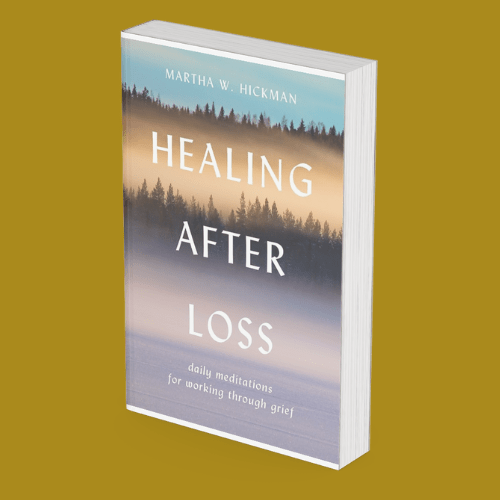
Healing After Loss by Martha Whitmore Hickman
Julie reviewed Healing After Loss: Daily Meditations for Working Through Grief – a “classic guide for dealing with grief and loss. Daily reflections to find solace in our own lives, and comfort in the connection of sharing these meditations with countless others”.

Modern Loss by Rebecca Soffer and Gabrielle Birkner
Modern Loss: Candid Conversation about Grief by Rebecca Soffer and Gabrielle Birkner, reviewed by Helena, a friend of The Loss Foundation.
Modern Loss is “an examination into navigating grief and resilience in the age of social media, offering comfort and community for coping with the mess of loss”.
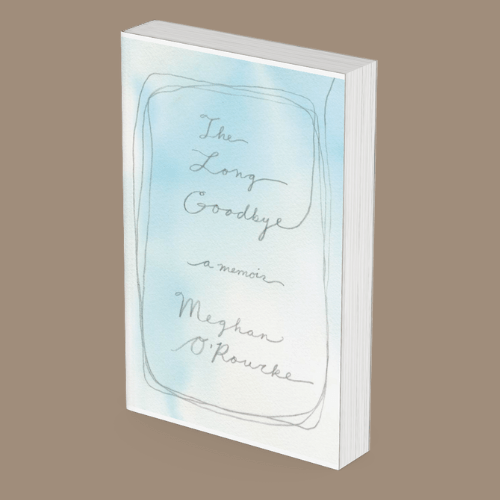
The Long Goodbye by Megan O’Rourke
The Long Goodbye: A Memoir by Megan O’Rourke, reviewed by Helena.
The Long Goodbye: A Memoir is an account of the months following the writer’s mother’s diagnosis of colorectal cancer to her death, and of the aftermath.
As an Amazon Associate, we earn from qualifying purchases if you click a link – these donations (at no extra cost to you) help support others in grief. Thank you.
Grief FAQs
Grief exhaustion is profound fatigue caused by the emotional and physical toll of loss. It disrupts sleep, focus, and energy due to the mental effort required to process grief. While most intense in the early months, its duration varies based on factors like the loss’s nature and individual coping styles.
Grief can feel overwhelming, and while it’s natural to want relief, numbing the pain may prolong healing. Instead, try healthy distractions, mindfulness practices, creative expression, or leaning on your support network. If grief becomes unbearable, professional help or grief resources, such as books, can provide meaningful guidance.
The Three C’s of Grief—Challenge, Change, and Connection—provide a helpful framework for navigating loss. Challenge involves confronting the emotional reality of grief, Change is about adapting to a new reality, and Connection focuses on rebuilding relationships and support systems. These stages guide healing and transformation during grief.
While grieving, it’s important not to suppress your emotions or isolate yourself. Avoid making major life decisions in the heat of grief, and be mindful of using unhealthy coping mechanisms like excessive alcohol or overeating. Instead, allow yourself time, seek support, and engage in self-compassionate practices.
Read more about things to avoid while grieving
Determining what stage of grief you’re in can be difficult, as everyone’s journey is unique. While the stages—denial, anger, bargaining, depression, and acceptance—offer a framework, it’s important to understand that grief is not linear. You may experience different stages at different times. Trust your emotions and give yourself time to heal.
The hardest death to grieve often depends on the relationship and circumstances. Many find the loss of a child, partner, or close friend especially difficult due to the deep emotional bond. Sudden or traumatic deaths can also intensify grief, as they leave little time to prepare or say goodbye.
Unprocessed grief can feel like a constant weight on your heart and mind. Emotions may fluctuate wildly, ranging from numbness to intense sadness, anger, or guilt. It can lead to physical symptoms like fatigue or difficulty concentrating, as the unresolved emotions continue to affect your overall well-being.
Releasing grief from your body involves gentle practices like deep breathing, yoga, creative expression, and physical touch. Activities such as dancing, journaling, or spending time in nature can help ease the emotional and physical tension grief creates. Healing takes time—be kind to yourself as you navigate the process.
Grief can have a profound effect on both the mind and body, often leading to increased stress, disrupted sleep, and physical exhaustion, which can contribute to signs of aging. While grief itself may not directly age you, its emotional toll can impact your overall well-being and health over time.
Books for Bereavement: An Archive of Our Monthly Recommendations
November 2024 Books for Grief
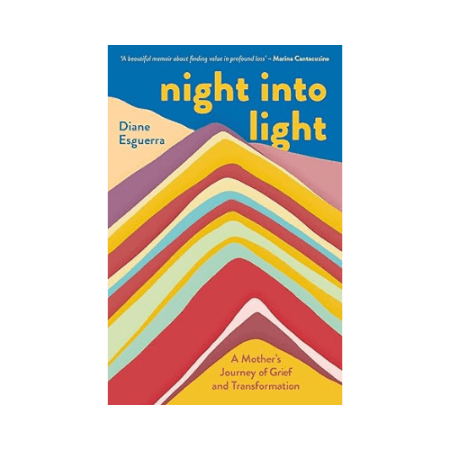
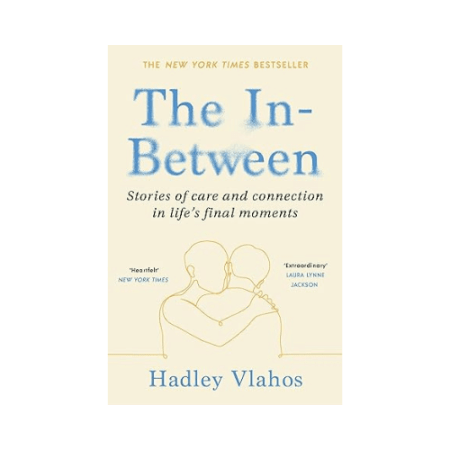
This November, our featured books offer diverse perspectives on grief and healing. The In-Between by Hadley Vlahos shares lessons from a palliative care nurse on life and loss. Night Into Light by Diane Esguerra chronicles a mother’s journey of grief and renewal. Three Dads Walking reflects on three fathers’ shared trek to honour their daughters lost to suicide. Finally, Ubac and Me by Cédric Sapin-Defour explores the love and loss shared with a cherished mountain dog.


From December 2024…
An Advent of Books for Grief
As we enter the Holiday season, we recognise that this time of year can be especially challenging for those who are grieving. To offer support, we’ve curated a selection of books that provide comfort, insight, and reflection during this time.
Whether you’re seeking solace, understanding, or simply a way to navigate the complexities of grief during the holidays, we hope you find a book to support you among our suggestions.
#1 – Beloved, Toni Morrison

Beloved (1987) is a powerful, unforgettable novel that lingers long after you finish reading it. While the stages of grief Sethe experiences in the book are considered outdated by modern psychologists, the novel remains crucial in understanding Black grief. It highlights the connection between Black grief and oppression, which is an important step in addressing and healing from it.
#2 – Sad Book, Michael Rosen

Rosen’s straightforward Sad Book (2004) was inspired by the death of his son Eddie, who passed away from meningitis at 18. The book captures how deeply a person is changed by loss, particularly the death of a child. The combination of words and images beautifully conveys the complexity of grief. It’s a must-read for both children and adults.
#3 – Mrs Dalloway, Virginia Woolf

Mrs Dalloway (1925) takes place on a single day in London in June 1923, shortly after World War I. The story follows Clarissa Dalloway, who is preparing for a party, and Septimus Warren Smith, a war veteran dealing with the effects of shell shock. While Clarissa focuses on her event, death is ever-present, quietly looming over her day.
#4 – Goodbye Mog, Virginia Woolf
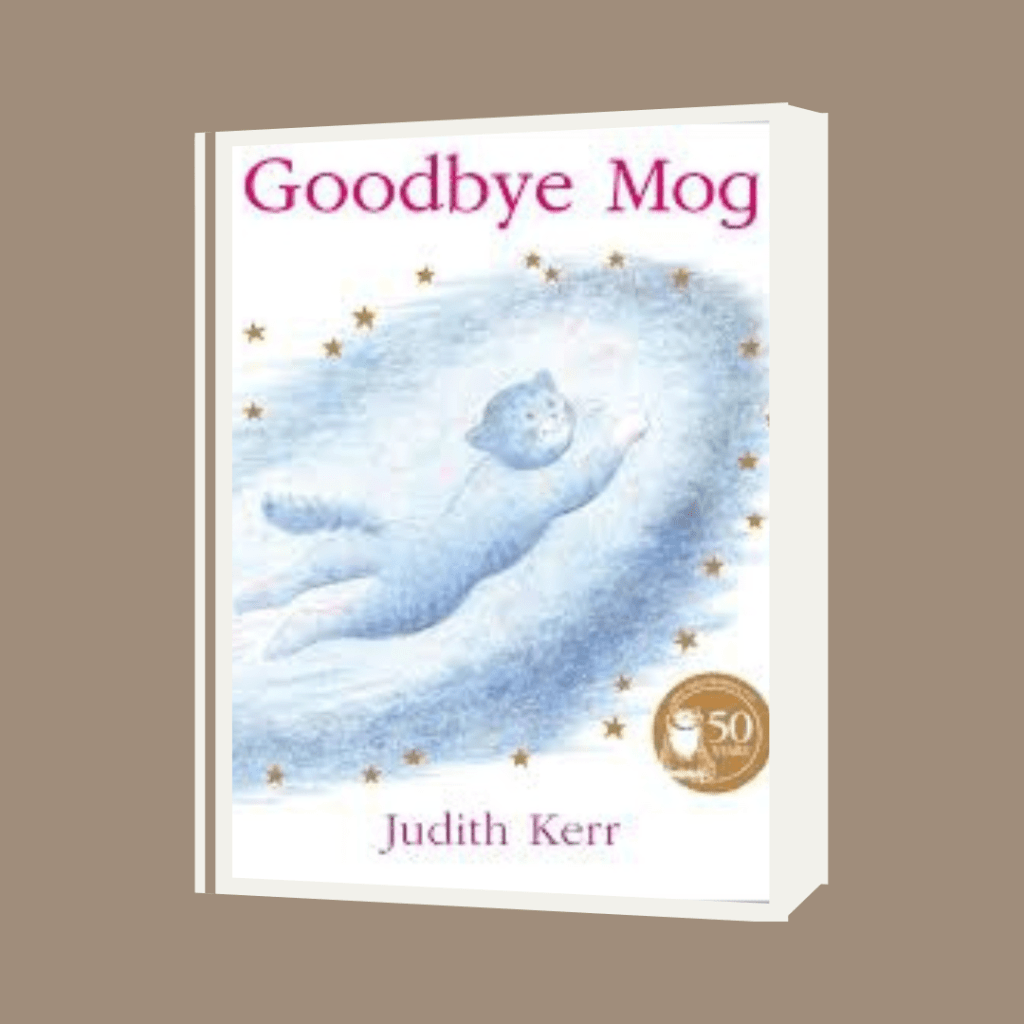
Goodbye Mog (2001) introduces young children to loss and grief through the story of the Thomas family saying goodbye to their beloved pet, Mog.
Judith Kerr explores themes of death, memory, and legacy, inspired in part by her own reflections as she approached 80.
#5 – Why Has Nobody Told Me This Before? Dr. Julie Smith
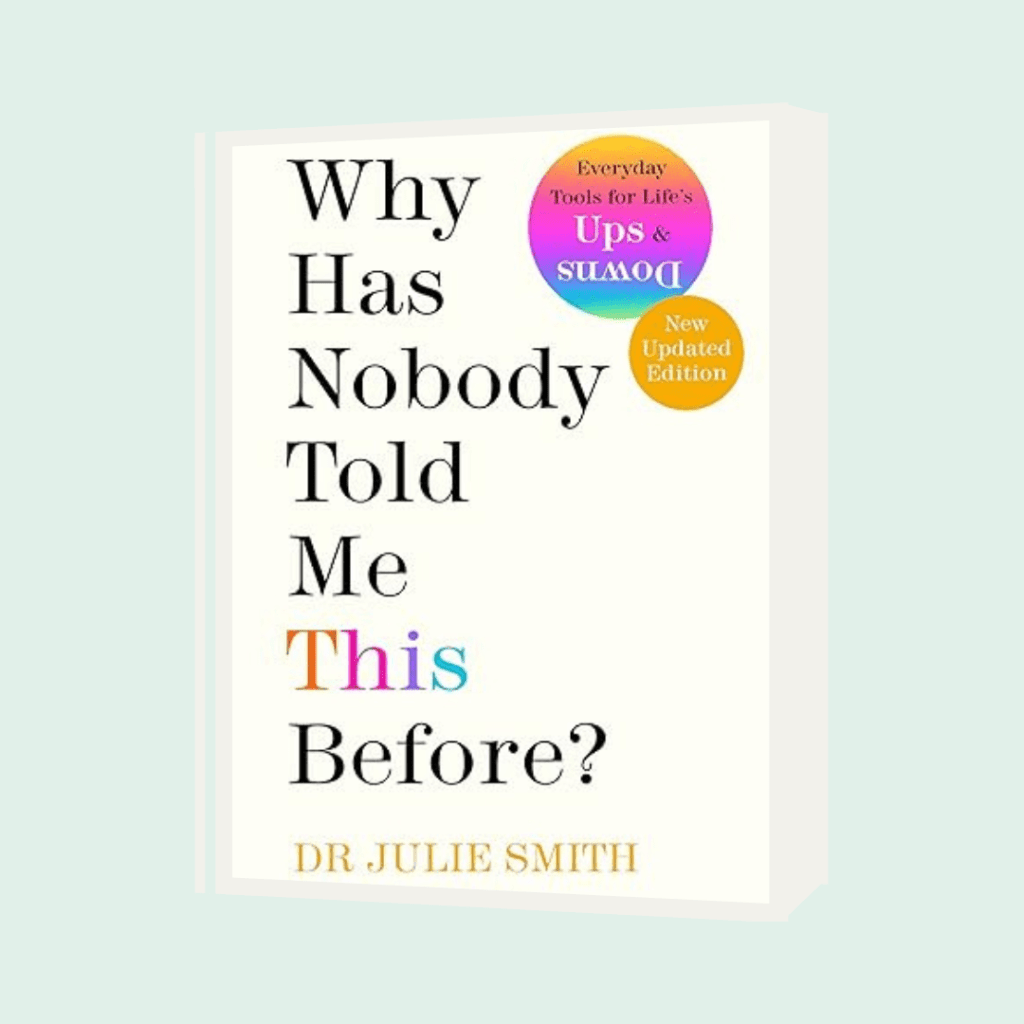
In this 2022 guide, Clinical Psychologist Dr. Julie Smith shares strategies to manage anxiety, build self-confidence, and navigate life’s challenges.
A Sunday Times bestseller, Why Has Nobody Told Me This Before? has sold over one million copies.
#5 – One Day, Dr. Julie Smith, by David Nicholls
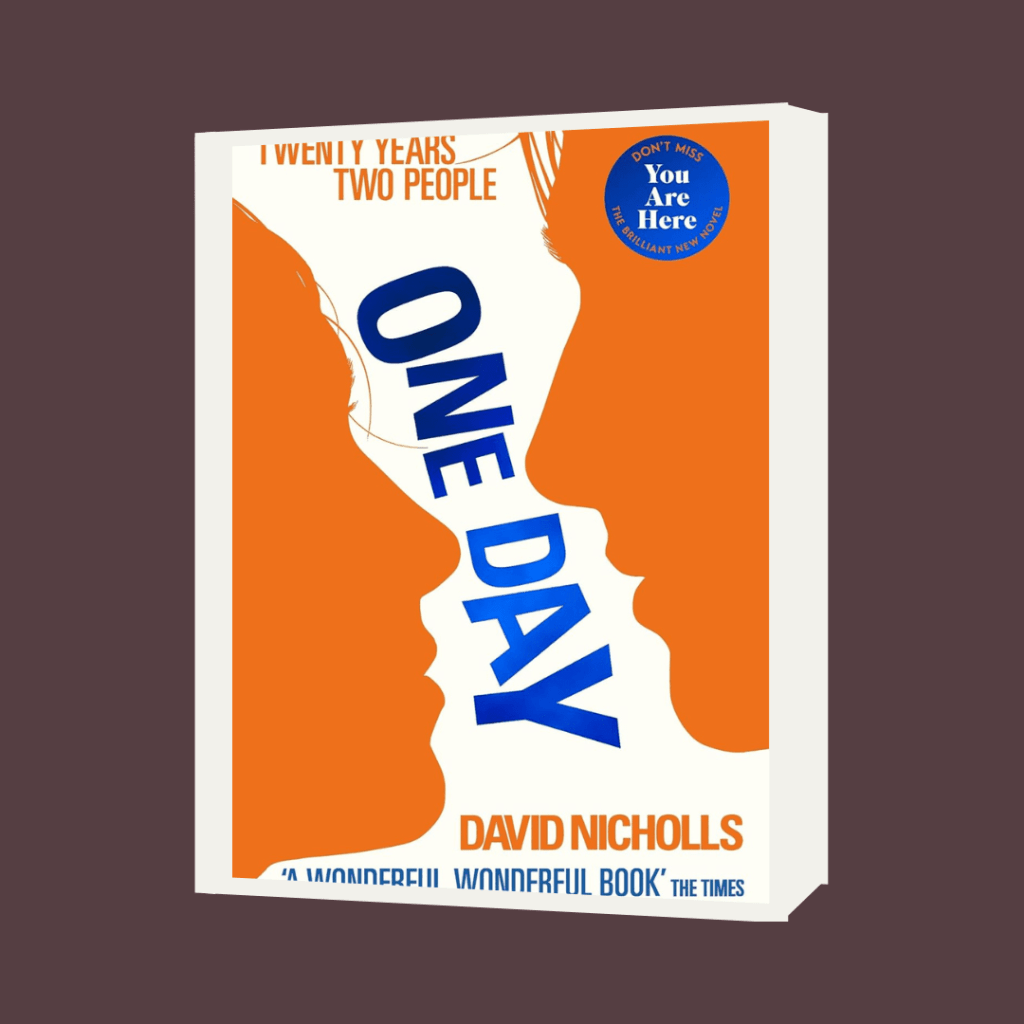
David Nicholls’ One Day follows Emma and Dexter over two decades, exploring the fleeting nature of life and meaningful moments. Offering comfort to those grieving, it reflects on time, connections, and life’s unpredictability, blending humour and emotion to remind readers to cherish memories, even in loss.
#7 – Now is Not the Time for Flowers, by Stacey Heale

Now is Not the Time for Flowers is Stacey Heale’s candid memoir, exploring love, motherhood, grief, and identity as she navigates life after her husband’s terminal cancer diagnosis.
#8 – Grandad’s Island, Benji Davies

Grandad’s Island by Benji Davies is a tender story about loss, as young Syd journeys with his Grandad to a vibrant island where they say goodbye, offering comfort and understanding to children coping with bereavement.
#9 – Alice in Wonderland, Lewis Carroll

Alice’s Adventures in Wonderland (1865) by Lewis Carroll is a tale of whimsy and self-discovery. The story explores themes of curiosity, imagination, and the loss of childhood innocence, resonating with readers navigating change or grief.
#10 – A Life Reimagined, Jill Halfpenny

A Life Reimagined by Jill Halfpenny is a memoir exploring love, loss, and grief. Reflecting on the deaths of her father and partner, she examines her journey through mourning and shares insights to help others find understanding and hope.
#11 – The Boy, The Mole, The Fox & The Horse, Charlie Mackesy
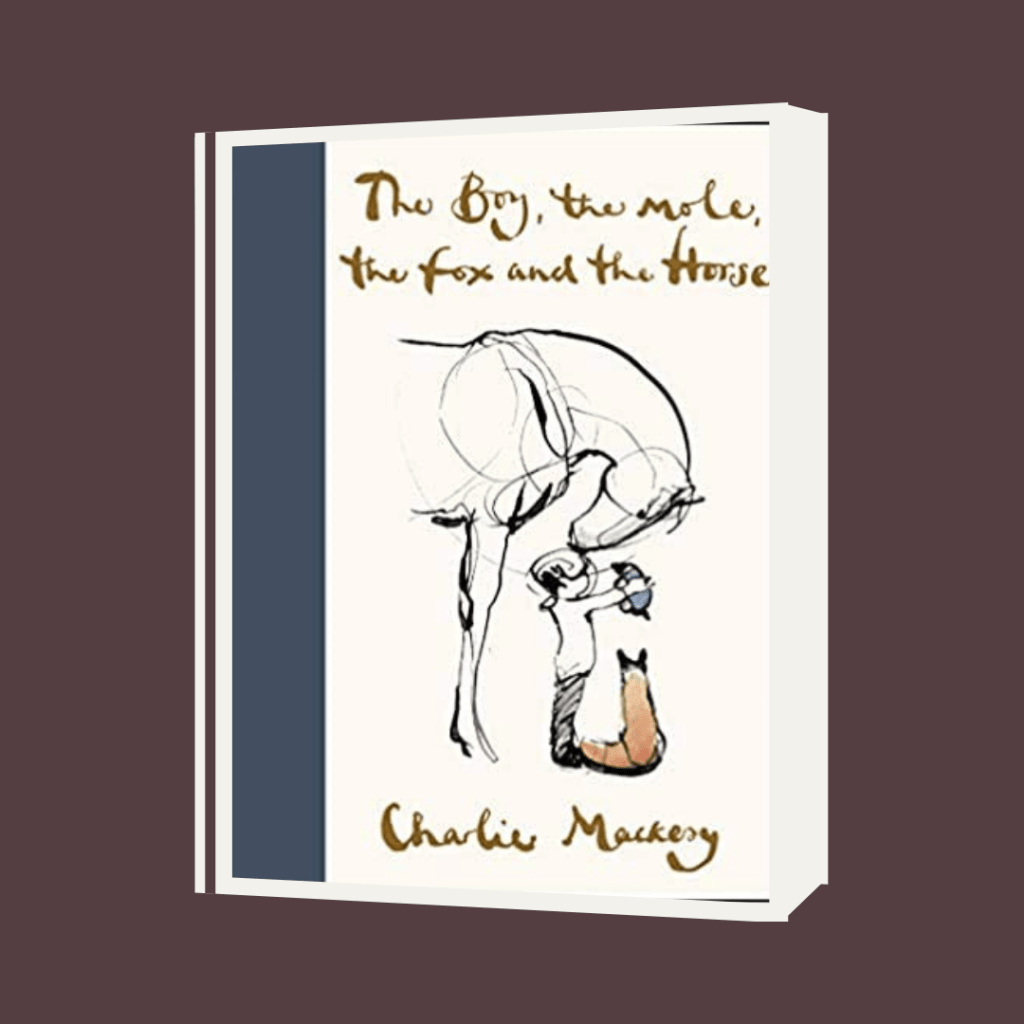
The Boy, the Mole, the Fox and the Horse (2019) by Charlie Mackesy explores themes of hope, courage, and love, born from the author’s grief after losing a close friend. Its reflections on bravery and asking for help resonate deeply, offering comfort to those navigating loss.
#12 – A Grief Observed, C.S. Lewis

A Grief Observed (1961) is C.S. Lewis’s deeply personal account of his grief after losing his wife, Joy Davidman, to cancer after four years of marriage. The book reflects on the turmoil of loss and explores whether faith can endure in the face of profound grief.
#13 – Catcher In The Rye, J.D. Salinger
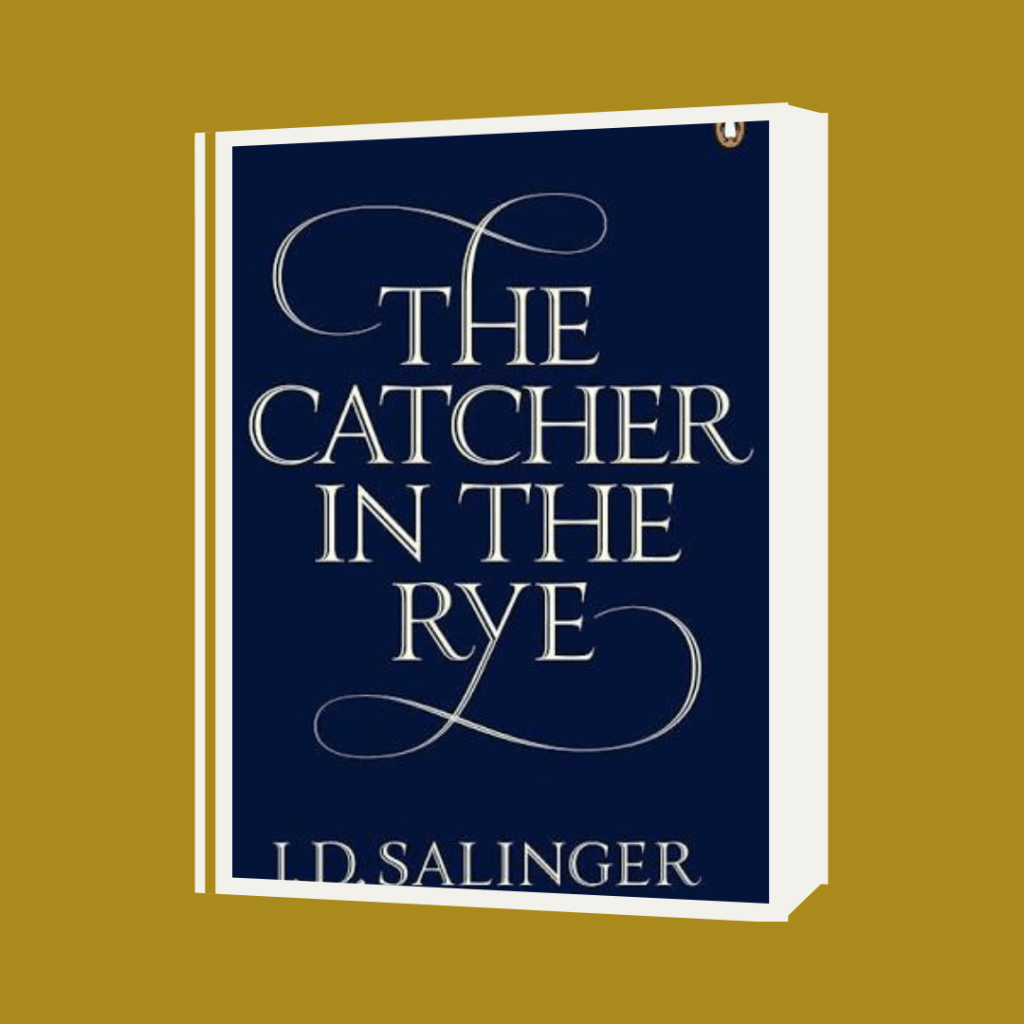
The Catcher in the Rye (1951) by J.D. Salinger explores loss, grief, and unresolved trauma. Protagonist Holden Caulfield mourns his brother Allie’s death but struggles to express his feelings in a family that avoids discussing grief, leading to his deep alienation.
#14 – The Madness of Grief, Richard Coles

The Madness of Grief (2021) by Rev. Richard Coles is a candid memoir written after the death of his partner, David. With humour and poignancy, Coles captures the complexities of grief — its banality, absurdity, and deep pain — revealing that even a clergyman is not immune to its challenges.
#15 – It’s OK That You’re Not OK, Megan Devine
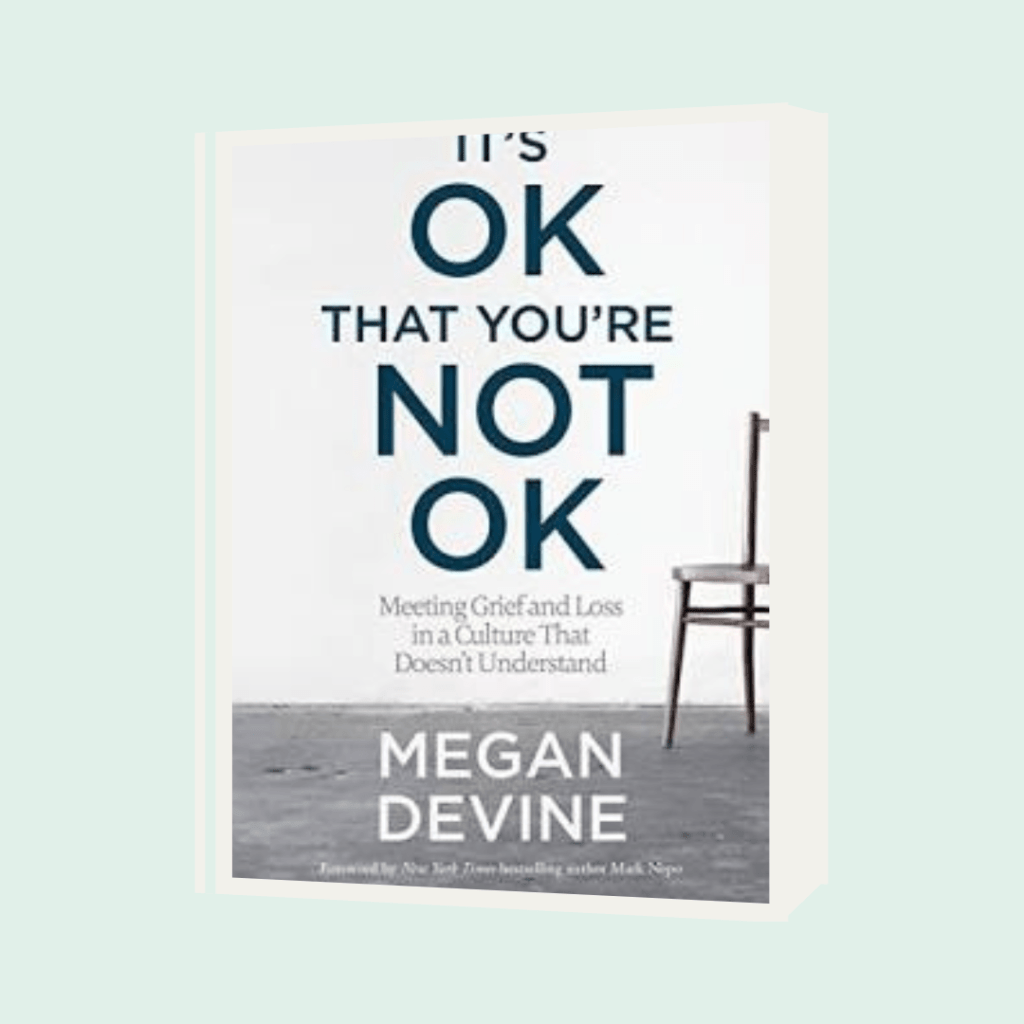
It’s OK That You’re Not OK (2019) by Megan Devine challenges society’s fixation on “fixing” grief. Devine describes grief as “love in its most wild and painful form” and encourages readers to accept it as a natural response to loss. Her approach emphasises embracing grief rather than trying to overcome it, recognising it as an integral part of love and loss.
#16 – Jane Eyre, Charlotte Brontë

Jane Eyre (1847) by Charlotte Brontë blends Victorian and Gothic themes, exploring death, grief, and the supernatural. Jane matures through her encounters with loss, including her transformative bond with Helen Burns, whose acceptance of death deeply influences her. The novel’s Christian undertones reflect Victorian beliefs.
#17 – Strangers, Taichi Yamada
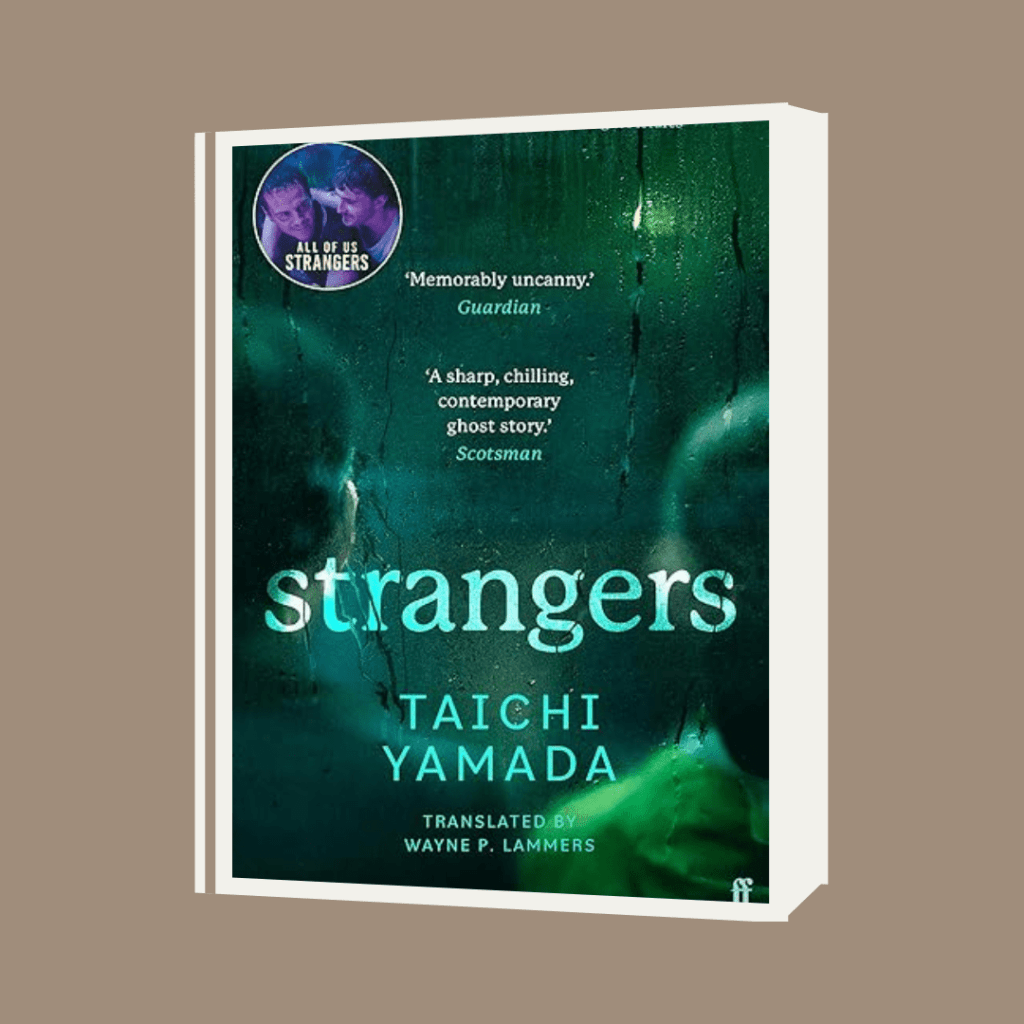
Strangers (1987) by Taichi Yamada follows Harada, a middle-aged, divorced screenwriter seeking connection. After visiting his childhood home, he encounters a man who resembles his deceased father. Set in a rundown Tokyo apartment building, the novel explores themes of isolation and grief.
#18 – What To Do When I’m Gone, Suzy Hopkins & Hallie Bateman

What To Do When I’m Gone (2021) is a survival guide by Hallie Bateman and her mother, Suzi Hopkins. Prompted by Hallie’s fear of losing her mum, Suzi shared her wisdom, creating this witty, moving, and practical guide to coping with loss.
#19 – Tear Soup, Pat Hwiebert & Chuck DeKlyen

Tear Soup (2005) is a thoughtful children’s book that resonates with readers of all ages. It tells the story of Grandy and Pops, who cope with a profound loss by making “tear soup.” The metaphor of cooking offers a relatable, hands-on way to explore grief, making it particularly accessible for young readers while remaining meaningful for adults.
#20 – Wintering, Katherine May
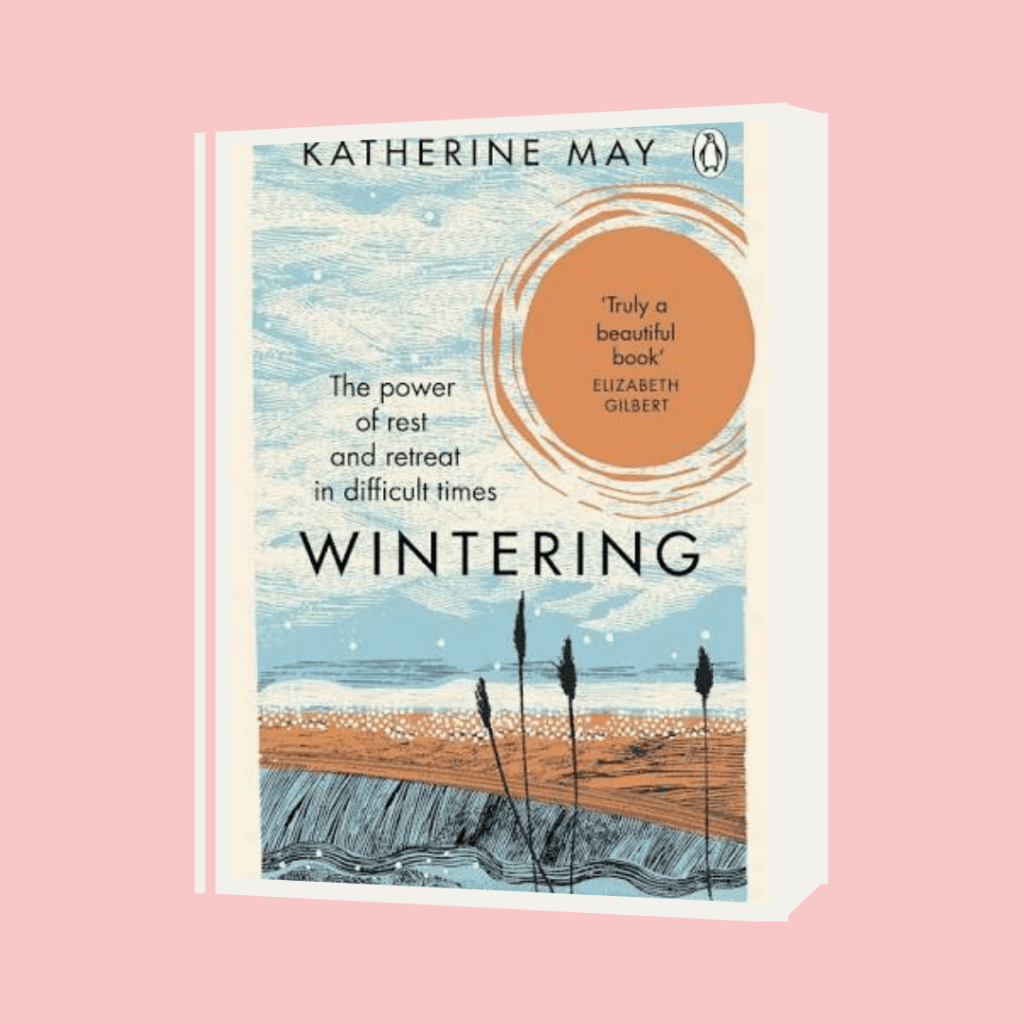
In Wintering (2020), Katherine May redefines how we view difficult times, urging acceptance over resistance. Drawing parallels to animals in hibernation, May weaves personal stories with mythology, nature, and literature, encouraging introspection and finding solace in retreat.
#21 – Wuthering Heights, Emily Brontë
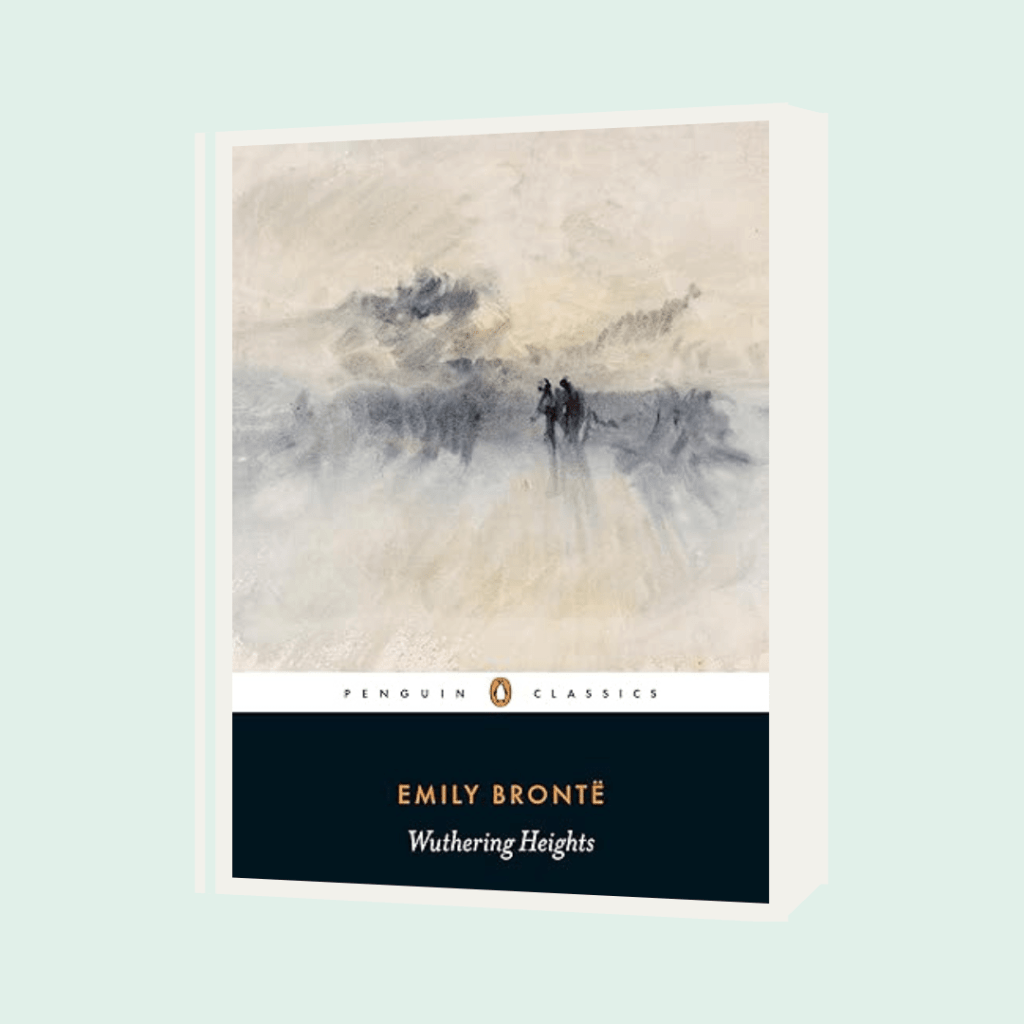
Wuthering Heights (1847) by Emily Brontë examines the intense love and turmoil between Cathy and Heathcliff, strained by class barriers. Themes of class, morality, and the afterlife intertwine with the novel’s exploration of grief and its destructive potential. Dreams play a pivotal role, linking characters to a world beyond the tangible.
#22 – Bright Poems for Dark Days, Julie Sutherland, Carolyn Gavin
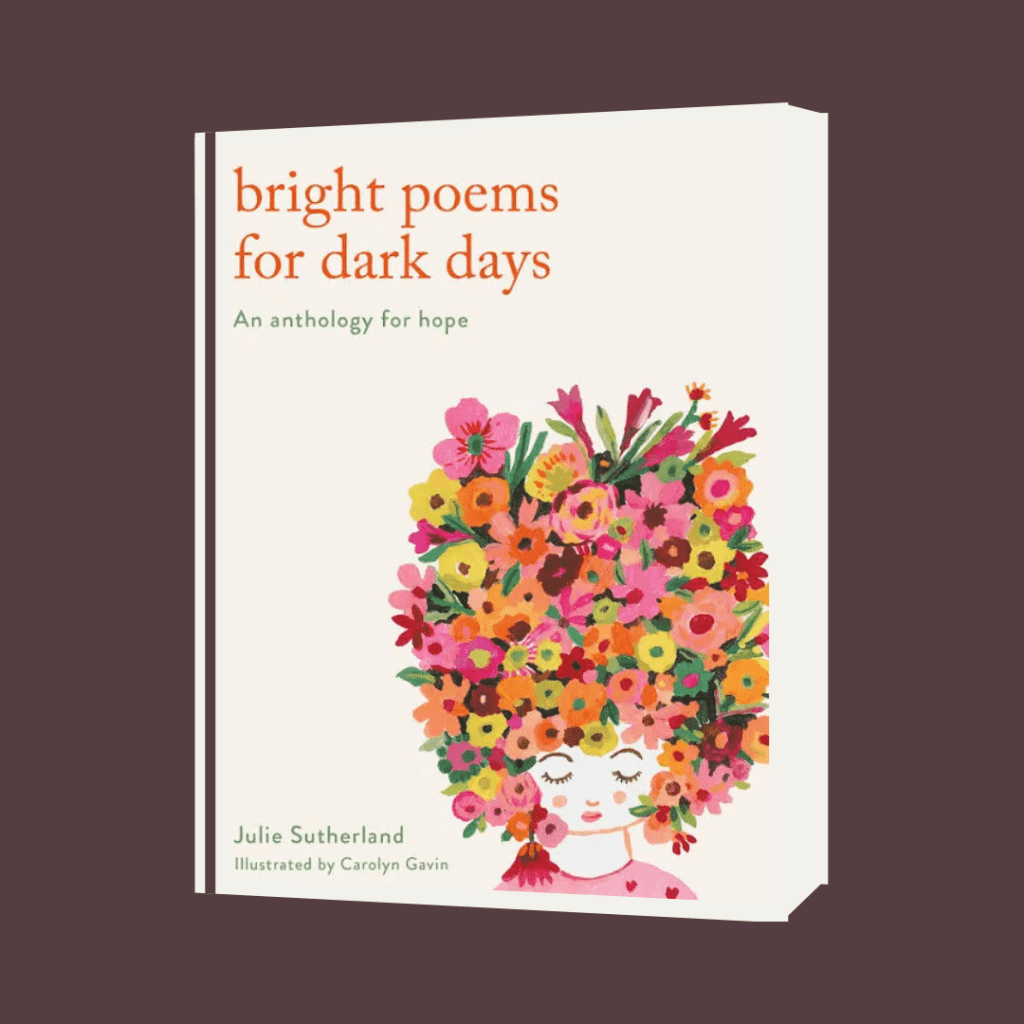
This 2021 poetry anthology offers reflections on hope, resilience, love, nature, and more, curated into eight thematic sections. Featuring writers like Oscar Wilde, Emily Dickinson, and Carol Ann Duffy, it pairs thoughtful poems with cheerful illustrations, providing solace and inspiration.
#23 – Strangers, Taichi Yamada

Modern Loss (2018) by Rebecca Soffer and Gabrielle Birkner explores grief in the digital age through essays and illustrations. Drawing on personal loss, it fosters open conversations about death with empathy and humour.
#24 – In Memoriam A.H.H.,
Alfred Lord Tennyson

This 1850 elegy by Alfred Lord Tennyson honours his friend Arthur Henry Hallam, famously declaring, “‘Tis better to have loved and lost than never to have loved at all.” Through three depictions of Christmas, it reflects on time and the struggle to comprehend a young life cut short.