

Some coping strategies after a bereavement could make grieving worse, University of Oxford study finds

By Dr Kirsten Smith, University of Oxford and unpaid trustee of The Loss Foundation
Grieving is normal and to be expected after a loved one dies. But what makes it particularly severe for some individuals, and could learning more about this help us develop better treatment options and support?
This was the question I set out to answer in my research at the University of Oxford. Grief has been my academic speciality since qualifying as a Clinical Psychologist and alongside my academic work I continue to play an active role at The Loss Foundation. I believe that research could help us develop evidence-based insights to improve the way bereaved people are supported when they need it most.
My research looked at data from nearly 300 bereaved adults. We found the coping strategies people turn to in the first few months after a bereavement could predict how long and severe the grieving process will be.
🌱 Grow with our courses
Explore our courses – including Mental Health: Supporting Ourselves and the Grief Journey Workbook – on our dedicated Grief & Mental Health Training page.


I am a strong believer that we all cope with grief in the best way we can. However, through my research I’ve discovered there may be behaviours or circumstances that could inadvertently make it worse. I hope that by better understanding why, we can better predict who is likely to need the most support as well as improve treatment options for all.
While grieving is normal and to be expected after a loved one dies, some people experience a prolonged and severe form of grief, at levels requiring clinical treatment.
The study identifies several factors that could lead to this extended period of severe grief. The people found most likely to suffer from it were:
- Parents who had lost a child;
- People who engaged in ‘unhelpful’ coping strategies such as avoidance of reminders of their grief and ruminative repetitive thinking;
- People whose memories of their loss were intrusive and distressing;
- People for whom the loss changed the way they thought about themselves, the world, and others.
Participants who did not engage in unhelpful coping strategies saw the biggest reduction in their experience of grief, even if it started at severe levels.
I hope the study can raise hopes of better targeted treatment for those who could now be predicted to be most affected. If the right ‘cognitive factors’ – the way people think, remember, and respond – could be targeted, it could help alleviate the symptoms of severe grief.
We urgently need better, evidence-based treatments and support for people who’ve been bereaved. There is enormous potential.
Dr Erin Thompson, founder of the Loss Foundation charity, said: “The current levels of support available for people who have lost loved ones is a national scandal. This study shows not just the terrible impact if severe grief goes untreated, but also offers hope – with the right support, bereaved people could find enormous relief in their symptoms, allowing them to learn to live with their loss.”
The research, carried out with Prof Anke Ehlers, studied 275 bereaved adults and gathered data at three points – in the first six months after their loss, 6-12 months after, and 12-18 months after.
The results of the paper, Cognitive Predictors of Grief Trajectories, were published in the Journal of Consulting and Clinical Psychology in October 2019.
🧠 Explore How the ‘Stages of Grief’ Work
The “stages” of grief are one of the most familiar frameworks people turn to when trying to understand loss – yet they’re often interpreted too literally.
Our Stages of Grief guide breaks down where the model came from, what each stage represents, and how it can offer insight without suggesting grief moves in tidy steps.
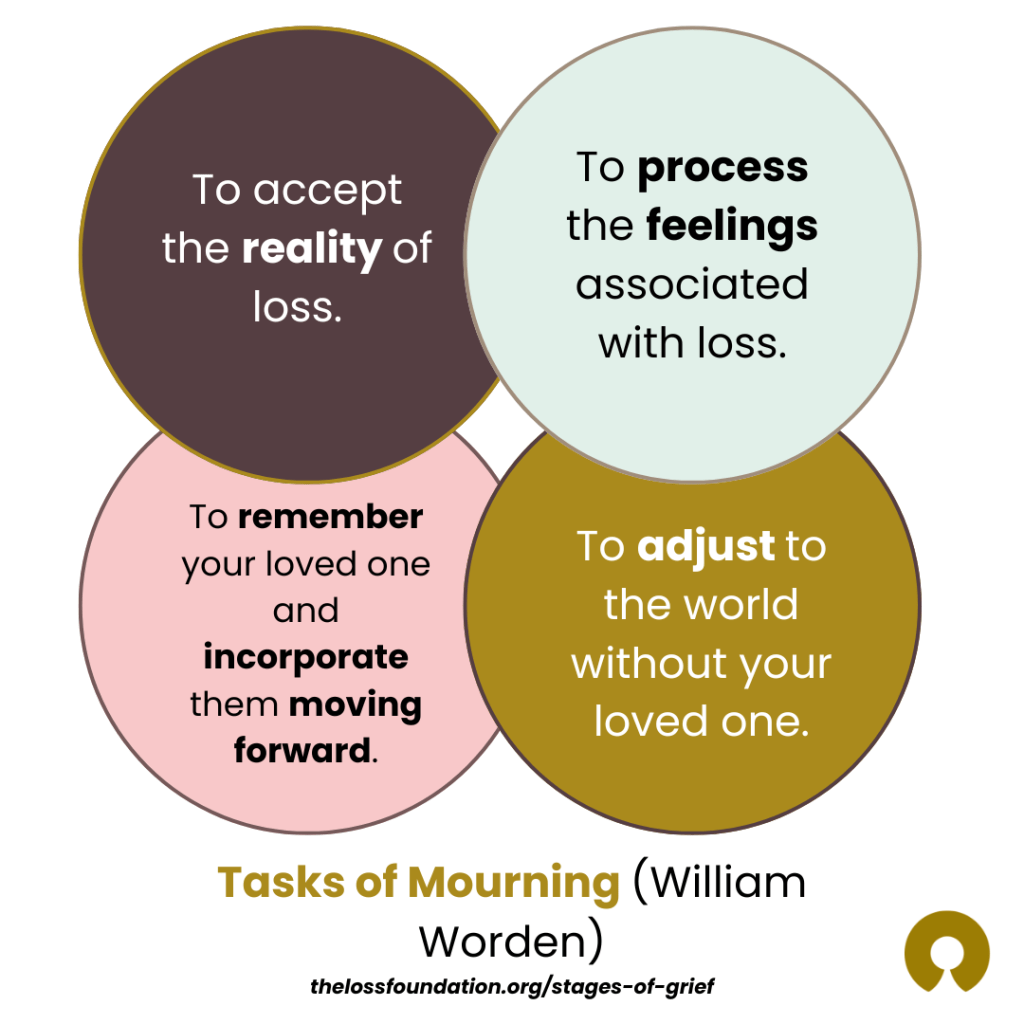
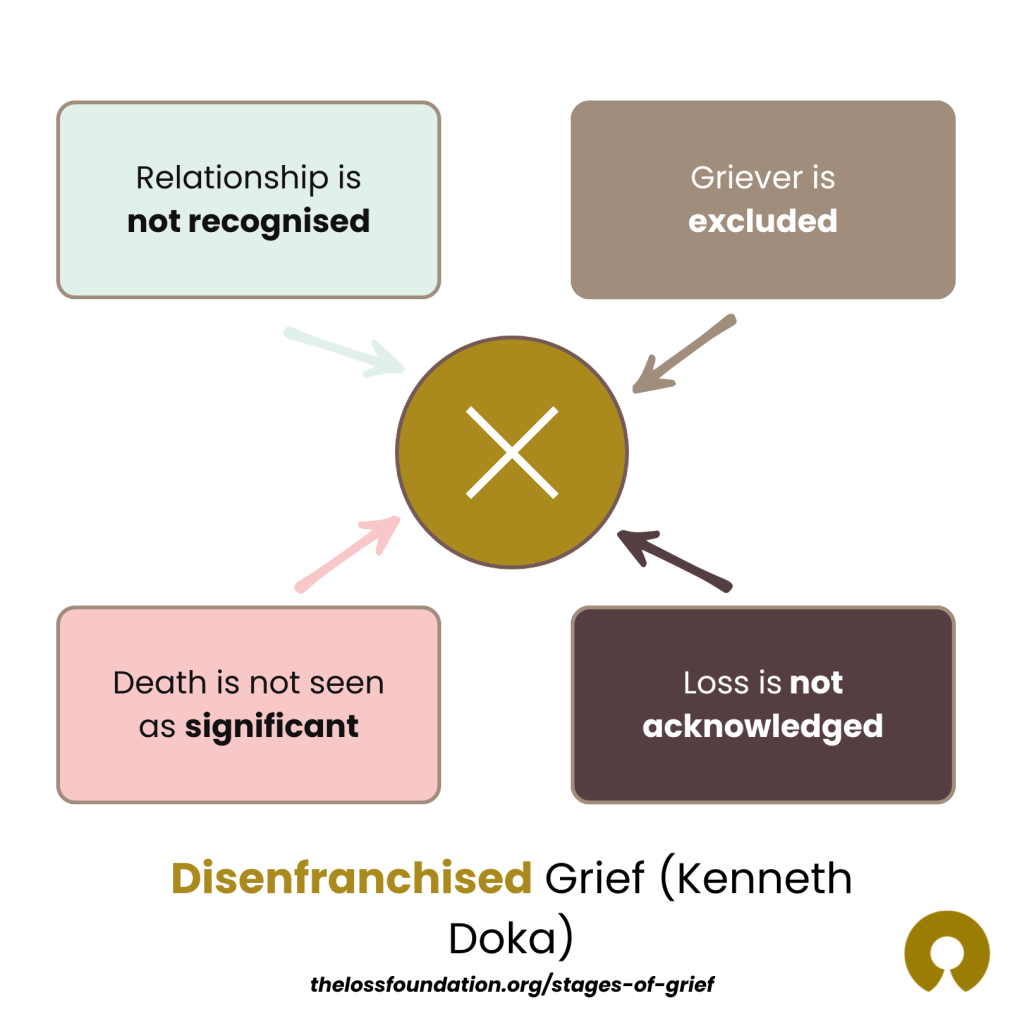
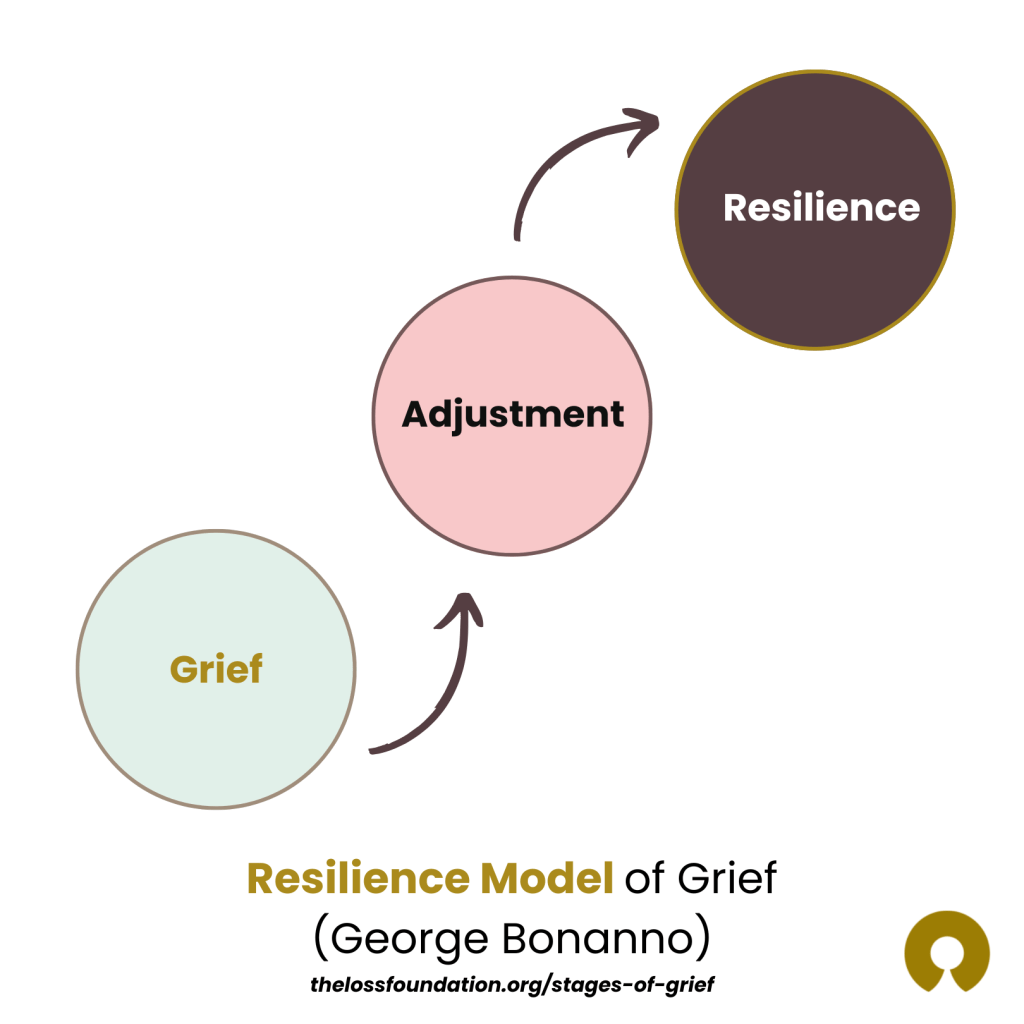

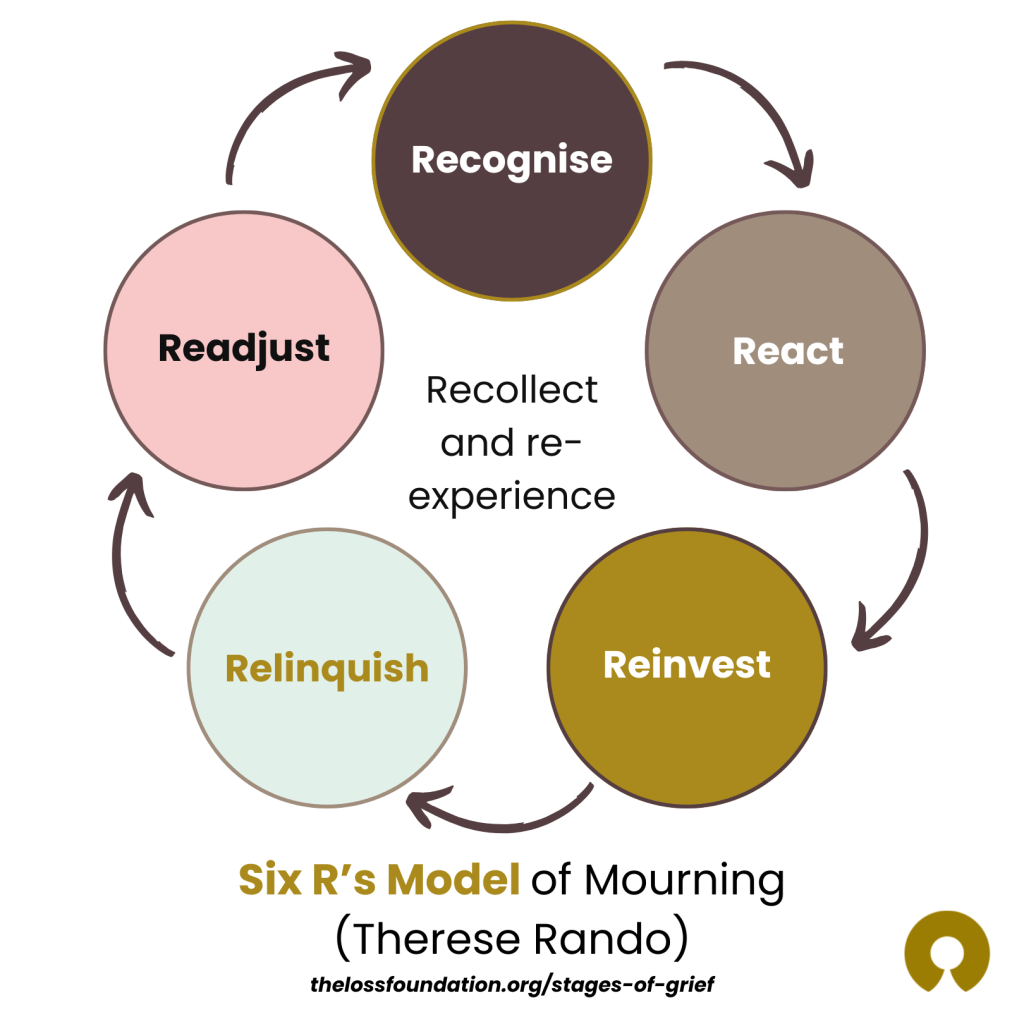

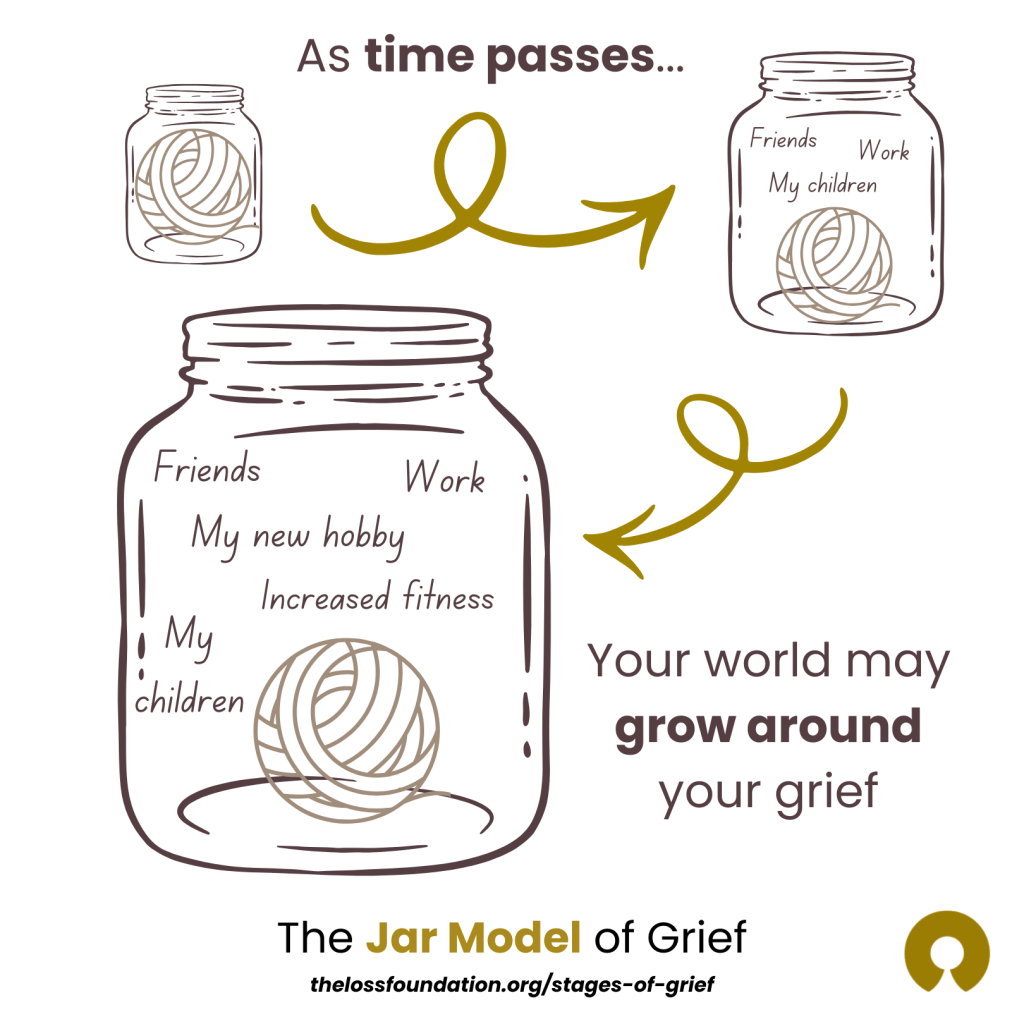
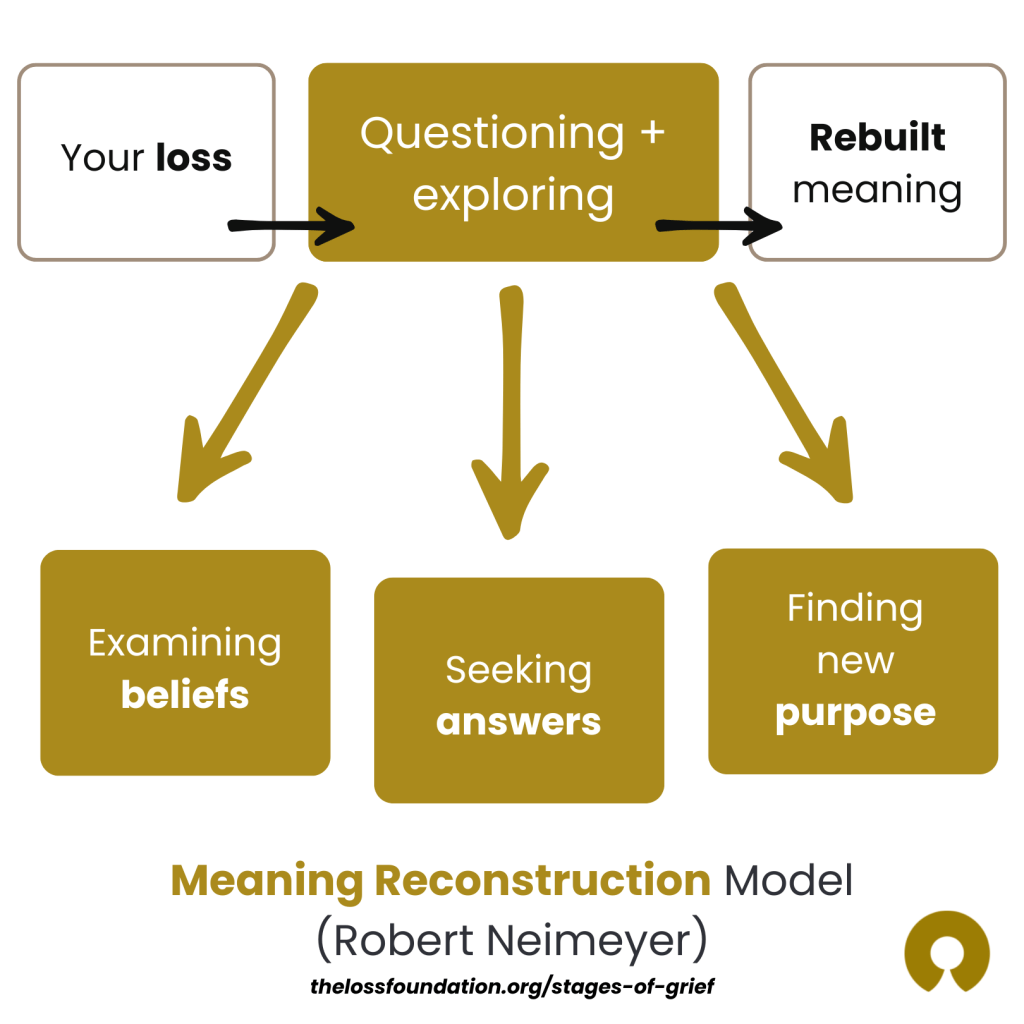
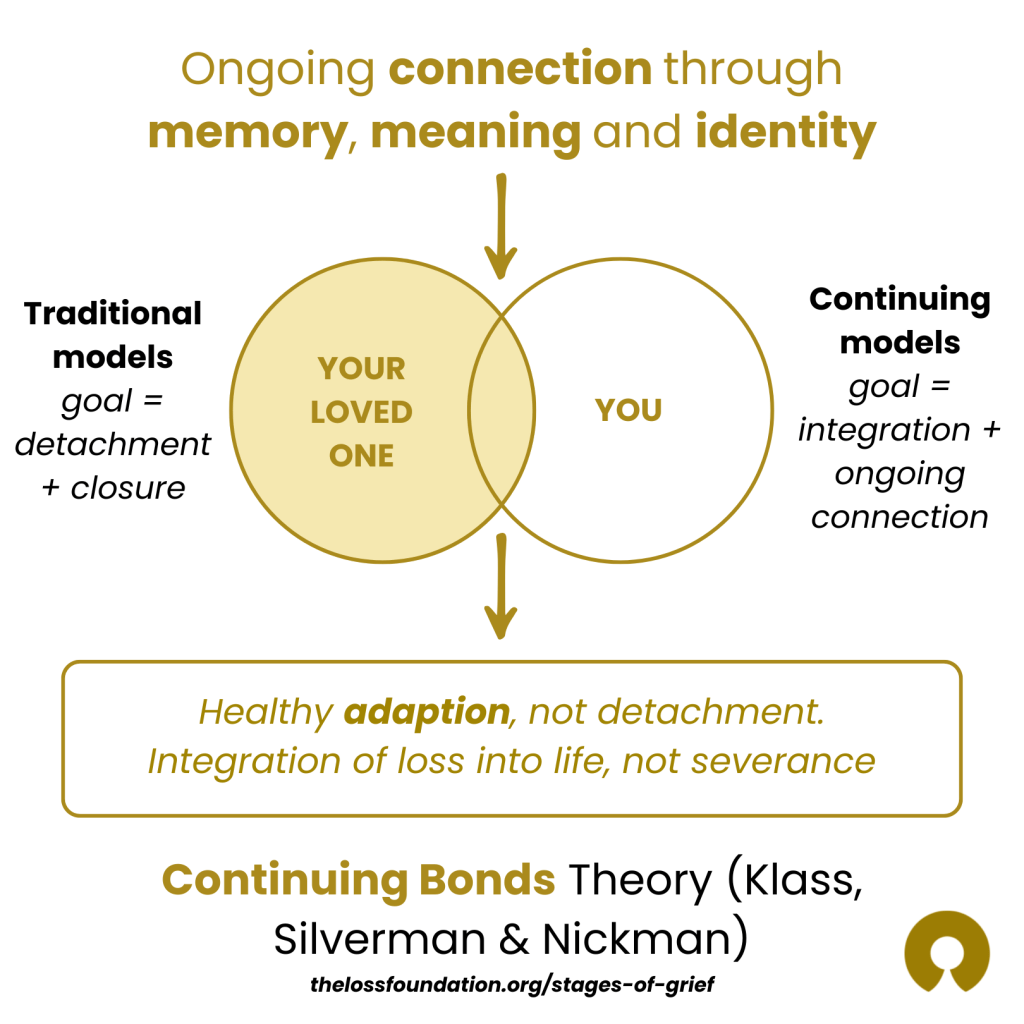

Explore the page to learn:
🧭 Why grief shifts over time rather than progressing in order
🌊 How emotions can rise and fall in waves
🧩 Other grief models that may resonate more deeply with your experience