Grief is often described as an emotional storm that leaves you feeling mentally drained and physically exhausted. Over time, many wonder if the pain and stress of grief can actually age a person.
While grief itself doesn’t directly “age” you in the traditional sense, the prolonged stress and emotional toll of losing a loved one can certainly have an impact on your body, mind, and overall well-being.
The Physical Effects of Grief
When you experience a significant loss, your body undergoes a range of emotional and physical responses. Stress hormones like cortisol are often elevated, which, over time, can have a detrimental effect on your health. Chronic stress has been linked to a variety of physical conditions, including:
- Increased risk of heart disease: Stress and emotional pain can raise blood pressure, weaken the immune system, and increase inflammation—all factors that contribute to heart disease.
- Sleep disturbances: Grief often disrupts sleep patterns, leading to poor-quality sleep, which can affect everything from mood regulation to cognitive function.
- Muscle tension and pain: Grief can manifest physically in the form of muscle tightness, headaches, and even digestive issues.
These physical responses can make you feel physically “older” as your body works harder to cope with the strain of grief.
🌱 Grow with our courses
Explore our courses – including Mental Health: Supporting Ourselves and the Grief Journey Workbook – on our dedicated Grief & Mental Health Training page.


Grief’s Effect on the Mind
Beyond the physical, grief also affects your mental and emotional health. The constant rumination on a loss can lead to feelings of anxiety, depression, and a sense of helplessness. When you’re stuck in an emotional cycle of sadness or fear, it can impair your cognitive function and ability to focus.
Additionally, prolonged grief can contribute to a more pessimistic view of life, which, according to some studies, can make you feel older. People who experience chronic sadness or hopelessness are more likely to show signs of emotional exhaustion, which can impact self-esteem and overall outlook on life.
How Grief Accelerates the Aging Process
There is no denying that grief can feel like a burden on your body, mind, and spirit, but it’s not necessarily the grief itself that “ages” you. Rather, it’s how you cope with that grief. If left unaddressed, grief can become chronic, which can increase your vulnerability to health issues. The prolonged stress and emotional distress can diminish your ability to focus on self-care, which, in turn, can accelerate the effects of aging.
However, it’s important to remember that people’s grief journeys are deeply personal, and the impact varies from person to person. Some people may experience physical and emotional symptoms for months or even years, while others might navigate their grief more quickly with the right support system.
The Role of Self-Care in Grief
While grief may change your life, it doesn’t have to define your health or aging process. Taking steps to process your grief healthily can mitigate many of the physical and mental effects of the grieving process. Here are some ways to care for yourself while grieving:
- Rest and Sleep: Prioritize sleep and allow your body to recuperate. Lack of rest only compounds grief’s impact.
- Exercise: Even a gentle walk in nature can ease stress and release endorphins, helping to reduce the physical impact of grief on your body.
- Nutrition: Eating nourishing food is vital to replenishing your energy, supporting your immune system, and helping your body cope with stress.
- Seek Support: Talking to a trusted friend, family member, or therapist can help you process your emotions and prevent them from becoming overwhelming.
- Mindfulness and Relaxation: Practices like deep breathing, meditation, or yoga can help lower stress levels and promote emotional healing.
Reclaiming Your Vitality
Although grief can have a physical and emotional impact on your body and mind, it’s important to remember that with support and self-care, you can regain your strength and vitality. While grieving can feel like an exhausting journey, it is possible to heal and rebuild your life. Allow yourself the time and space to process the loss, and remember that healing is not linear.
Ultimately, how you care for yourself while grieving can significantly impact how you feel and how quickly you move through the process. By prioritising self-compassion, physical health, and emotional healing, you can minimise the effects of grief and embrace the possibility of growth and renewal after loss.
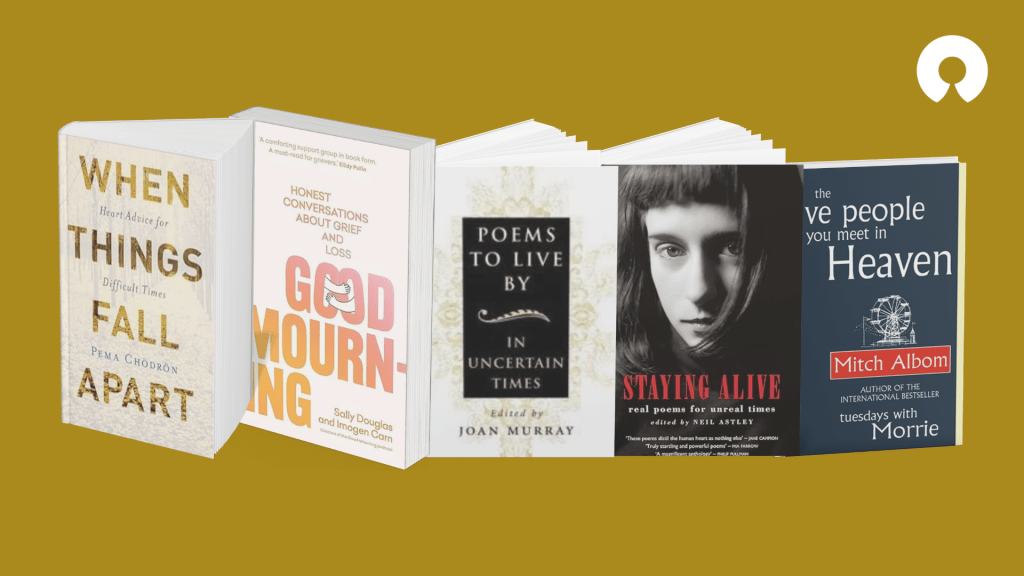
If you’d like to learn more about grief, visit our Books for Grief hub, where we recommend books that offer comfort, insight, and support during your healing journey. Whether you’re looking for guidance, personal stories, or advice on coping with loss, our curated collection can help you navigate the complexities of grief with understanding and compassion.
Photo by Heather Zabriskie on Unsplash
Grief Worksheets
Grief, sleep and anxiety worksheets for grieving individuals & mental health professionals.

We’ve developed worksheets on grief processing, anxiety, and sleep specifically for grieving individuals, created by Clinical Psychologist Dr. Erin Hope Thompson MBE, Director and Founder of The Loss Foundation.
“These worksheets aim to shed light on your grieving process and equip you with tools to care for yourself in grief.
We stand by you and hope these resources provide comfort and guidance.”
Dr Erin Hope Thompson MBE – Founder and Director of The Loss Foundation
-
Product on sale
 Grief Processing Worksheet BundleOriginal price was: £10.00.£7.50Current price is: £7.50.
 -
Product on sale
 Sleep Better Worksheet BundleOriginal price was: £10.00.£7.50Current price is: £7.50.
 -
Product on sale
 Anxiety Worksheet BundleOriginal price was: £10.00.£7.50Current price is: £7.50.