

Grief exhaustion, the deep physical and emotional fatigue that often accompanies loss, varies greatly from person to person. While there’s no universal timeline, understanding the factors influencing this type of fatigue can provide clarity and reassurance.
Why Does Grief Cause Exhaustion?
Grief places immense stress on the mind and body. It can disrupt sleep, appetite, and focus while triggering physical symptoms such as muscle tension, headaches, and fatigue. This exhaustion stems from the constant mental and emotional processing required to cope with loss.
🌱 Grow with our courses
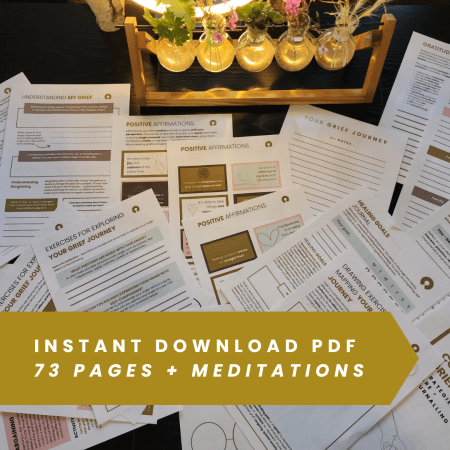
Explore our courses – including Mental Health: Supporting Ourselves and the Grief Journey Workbook – on our dedicated Grief & Mental Health Training page.

Typical Duration of Grief Exhaustion
There’s no fixed answer, as each person’s grief journey is unique. However, many people experience the most intense exhaustion in the early weeks or months after a loss. This period coincides with the acute stage of grief, where emotions like shock, sadness, and anger are most pronounced.
For some, this fatigue may ease as they adjust to their “new normal,” often within 6-12 months. Others may experience lingering exhaustion for years, particularly if the loss was traumatic or accompanied by unresolved emotions.
Factors That Affect Duration
- Nature of the Loss: The closer and more sudden the loss, the more intense the exhaustion may feel.
- Support Systems: A strong support network can alleviate some of the mental burden.
- Personal Coping Style: Those who internalise emotions may experience prolonged fatigue compared to those who openly express their grief.
- Physical Health: Pre-existing health conditions or sleep disturbances can prolong recovery from grief exhaustion.
Coping with Grief Exhaustion
Though grief exhaustion is a natural response, there are ways to manage its impact:
- Prioritise Rest: Allow yourself extra sleep and quiet moments without guilt.
- Seek Support: Talking with friends, family, or a counselor can lighten emotional burdens.
- Move Your Body: Gentle exercise, like walking, can help restore energy over time.
- Practice Self-Compassion: Accept that healing is not linear, and it’s okay to have days of low energy.
When to Seek Help
If grief exhaustion persists and interferes with daily life long-term, it may signal conditions like depression or complicated grief. In these cases, seeking help from a mental health professional can provide relief and strategies for coping.
Grief exhaustion is a natural part of loss, but it won’t last forever. With time, self-care, and support, most people find their energy gradually returns, though timelines vary. Remember, grief is personal—be kind to yourself. Some people find comfort in reading; explore our Books for Grief for support.
Photo by Aron Visuals on Unsplash
📢 NEW: The Holiday Grief Workbook
What’s Inside:
🎯 Grief at Christmas – Wellbeing plan, coping & crisis plan, 5-min daily journal
🗓️ Mindset & Finding Meaning – Plan your holiday, positive affirmations, gratitude
🤝 Connecting with Others – Social plan, boundary setting, talking about grief
💌 Celebrating Your Loved One – Honour traditions, ways to remember, write a letter to your loved one
🧘♀️ Self-Care & Stress – Stress journal, mindful moments, anxiety affirmations, daily self-care checklist
😴 Restful Nights – Holiday sleep goals, sleep tips, sleep diary, brain dump to declutter your mind
-
 Holiday Grief Workbook$21.00
🧠 Explore How the ‘Stages of Grief’ Work
The “stages” of grief are one of the most familiar frameworks people turn to when trying to understand loss – yet they’re often interpreted too literally.
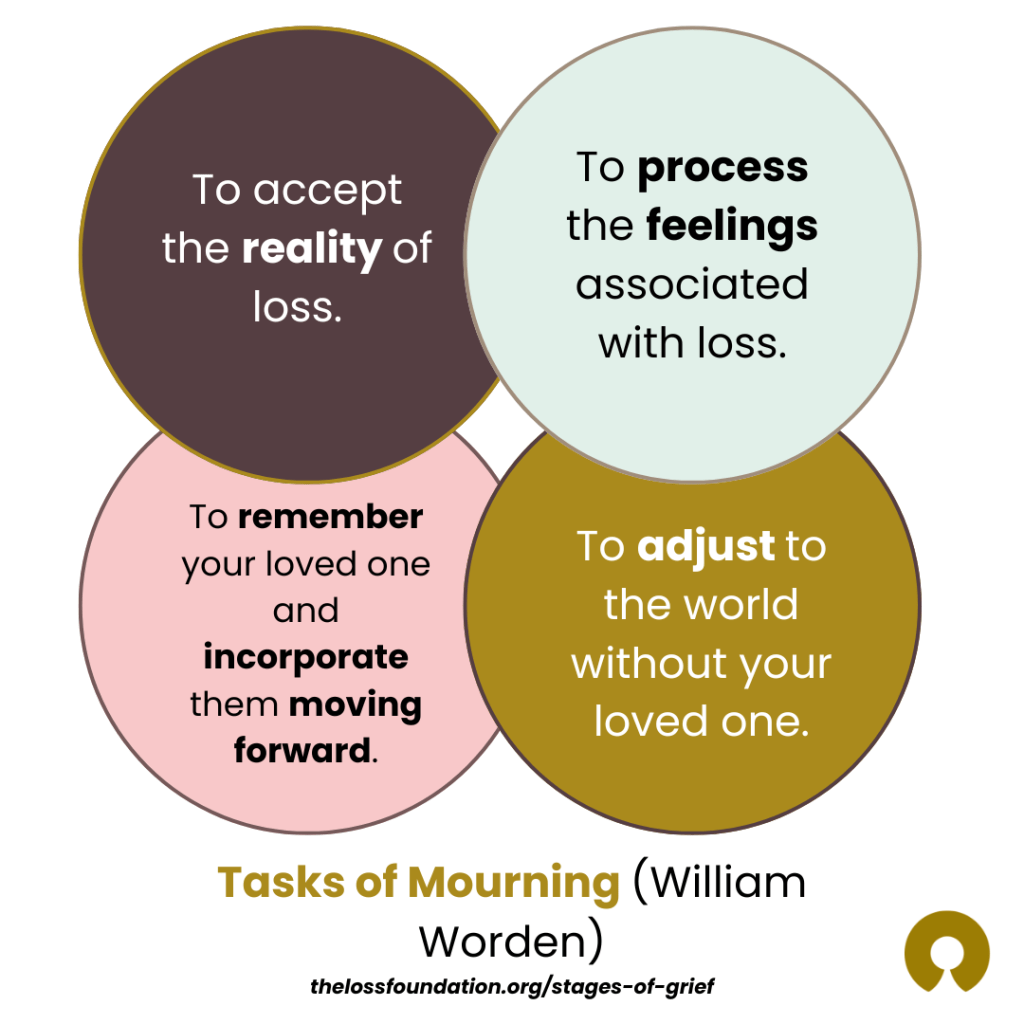
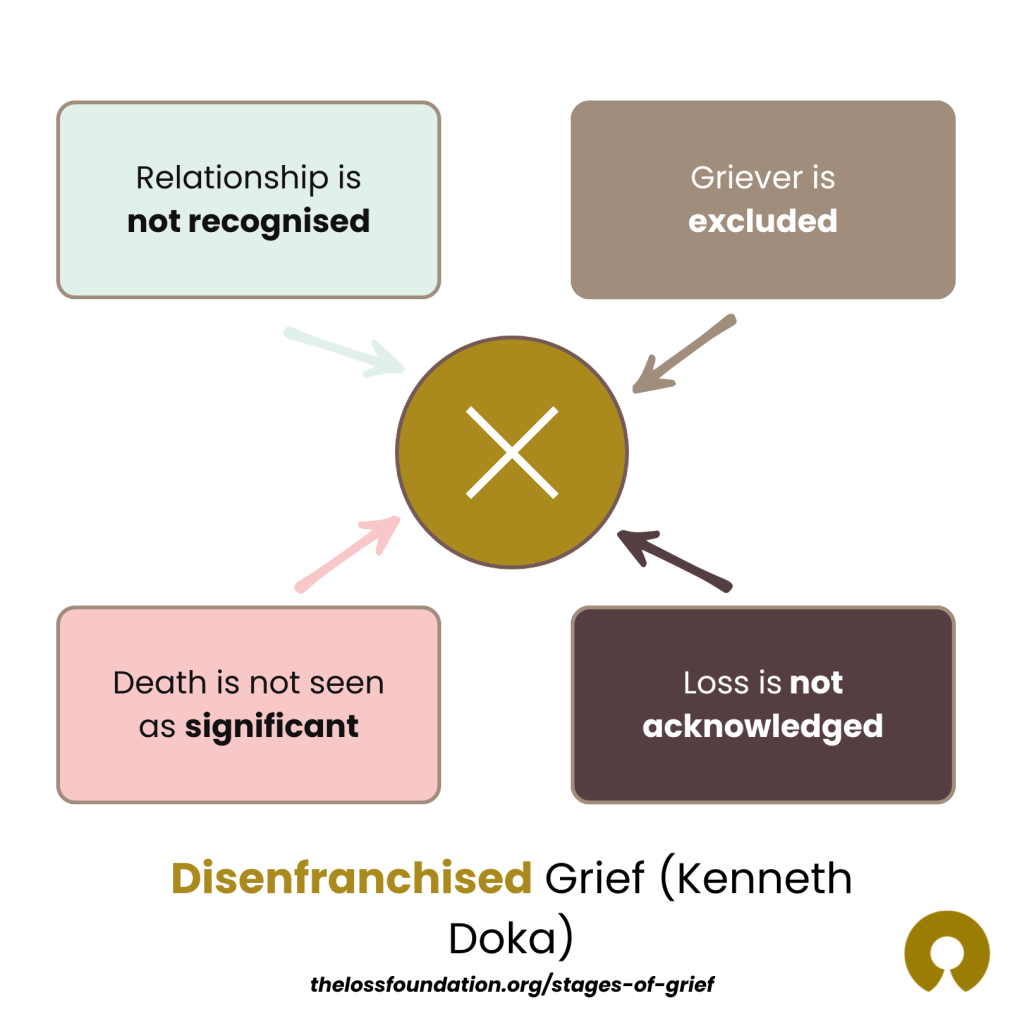
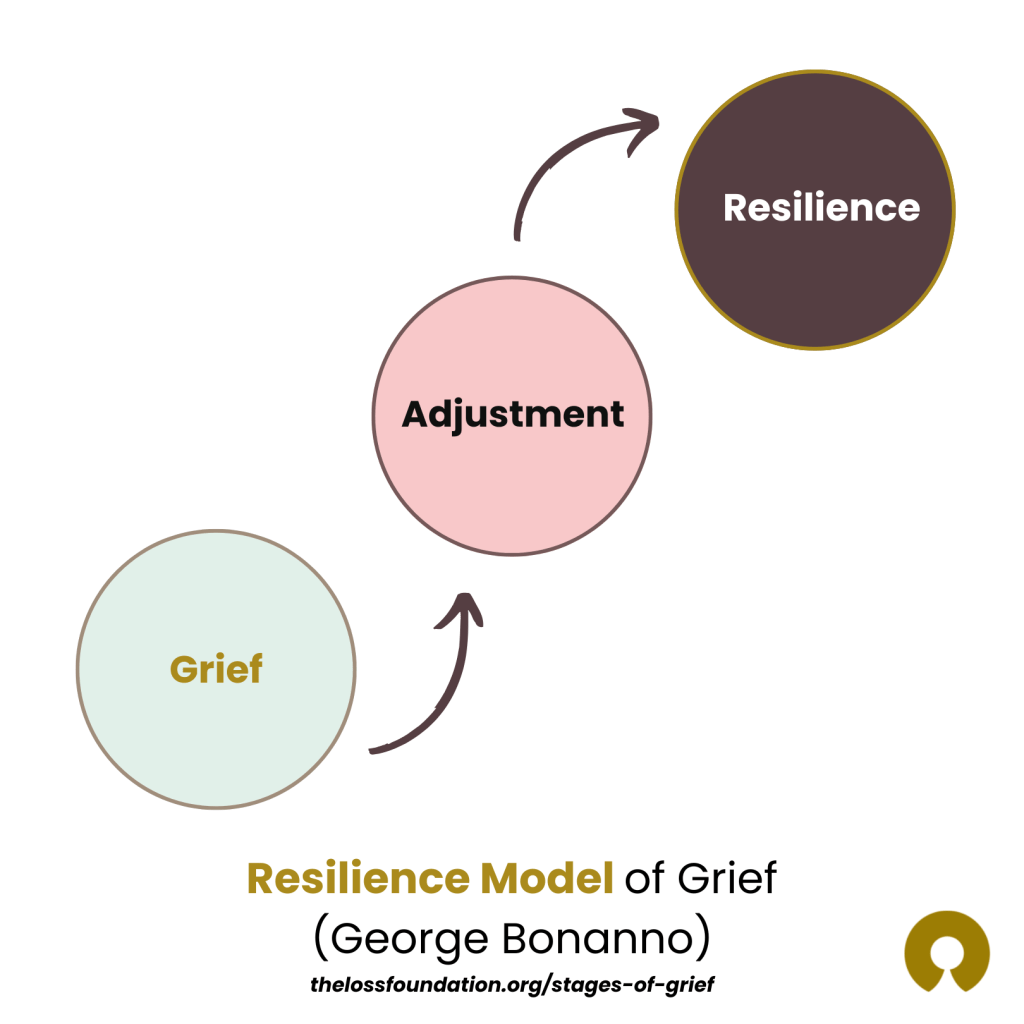
Our Stages of Grief guide breaks down where the model came from, what each stage represents, and how it can offer insight without suggesting grief moves in tidy steps.

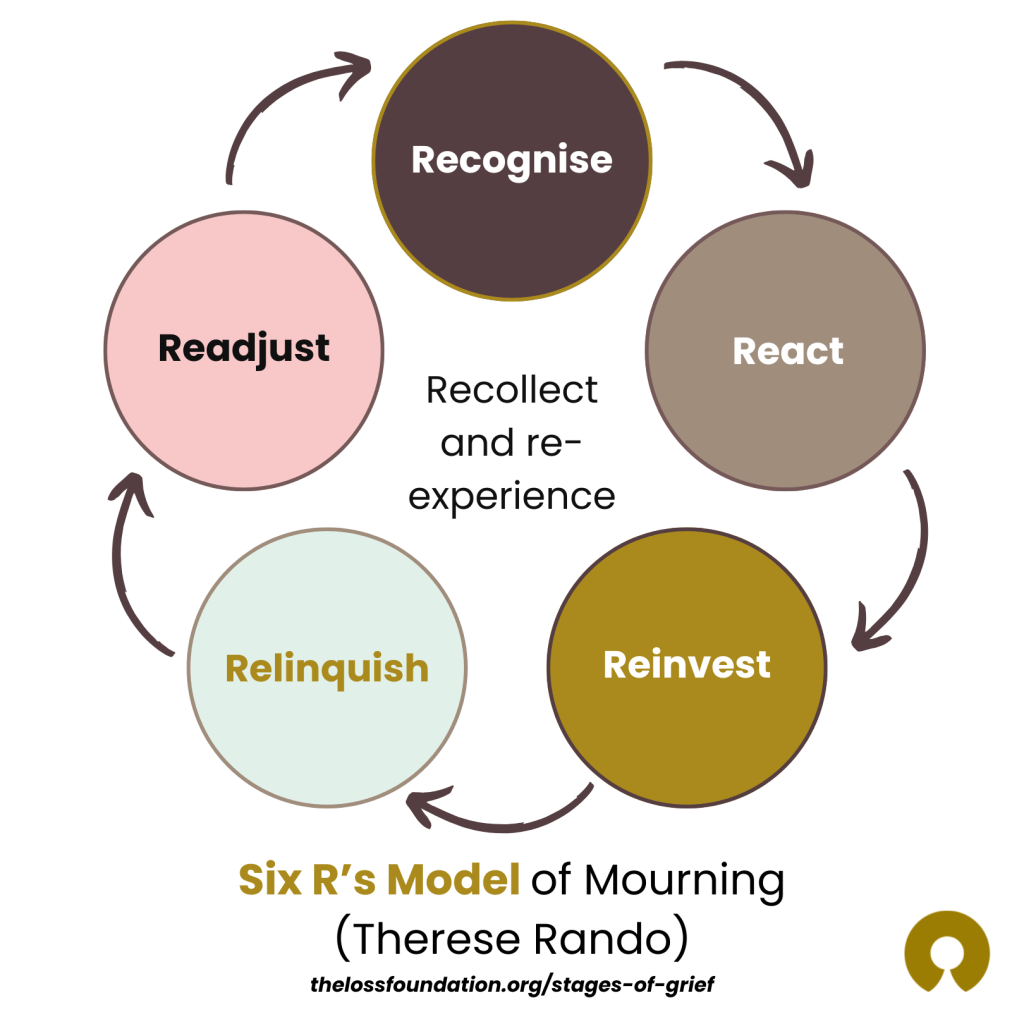

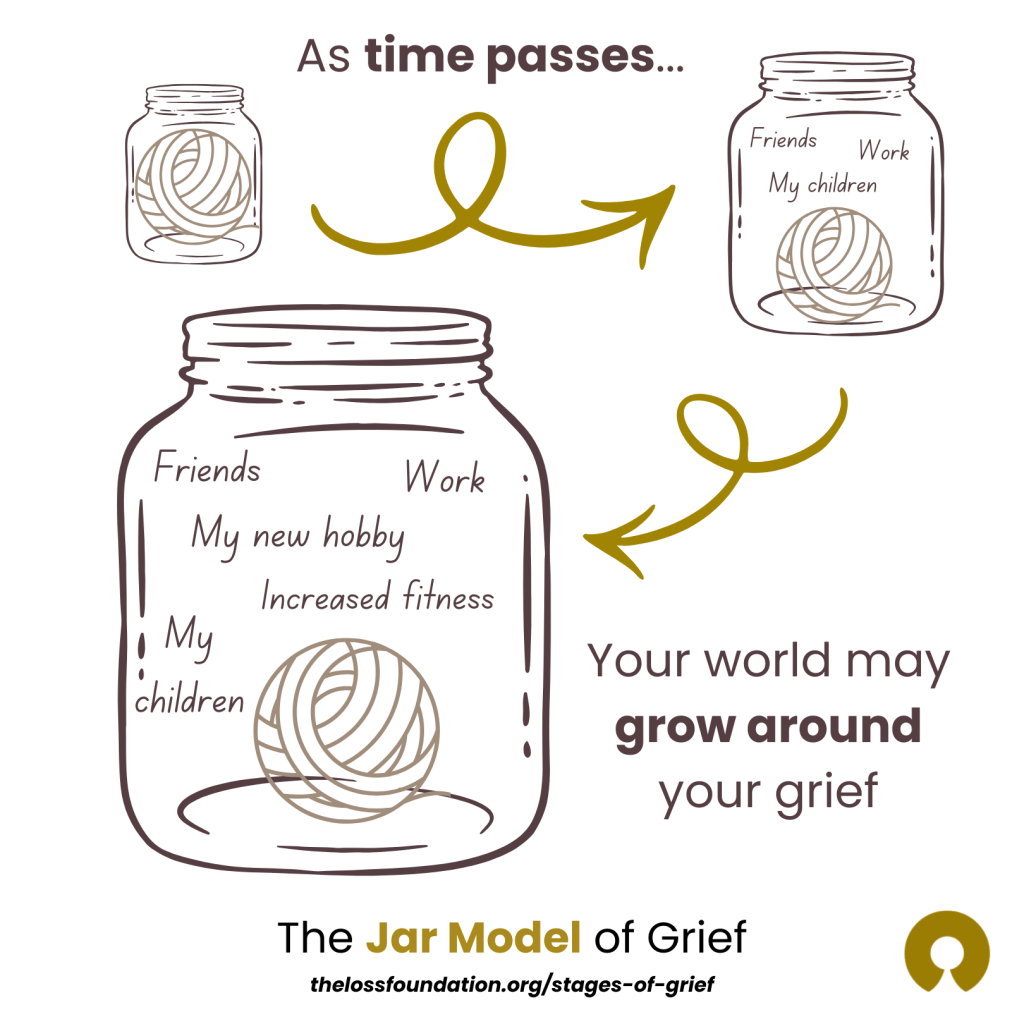
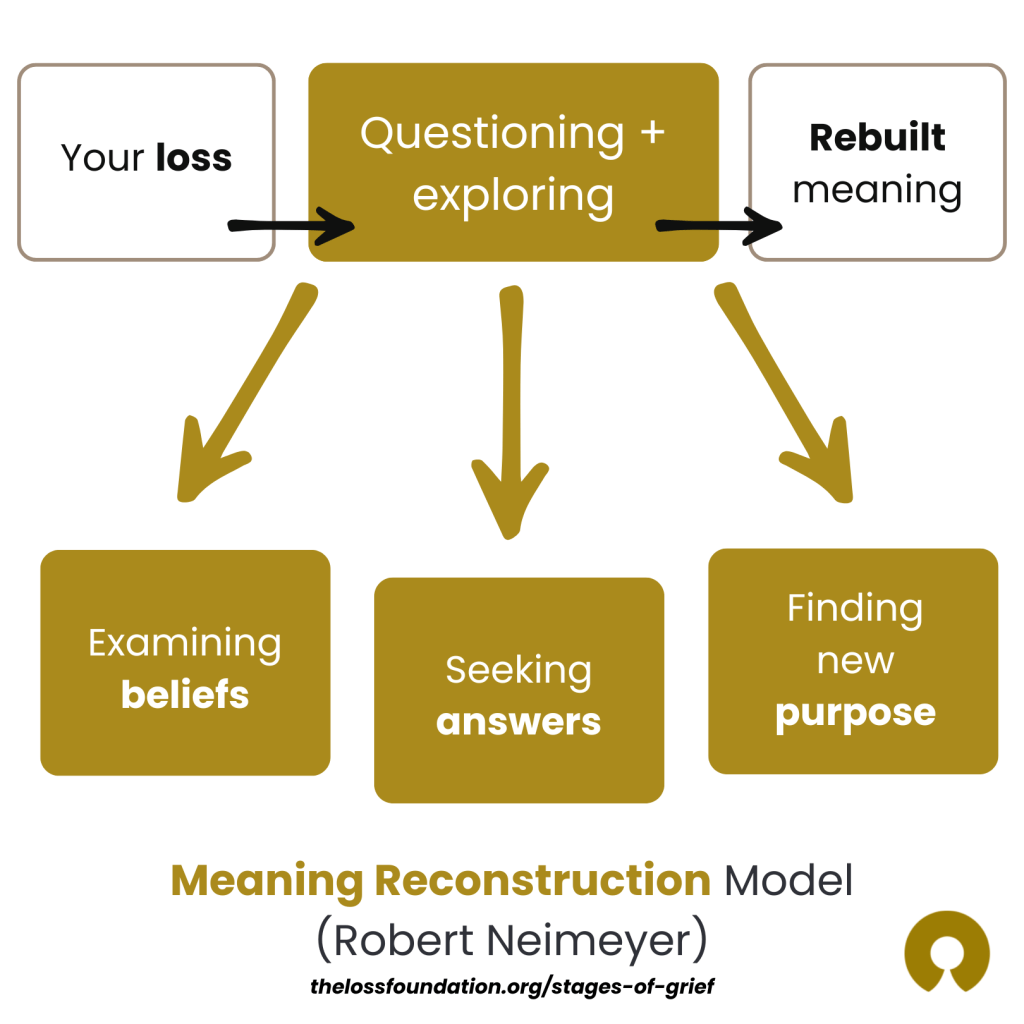
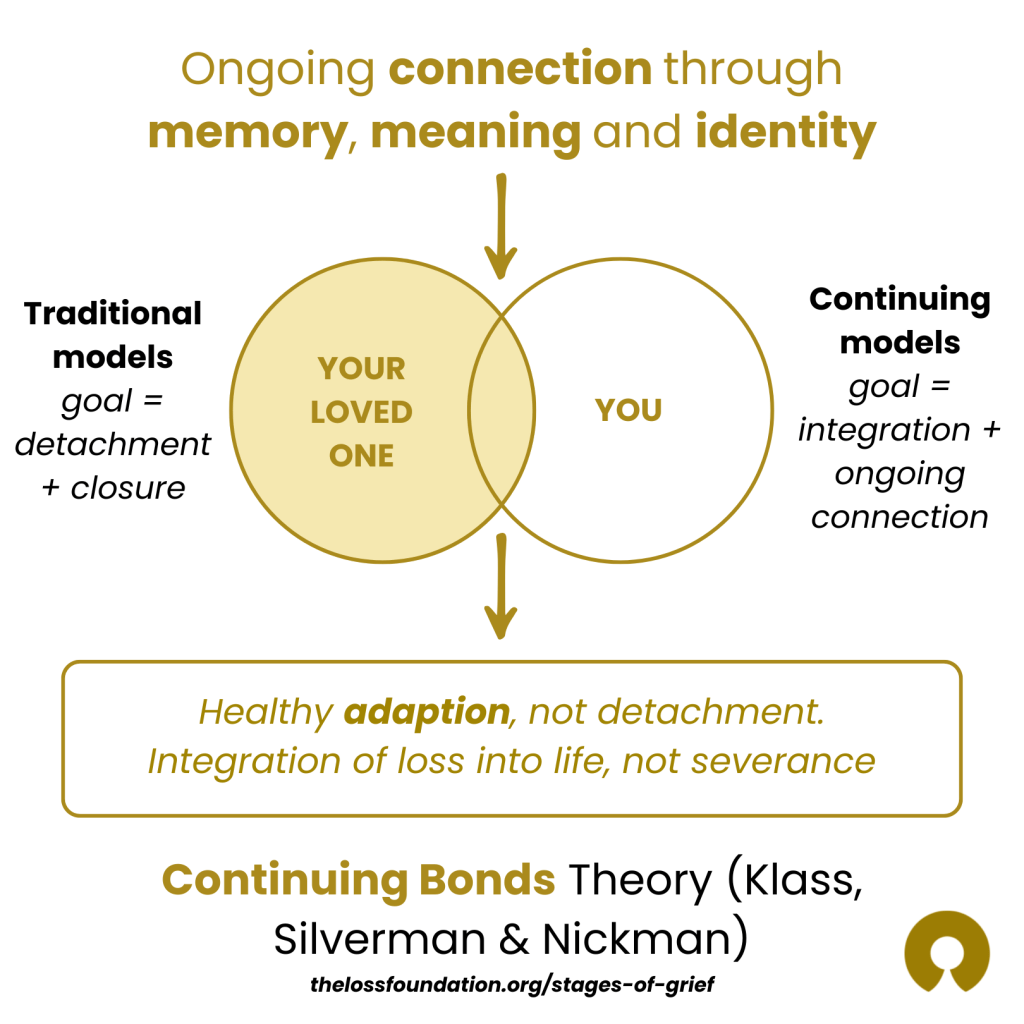

Explore the page to learn:
🧭 Why grief shifts over time rather than progressing in order
🌊 How emotions can rise and fall in waves
🧩 Other grief models that may resonate more deeply with your experience