

Grief is a deeply personal experience, and one that can often feel unpredictable and overwhelming. The path of grief doesn’t follow a linear trajectory, and emotions can ebb and flow in unexpected ways.
Some days, you might feel a sense of acceptance, and other days, the weight of loss may feel unbearable. This non-linear nature of grief is something that many people experience and can make it difficult to know how best to navigate this emotional journey.
🌱 Grow with our courses
Explore our courses – including Mental Health: Supporting Ourselves and the Grief Journey Workbook – on our dedicated Grief & Mental Health Training page.

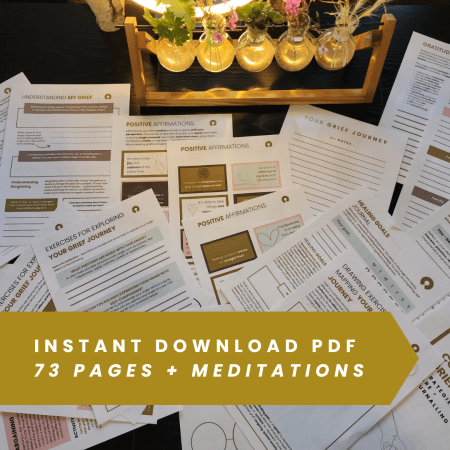
Meditation can be an incredibly helpful tool in supporting the grieving process, offering space for reflection, emotional release, and self-compassion. But if you’re wondering how often you should meditate to see benefits, the answer is that consistency is key. Like any new practice, it’s important to allow yourself the space to ease into it, adjusting your routine based on your needs and comfort level.
Starting with Daily Practice
For many, starting with daily meditation sessions can be beneficial. You don’t need to meditate for hours on end to see results—short, focused sessions of just 10-15 minutes each day can be enough to begin feeling the calming effects of meditation. The key is consistency. Just as with physical exercise, the benefits of meditation are cumulative, and practicing regularly will help you build a deeper connection with yourself, your emotions, and your grief. Visit our meditation and grief page for short mindfulness practices, starting from 1 minute and up.
Daily sessions help create a habit, making meditation a natural part of your routine. Over time, this regular practice helps you develop mindfulness and self-compassion, important elements when working through grief. Starting small makes it more likely that you’ll stick with it, rather than feeling overwhelmed by the thought of committing long periods of time.
This video provides a preview of our guided grief meditation. Available on a ‘Donate What You Can‘ basis.
Adjust Based on Your Needs:
- Listen to your body and mind — grief can be exhausting.
- On tough days, it’s okay to skip a session or reduce the length.
- Meditating a few times a week may be more effective for some.
- The frequency of meditation should be guided by what feels right for you.
Tips for the Most Effective Grief Meditation Practice
- Start Slow: If you’re new to meditation, start with shorter sessions (5-10 minutes) and gradually increase the duration as you become more comfortable.
- Create a Calm Environment: Find a quiet, comfortable space to meditate where you can relax without distractions. Lighting a candle or using calming scents can add to the peaceful atmosphere.
- Focus on Your Breath: In mindfulness meditation, the breath is a powerful anchor. When thoughts about your grief arise, gently bring your focus back to your breath. This helps you stay present without becoming overwhelmed.
- Use Guided Meditations: If you find it hard to meditate on your own, try using guided meditations focused on grief. These meditations can provide structure and gentle guidance, helping you stay connected with your emotions and foster healing.
- Be Kind to Yourself: Grief meditation isn’t about clearing your mind of all thoughts or achieving a perfect practice. It’s about being present with your emotions, whatever they may be. Be kind to yourself, and remember that any effort is progress.
- Be Patient: Grief doesn’t have a set timeline, and neither does the healing process through meditation. Give yourself the space to feel, process, and grow. Progress may be slow at times, but consistent meditation will gradually bring clarity, peace, and emotional resilience.
Finding Balance: Meditation and Grief – How Often Should You Practice?
Incorporating meditation into your grieving process can provide significant emotional support. While daily practice of 10-15 minutes is a good starting point, it’s essential to adjust your practice based on how you’re feeling. Grief is a non-linear process, and meditation offers a flexible tool to help you navigate your emotions with mindfulness, compassion, and patience.
By being consistent and kind to yourself, you will find that meditation gradually becomes a powerful tool in your grief journey.
If you’d like to explore more about how meditation can support your grief journey, visit our Meditation and Grief page.
🧠 Explore How the ‘Stages of Grief’ Work
The “stages” of grief are one of the most familiar frameworks people turn to when trying to understand loss – yet they’re often interpreted too literally.
Our Stages of Grief guide breaks down where the model came from, what each stage represents, and how it can offer insight without suggesting grief moves in tidy steps.
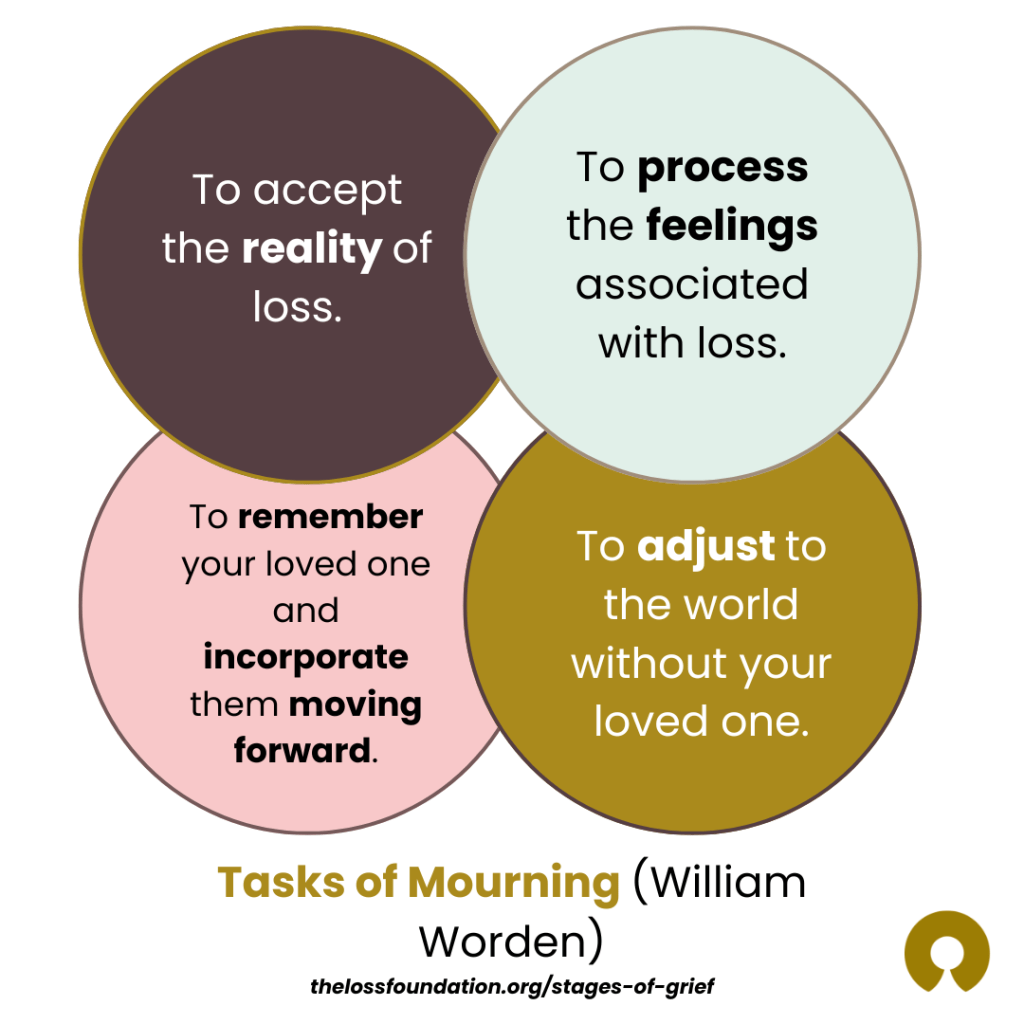
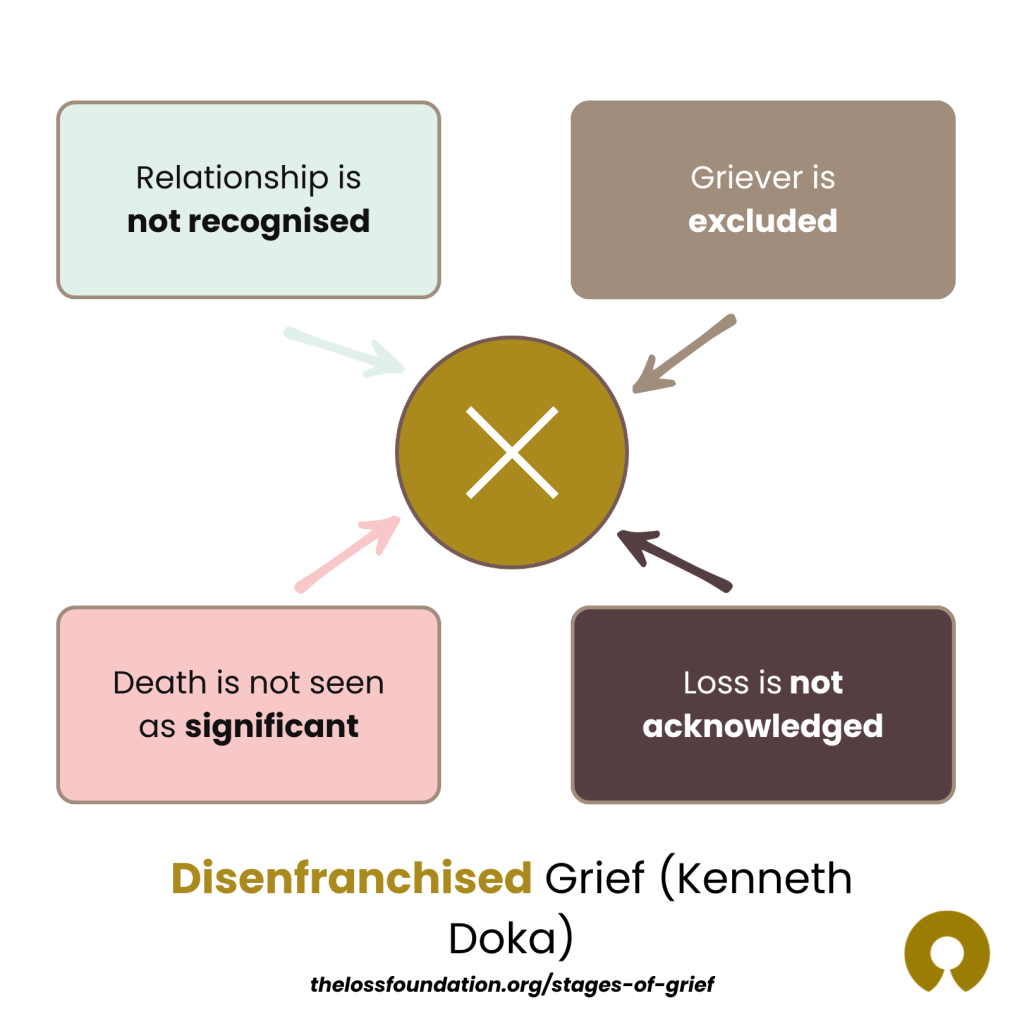
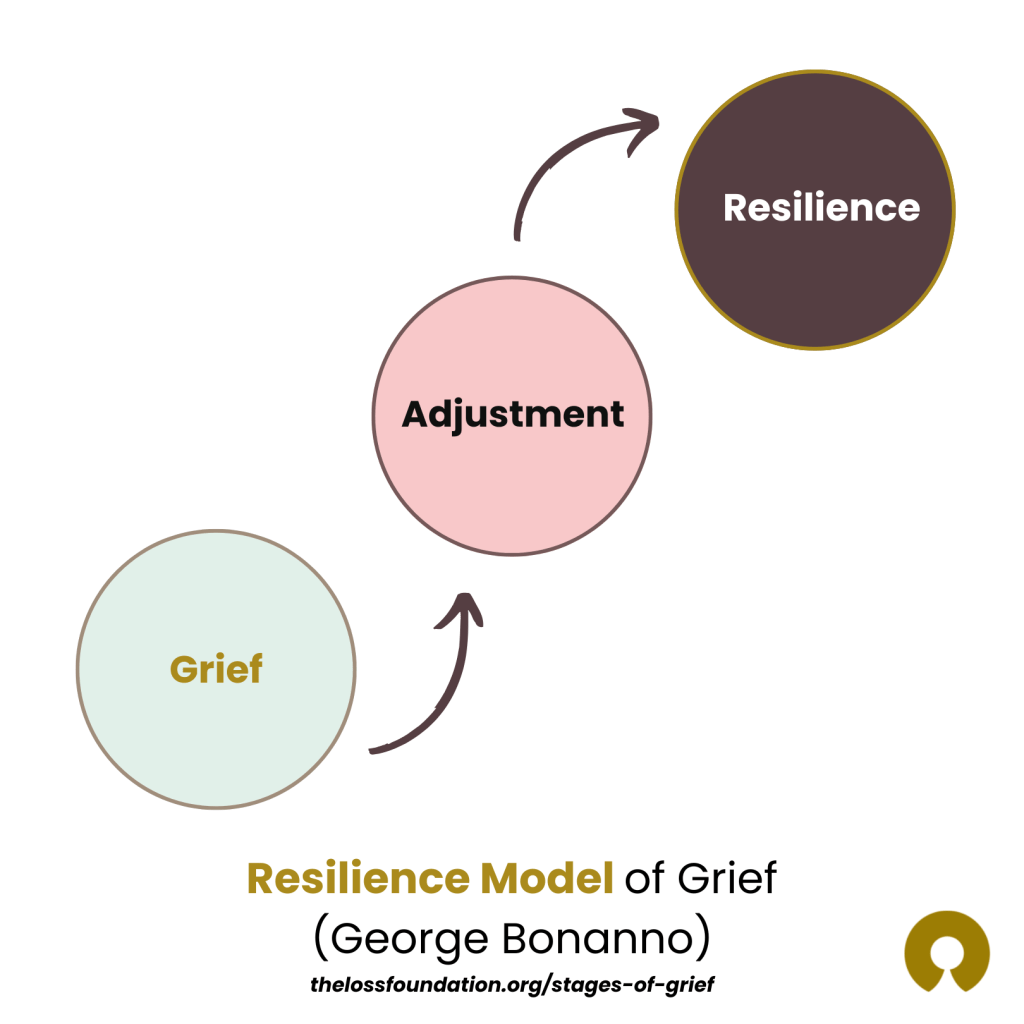

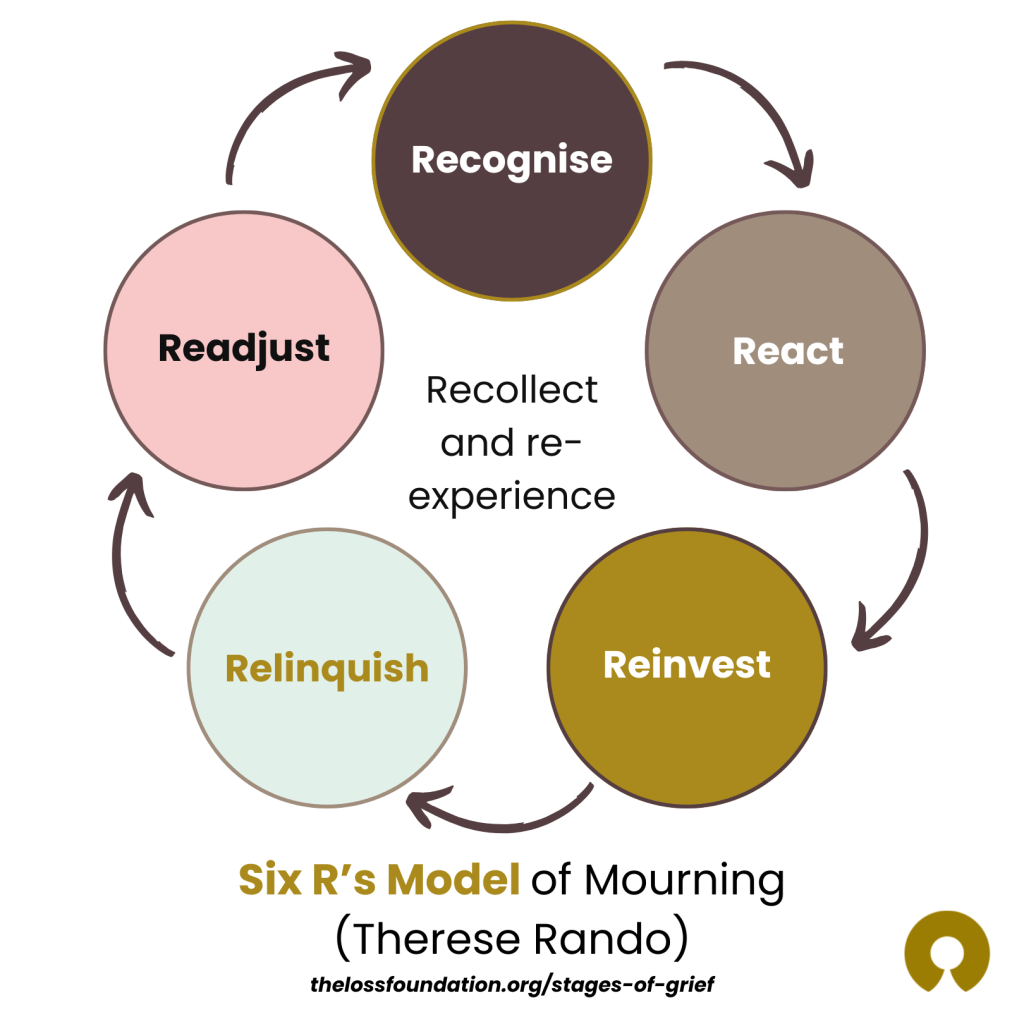

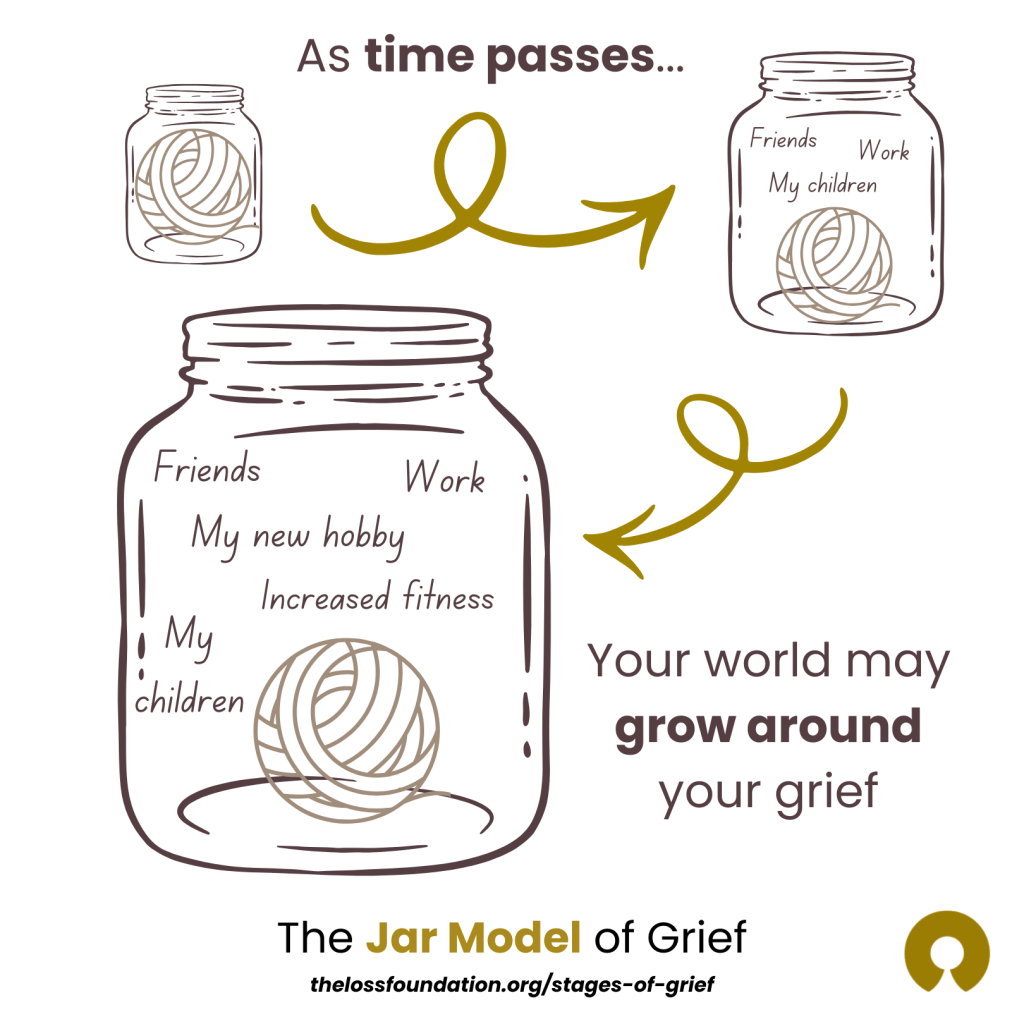
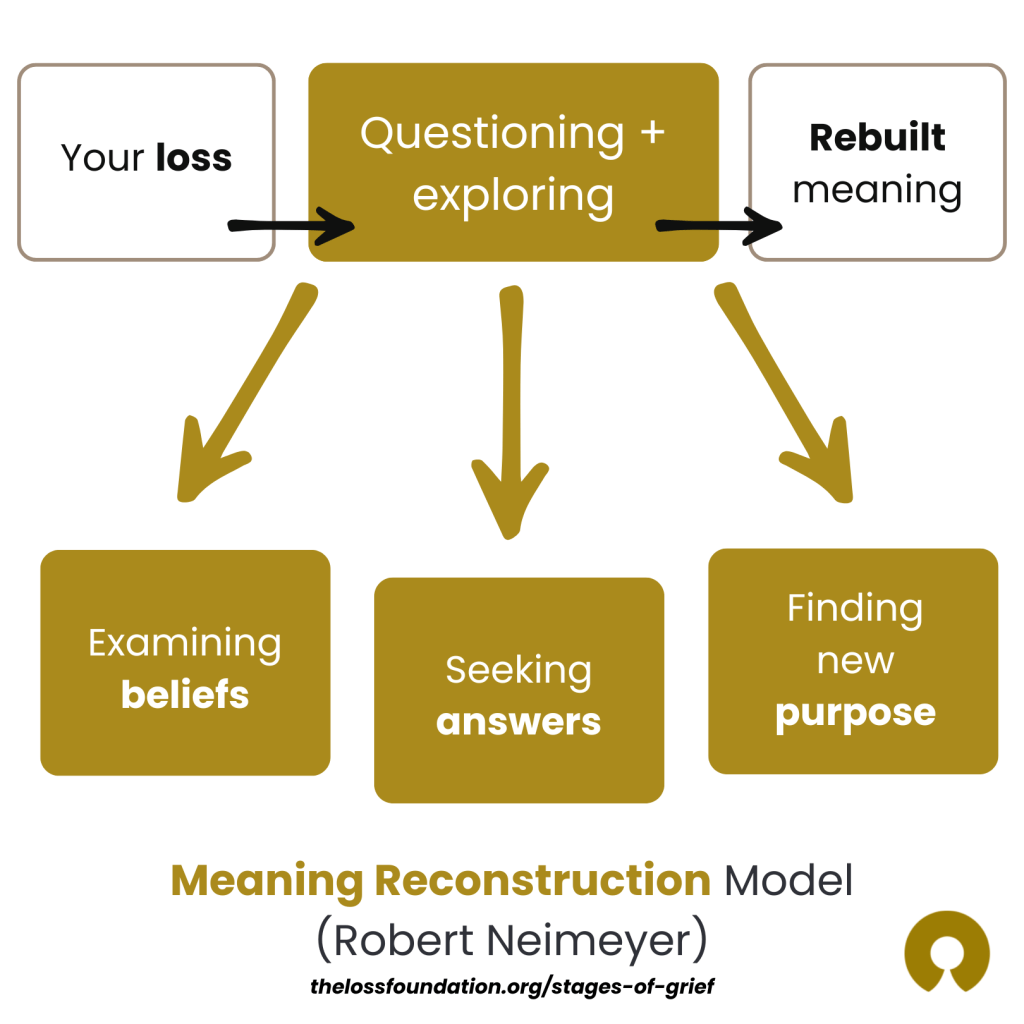
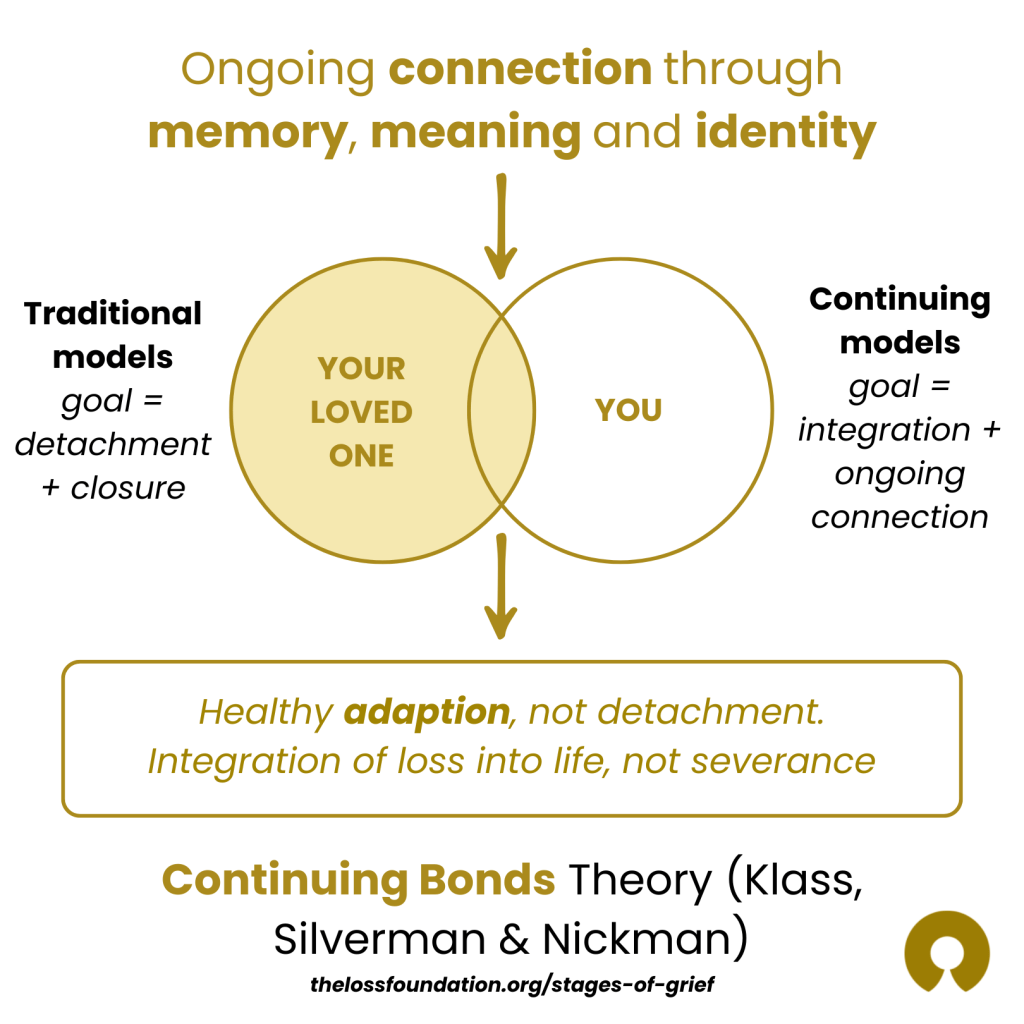

Explore the page to learn:
📘 A clear explanation of what the Five Stages do – and don’t – mean
🧭 Why grief shifts over time rather than progressing in order
🌊 How emotions can rise and fall in waves
🧩 Other grief models that may resonate more deeply with your experience
Photo by Lua Valentia on Unsplash