
Elisabeth Kübler-Ross
A Trailblazer in Near-Death Studies
Elisabeth Kübler-Ross was a psychiatrist whose work helped change how we talk about grief, dying, and loss.
In 1969, she introduced the Five Stages of Grief – denial, anger, bargaining, depression, and acceptance, not as a strict roadmap, but as a way to describe some of the emotions people may experience when facing a life-changing diagnosis.
In 1969, she introduced the Five Stages of Grief — denial, anger, bargaining, depression, and acceptance. Originally, these stages described how people process a terminal diagnosis, not bereavement. Over time, they were widely applied to many forms of loss, though Kübler-Ross never intended them as a strict or universal sequence.
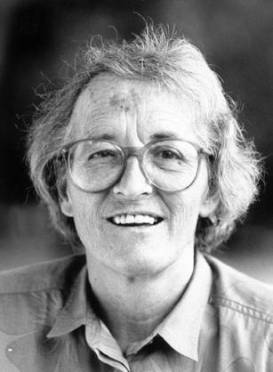
Elisabeth Kübler-Ross: Changing the Conversation on Death and Grief
Elisabeth Kübler-Ross’ work helped shift conversations around death, advocating for more compassionate care and open dialogue.
While her research sparked important discussions, grief remains deeply personal – no single model can fully capture the experience. Today, her legacy continues to inspire, reminding us that every journey through loss is unique.
A Career Driven by Compassion
After earning her medical degree in Zurich, Elisabeth Kübler-Ross moved to New York in 1958 to continue her training. During her psychiatric residency, she challenged the neglect of terminally ill and psychiatric patients, creating treatments that prioritised dignity, reduced overmedication, and encouraged connection with the outside world.
In 1962, she joined the University of Colorado School of Medicine, where she interviewed a terminally ill patient in front of medical students—not as a case study, but as a person. This moment shaped her career, reinforcing her belief that dying individuals deserved empathy, respect, and a voice in their own care.
“Now you are reacting like human beings instead of scientists. Maybe now you’ll not only know how a dying patient feels but you will also be able to treat them with compassion – the same compassion that you would want for yourself” – Elisabeth Kübler-Ross
Watch this powerful 1983 interview with Dr. Elisabeth Kübler-Ross, where she discusses the role of spirituality and essential resources for those facing terminal illness.
Recorded at the University of Washington, Kübler-Ross shares her compassionate insights on helping patients find peace and meaning during their final stages of life.
Elisabeth Kübler-Ross: Transforming End-of-Life Care
Elisabeth Kübler-Ross transformed how the world views the terminally ill. She pioneered hospice and palliative care, advanced bioethics, and explored near-death experiences. She was a leading advocate for treating dying patients with dignity and helped bring their experiences into public awareness. Her work inspired many, including Balfour Mount, Canada’s first palliative care physician.
Kübler-Ross authored over 20 books, translated into 44 languages.
Her legacy lives on through the Elisabeth Kübler-Ross Foundation and the first hospice in the Netherlands, named in her honor. She received numerous awards and honorary degrees, and in 2019, the American Journal of Bioethics dedicated an issue to her impact. In an article, bioethicist Mark G. Kuczewski credited her with shaping modern clinical ethics by emphasising patient voices and quality of life.
In 2018, Stanford University acquired her archives to preserve her work. Even in her final years, she remained active, co-authoring books like On Grief and Grieving (2005). Her influence continues to shape end-of-life care, ethics, and how we understand grief.
Our approach to the five stages of grief
At The Loss Foundation, we recognise that grief is unique to each individual. Rather than a fixed path, we see it as a dynamic process, with emotions that rise and fall like waves, shaped by personal connections, circumstances, and emotional makeup.

Learn more about the stages of grief (and the many ways of looking at loss)
Explore our Stages of Grief page to dive into Kübler-Ross’s groundbreaking five-stage model and discover other perspectives on the grieving process. We provide a comprehensive look at how different models can help understand and navigate grief, offering valuable insights for anyone experiencing loss or supporting others through it.
Elisabeth Kübler-Ross: Key Books on Grief, Death, and Healing
Here’s a list of Elisabeth Kübler-Ross’s various books with brief overviews (click the titles to view on Amazon):
- On Death and Dying (1969)
Introduced the groundbreaking “five stages of grief” model (denial, anger, bargaining, depression, and acceptance), revolutionizing how society understands the dying process and grief. - On Grief and Grieving (2005)
Co-authored with David Kessler, this book expands on her five stages model, exploring how individuals experience and cope with grief, emphasising that the stages are not linear. - The Wheel of Life (1997)
An autobiographical work where Kübler-Ross reflects on her life, spiritual beliefs, and the lessons she learned from her work with the terminally ill. - Questions and Answers on Death and Dying (1974)
A follow-up to her first book, answering common questions about death, the dying process, and grief, providing deeper insights into the topics that concerned her patients. - To Live Until We Say Goodbye (1978)
Focuses on how people with terminal illness can live fully and with dignity until their final moments, offering practical advice and emotional support for those facing death. - Living with Death and Dying (1981)
Explores the emotional and psychological experiences of the terminally ill and their families, stressing the importance of honesty, emotional expression, and self-awareness. - Death: The Final Stage of Growth (1975)
Explores the spiritual and philosophical dimensions of death, positioning it as a natural and essential part of personal growth, rather than an end.
These books collectively offer a mix of personal experiences, spiritual reflections, and practical advice on dealing with loss, dying, and grief, making Kübler-Ross a key figure in end-of-life care and spiritual counselling.
As an Amazon Associate, we earn from qualifying purchases if you click a link – these donations (at no extra cost to you) help support others in grief. Thank you.
🌱 Grow with our courses
Explore our courses – including Mental Health: Supporting Ourselves and the Grief Journey Workbook – on our dedicated Grief & Mental Health Training page.