

Grief is a natural response to loss, but its impact can be profound and long-lasting. While traditional therapeutic approaches offer valuable support, the practice of grief meditation has gained recognition for its unique ability to help individuals process their emotions. But what is grief meditation, and how does it work on a scientific level? In this blog, we’ll explore the intersection of meditation, mindfulness, and the science of healing from grief.
Understanding Grief: A Mind-Body Experience
Grief is not only an emotional experience but also a physical one. It can trigger a range of responses in the body, including increased heart rate, heightened stress levels, and a suppressed immune system. The psychological toll of grief often includes feelings of sadness, anger, confusion, and even a sense of isolation. These reactions are tied to specific brain functions and neurochemical changes that occur in response to loss.
This is where meditation comes in. Meditation isn’t just a tool for relaxation; it’s a scientifically supported technique that influences how the brain and body respond to emotional stress. In the context of grief, meditation can help regulate these intense reactions.
🌱 Grow with our courses
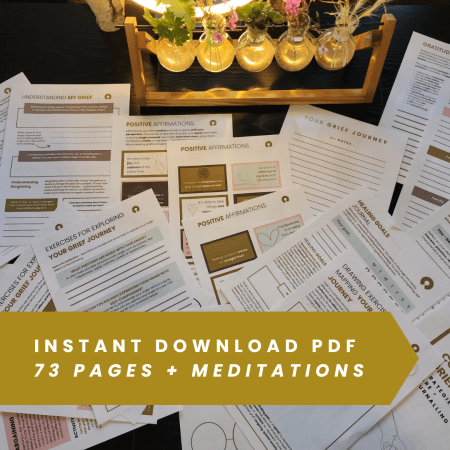
Explore our courses – including Mental Health: Supporting Ourselves and the Grief Journey Workbook – on our dedicated Grief & Mental Health Training page.

What Is Grief Meditation?
Grief meditation is a practice that combines mindfulness techniques with a compassionate focus on the experience of loss. It encourages individuals to sit with their emotions without judgment, allowing them to acknowledge their pain, sadness, and longing. Unlike some mindfulness practices that aim to clear the mind, grief meditation invites you to explore your emotions deeply, fostering a space where healing can begin.
-
Product on sale
 Guided Grief MeditationOriginal price was: £15.00.£10.00Current price is: £10.00.
📢 New: Guided Grief Meditation
This meditation pack offers a compassionate journey through grief. With gentle guidance and reflective practices, you’ll cultivate self-compassion, connection, and gratitude while honouring the complex emotions that arise in grief.
Core Components of Grief Meditation:
- Mindfulness: Staying present with your emotions as they arise.
- Compassionate Awareness: Embracing feelings of grief with kindness and self-compassion.
- Breathing Techniques: Using controlled breath to regulate stress responses.
- Guided Imagery: Visualizing positive images to connect with the memory of the lost loved one or a sense of inner peace.
The Neuroscience Behind Grief Meditation
Research has shown that meditation can significantly affect the brain’s structure and function, particularly in areas related to emotion and stress regulation. When we meditate, specific regions of the brain undergo changes that can help manage grief.
1. Impact on the Amygdala
The amygdala, often called the brain’s “emotional center,” plays a key role in processing emotions like fear, anger, and sadness. In states of intense grief, the amygdala can become hyperactive, leading to overwhelming feelings and emotional outbursts. Meditation has been found to reduce amygdala activity, promoting a calmer state of mind and making it easier to manage these intense emotions.
2. Enhancing the Prefrontal Cortex
The prefrontal cortex, responsible for rational thinking, decision-making, and emotional regulation, tends to be less active when we’re distressed. Meditation helps strengthen this area of the brain, improving our ability to process grief in a balanced and thoughtful way. This shift can aid in transforming raw pain into reflective thought, enabling a healthier grieving process.
3. Increase in Grey Matter
Studies suggest that regular meditation can increase grey matter density in the hippocampus, a brain region involved in memory and emotional responses. This growth in grey matter is associated with greater resilience, better memory, and a more balanced emotional state—all of which are crucial for navigating the journey through grief.
-
Product on saleGuided Grief MeditationOriginal price was: £15.00.£10.00Current price is: £10.00.
📢 New: Guided Grief Meditation
This meditation pack offers a compassionate journey through grief. With gentle guidance and reflective practices, you’ll cultivate self-compassion, connection, and gratitude while honouring the complex emotions that arise in grief.
Meditation and the Stress Response: The Role of Cortisol
When faced with grief, the body’s natural response is to produce higher levels of cortisol, a hormone related to stress. Prolonged elevation of cortisol can lead to chronic health issues such as anxiety, depression, and cardiovascular problems. Meditation has been scientifically proven to reduce cortisol levels, thereby lowering stress and its physical symptoms. By calming the nervous system, meditation creates a physiological environment conducive to healing from grief.
The Power of Compassion in Grief Meditation
One of the most important elements of grief meditation is self-compassion. Research in the field of psychology shows that individuals who practice self-compassion are more likely to experience reduced levels of depression and anxiety. This involves acknowledging your own suffering without judgment, treating yourself with the same kindness that you would offer a friend.
When meditating on grief, this compassionate stance allows you to soften the inner critic that might say, “I should be over this by now,” or “Why am I still feeling so much pain?” It gives you permission to grieve at your own pace, acknowledging that there is no timeline for healing from loss.
Evidence-Based Benefits of Grief Meditation
Numerous studies have documented the benefits of meditation for grief. Here are some of the most significant findings:
- Reduced Anxiety and Depression: Regular meditation has been linked to lower rates of anxiety and depression in people dealing with grief.
- Improved Emotional Regulation: Meditation enhances emotional awareness and control, helping individuals manage the waves of grief more effectively.
- Better Sleep Quality: Those who meditate often experience improved sleep patterns, which are frequently disrupted by grief.
- Increased Resilience: Mindfulness practices have been shown to bolster resilience, enabling people to recover more quickly from emotional setbacks.
Getting Started with Grief Meditation
For mental health professionals and those in therapeutic roles, introducing grief meditation to clients can be a powerful tool. Here are some simple steps to get started with this practice:
- Create a Quiet Space: Find a quiet, comfortable place where you won’t be interrupted.
- Focus on the Breath: Begin by taking slow, deep breaths to center yourself.
- Acknowledge the Emotion: Gently bring to mind the emotion you’re feeling without trying to change it.
- Practice Compassionate Self-Talk: Use phrases like, “It’s okay to feel this way,” or “Grief is a part of healing.”
- Stay Present: If your mind wanders, guide it back to your breath and your current emotional state.
Conclusion: Embracing the Science of Healing
The practice of grief meditation offers more than just a temporary escape from pain; it provides a scientifically grounded approach to transforming how we experience loss. By understanding the brain’s role in grief and how meditation can alter its response, psychologists and mental health professionals can empower their clients with tools to process their emotions more effectively.
Grief meditation is a compassionate practice that acknowledges the depth of pain while guiding individuals toward a state of healing. As science continues to uncover the profound impact of mindfulness on the brain, it becomes clear that this ancient practice is a powerful ally in the journey through grief.
-
Product on saleGuided Grief MeditationOriginal price was: £15.00.£10.00Current price is: £10.00.
📢 New: Guided Grief Meditation
This meditation pack offers a compassionate journey through grief. With gentle guidance and reflective practices, you’ll cultivate self-compassion, connection, and gratitude while honouring the complex emotions that arise in grief.
🧠 Explore How the ‘Stages of Grief’ Work
The “stages” of grief are one of the most familiar frameworks people turn to when trying to understand loss – yet they’re often interpreted too literally.
Our Stages of Grief guide breaks down where the model came from, what each stage represents, and how it can offer insight without suggesting grief moves in tidy steps.

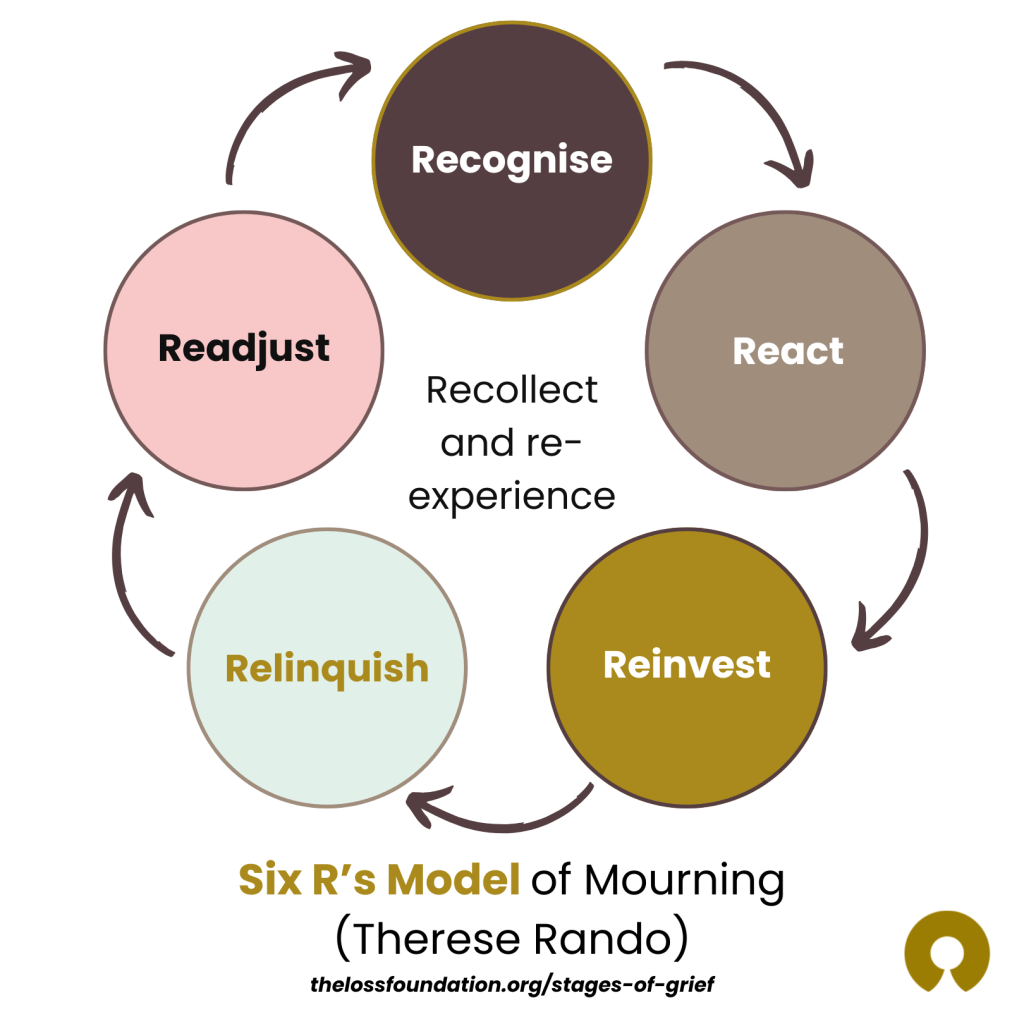

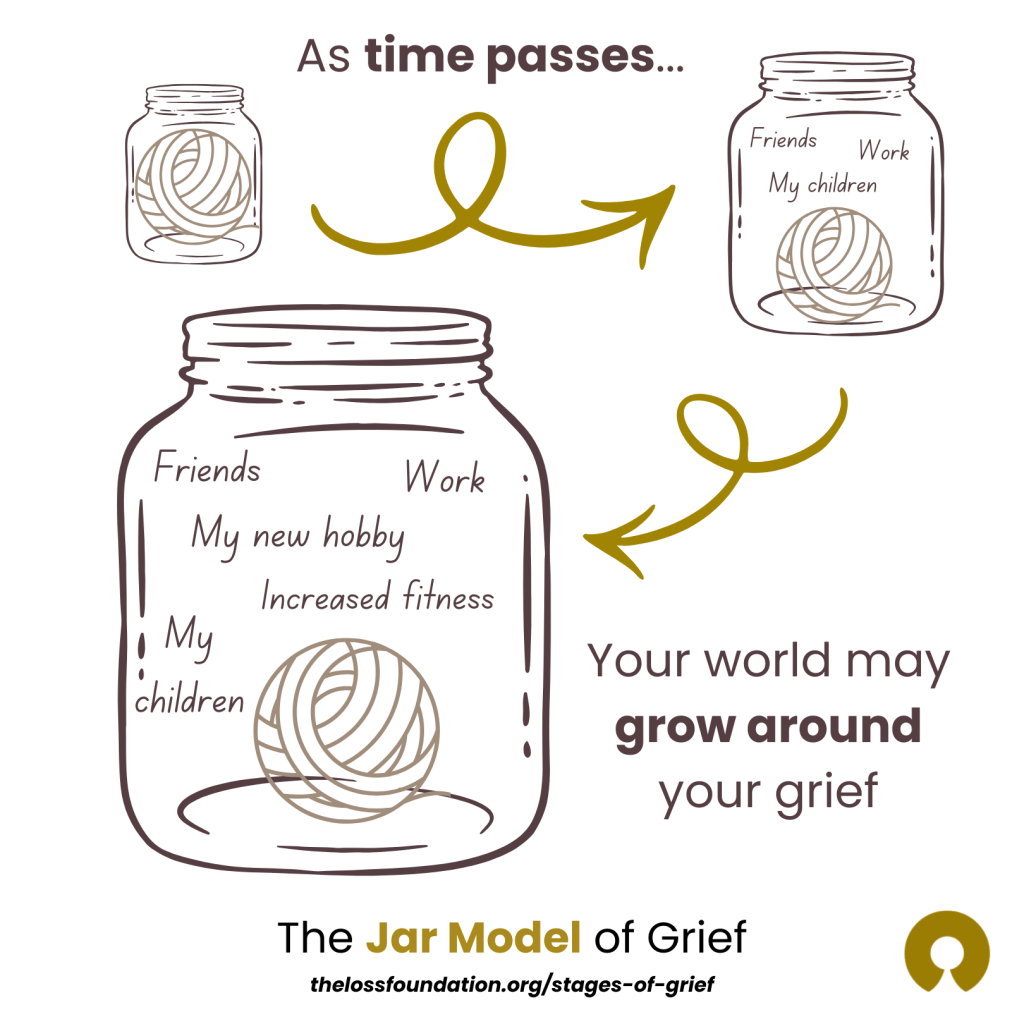
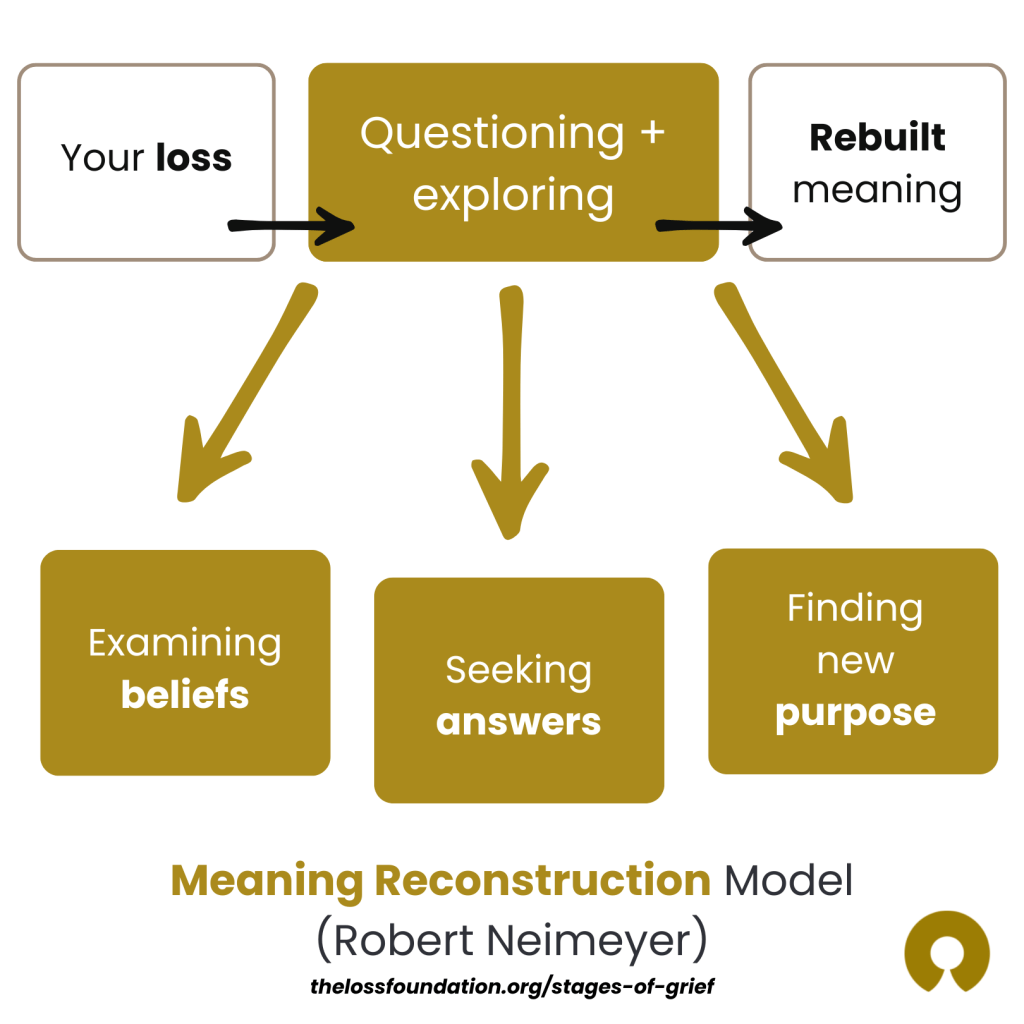
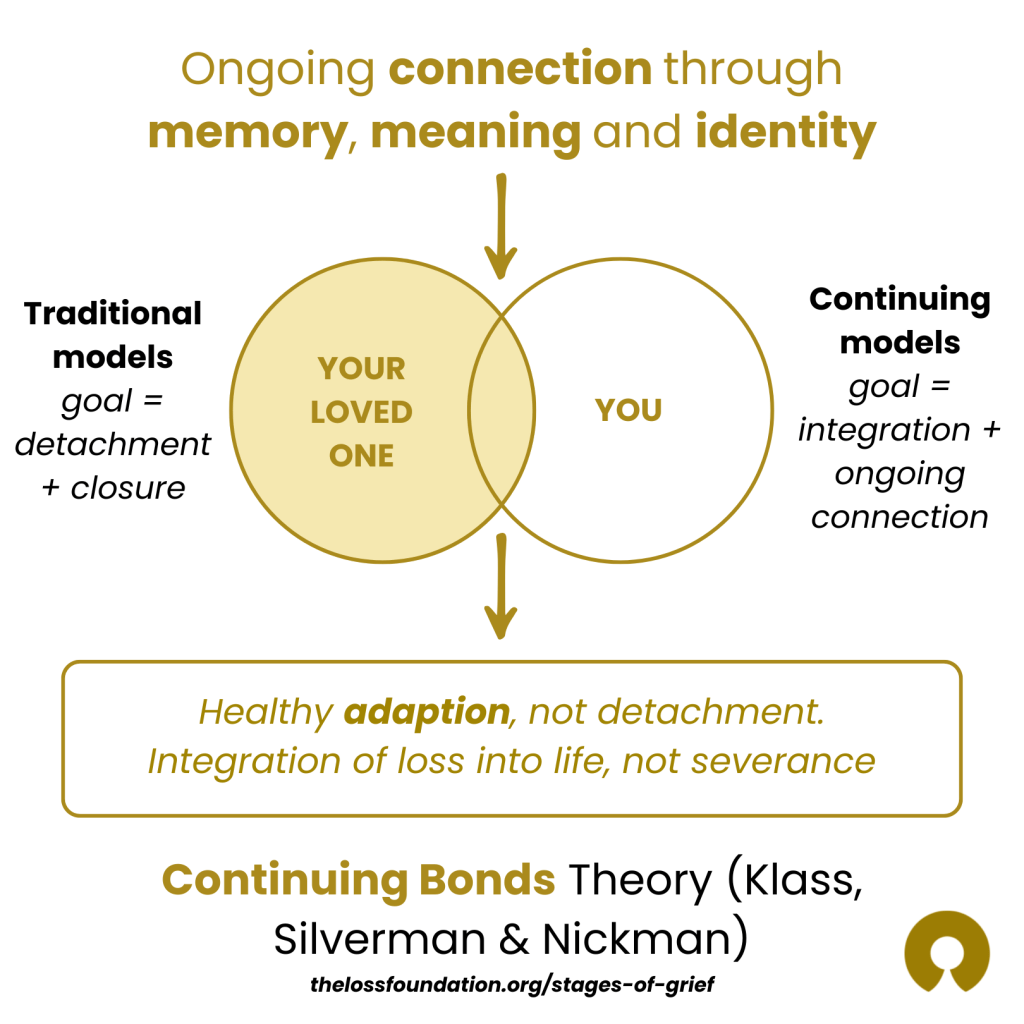

Explore the page to learn:
📘 A clear explanation of what the Five Stages do – and don’t – mean
🧭 Why grief shifts over time rather than progressing in order
🌊 How emotions can rise and fall in waves
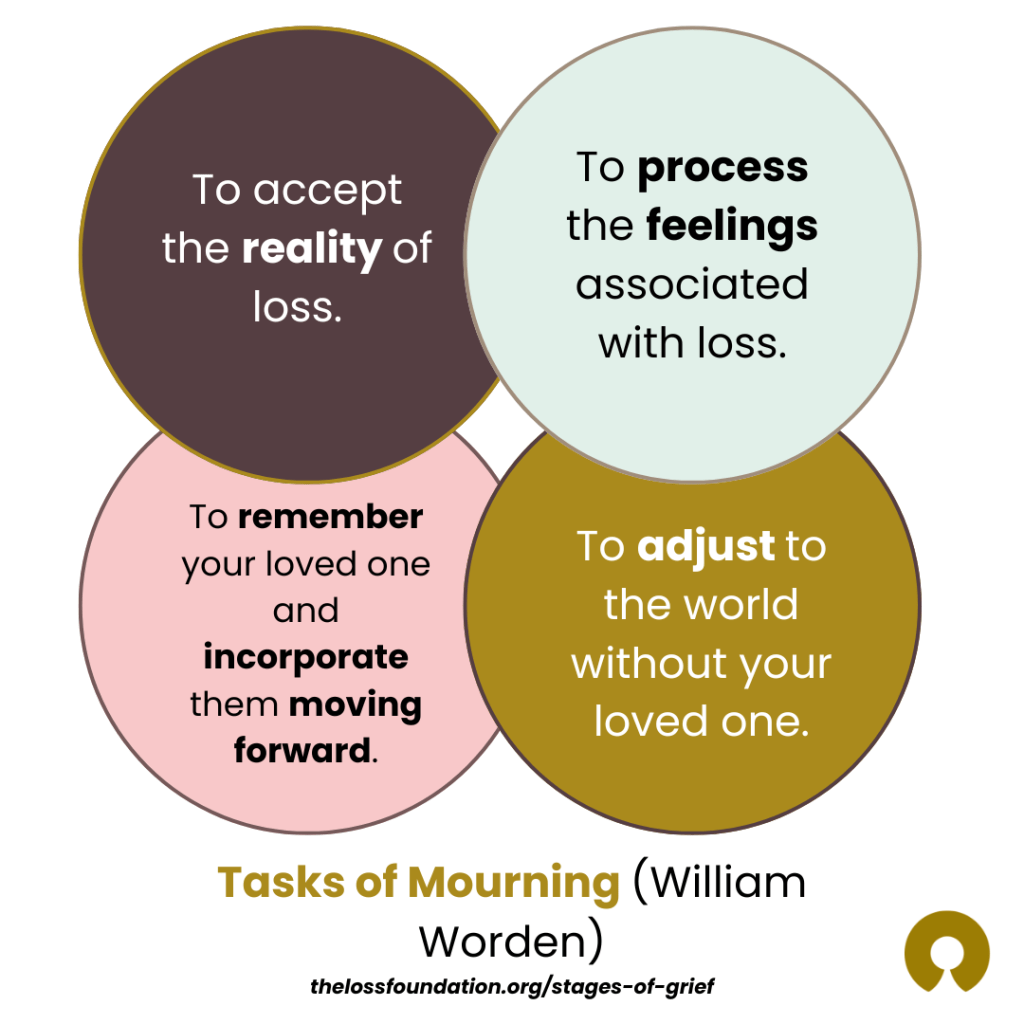
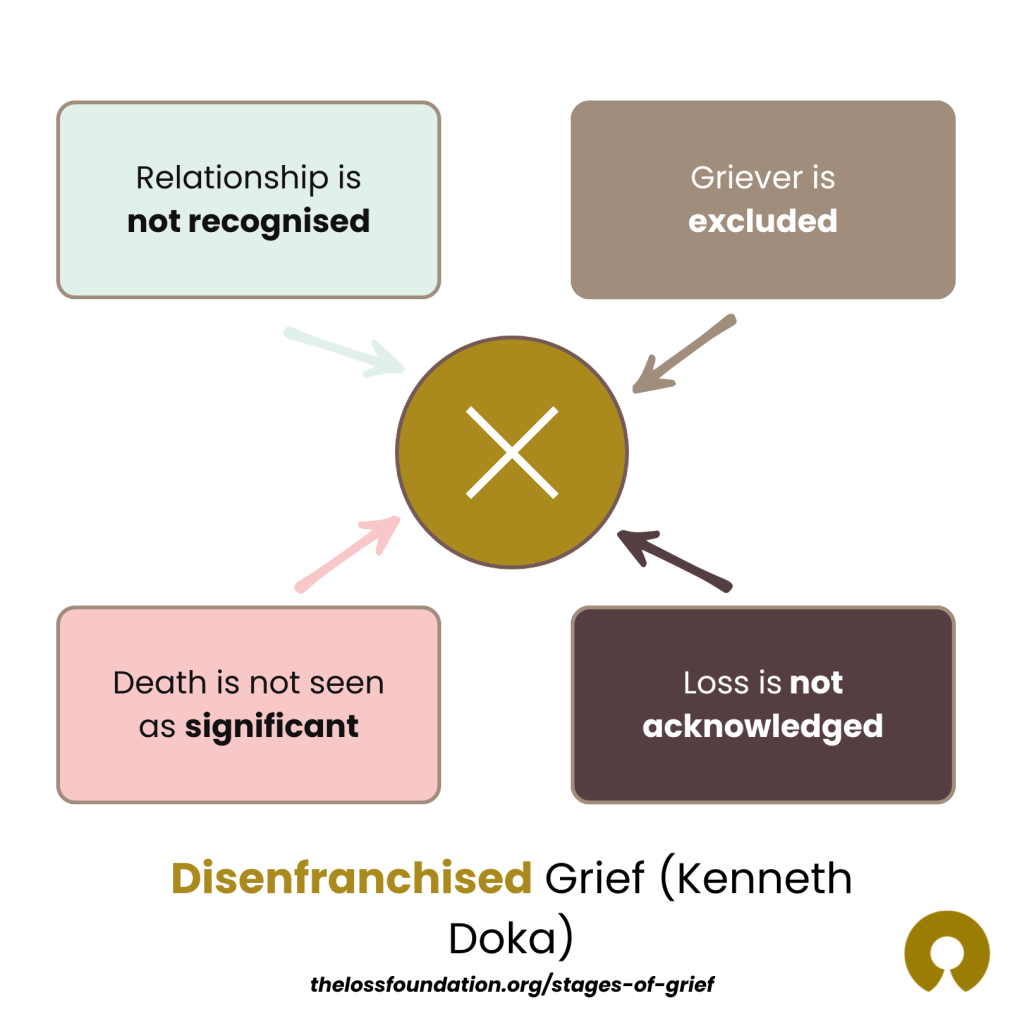
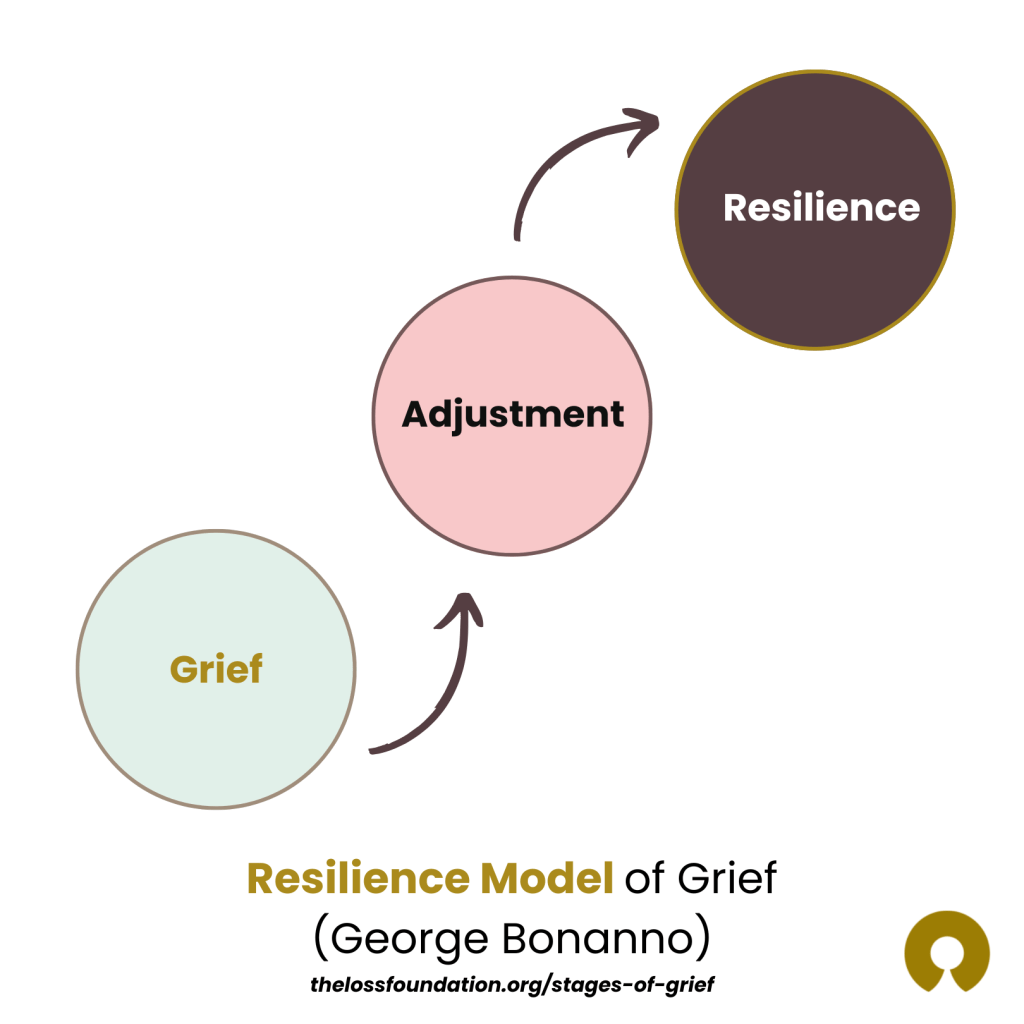
🧩 Other grief models that may resonate more deeply with your experience
Photo by Dingzeyu Li on Unsplash