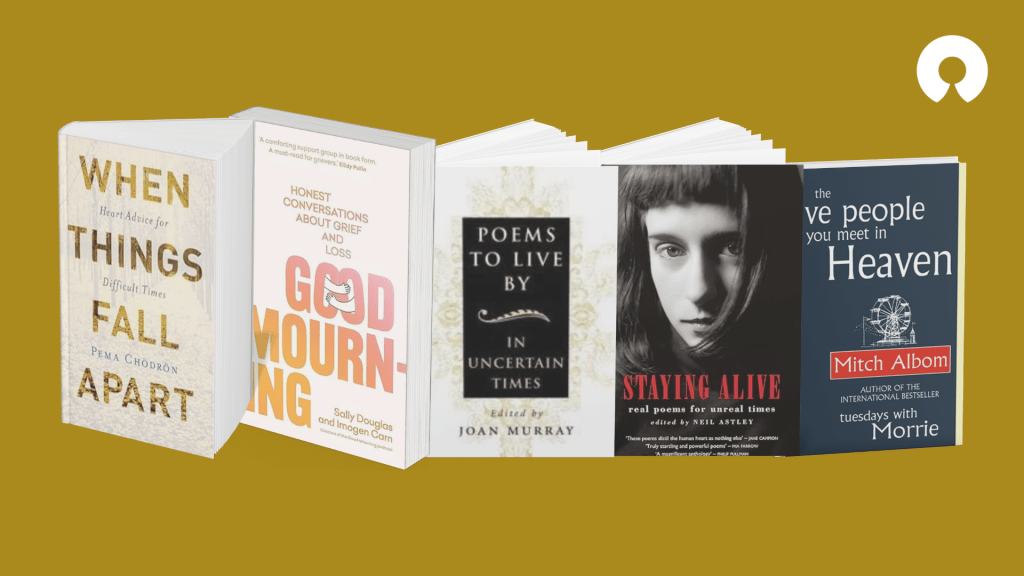
Grief is a deeply complex and personal experience. It can feel overwhelming, isolating, and often, confusing. While there’s no one-size-fits-all solution for coping with loss, many people find solace and support in the written word.
Here’s why reading can be a powerful tool for healing:
1. Validation and Understanding:
- Relatable Experiences: Books often explore the full spectrum of grief emotions, from sadness and anger to hope and acceptance. Reading about others’ experiences can make you feel less alone and validate your own feelings.
- Insightful Perspectives: Authors can offer unique perspectives on grief, helping you to understand your own journey better.
2. Emotional Release:
- Catharsis: Reading can provide a safe space to process your emotions. By immersing yourself in the story, you may experience a cathartic release of feelings.
- Empathy: Connecting with characters experiencing loss can help you develop empathy and compassion for yourself and others.
🌱 Grow with our courses
Explore our courses – including Mental Health: Supporting Ourselves and the Grief Journey Workbook – on our dedicated Grief & Mental Health Training page.


3. Practical Guidance:
- Coping Strategies: Many books offer practical advice for coping with grief, such as mindfulness techniques, journaling, and seeking support from others.
- Healthy Habits: Some books focus on maintaining physical and mental health during times of grief, providing guidance on nutrition, exercise, and self-care.
4. Hope and Inspiration:
- Resilience Stories: Reading about people who have overcome grief can inspire hope and remind you that healing is possible.
- Meaningful Connections: Books can help you find meaning in your loss and discover new ways to honour the person you’ve lost.
Choosing the Right Book: When selecting books to read, consider your personal preferences and the stage of grief you’re in. There’s a wide range of genres and topics to choose from, so don’t be afraid to explore different options.
Remember: There’s no right or wrong way to grieve. Reading can be a valuable tool in your journey, but it’s important to find what works best for you. If you’re struggling with grief, don’t hesitate to seek professional help or connect with support groups. Our grief services are designed for any adult who’s lost their loved one to cancer. Read about how we can help.
Photo by Donatella D’Anniballe on Unsplash
To find even more recommendations, be sure to visit our main Books for Grief page. There, you’ll discover a wider range of titles to help you navigate the journey of loss and healing. Whether you’re seeking personal stories, practical advice, or comforting reflections, we hope these resources will provide you with the support you need.
🧠 Explore How the ‘Stages of Grief’ Work
The “stages” of grief are one of the most familiar frameworks people turn to when trying to understand loss – yet they’re often interpreted too literally.
Our Stages of Grief guide breaks down where the model came from, what each stage represents, and how it can offer insight without suggesting grief moves in tidy steps.


Explore the page to learn:
📘 A clear explanation of what the Five Stages do – and don’t – mean
🧭 Why grief shifts over time rather than progressing in order
🌊 How emotions can rise and fall in waves
🧩 Other grief models that may resonate more deeply with your experience