

Grief is a deeply personal and transformative experience. Whether we are grieving the loss of a loved one, a relationship, or any other significant part of our lives, we often seek ways to make sense of the overwhelming emotions that come with it. One of the most well-known frameworks for understanding grief is the five stages of grief, which has been adapted over the years to include further so-called ‘stages’. While this article explores the ‘Seven Stages of Grief’, at The Loss Foundation, we believe that grief is not a one-size-fits-all journey, and we’ll later share our approach to supporting those who are grieving.
What Are the 7 Stages of Grief?
Elisabeth Kübler-Ross first introduced the Five Stages of Grief (Denial, Anger, Bargaining, Depression, and Acceptance) in her book On Death and Dying (1969), based on her work with terminally ill patients. Her model became widely accepted as a way to understand grief, but over time, grief counsellors and researchers expanded upon it, leading to the development of the Seven Stages of Grief. This extended model incorporates additional emotional responses that people may experience:
- Shock and Denial – A person may have difficulty accepting the reality of the loss, feeling numb or disconnected from their emotions.
- Pain and Guilt – As reality sets in, intense feelings of sorrow, regret, or guilt may emerge.
- Anger and Bargaining – Some individuals may feel angry about the loss or may engage in bargaining, wondering if they could have done something differently to prevent it.
- Depression – This stage is marked by feelings of deep sadness, loneliness, and hopelessness, often causing a person to retreat inwardly.
- The Upward Turn – Gradually, a person may begin to feel a little more hope or sense of relief as the intensity of their grief begins to lessen.
- Reconstruction and Working Through – In this stage, the individual starts to adapt to life without their loved one, finding new ways of coping and re-engaging with life.
- Acceptance and Hope – Ultimately, a person may come to accept the reality of their loss, which allows them to move forward, though it doesn’t mean they have “moved on.”
While this model provides a structured way to view grief, it is important to remember that it is just one of many perspectives.
Grief Is Not a Predictable Sequence of Stages
At The Loss Foundation, we recognise that grief does not follow a predictable or linear sequence of stages. Grief is a deeply personal and fluid experience, often marked by waves of emotion that come and go. Some individuals may resonate with structured models like the Seven Stages of Grief, while others may find them too rigid.
Instead of viewing grief as a step-by-step process with a definitive ending, we encourage people to see it as an evolving experience that shifts over time. One day, you may feel overwhelmed by sadness, while the next, you may find moments of peace. It is completely normal to revisit different emotions at unexpected times. There is no “right” way to grieve, and there is no timeline for healing.
Your Grief Journey Workbook
Grief is not a linear journey, and everyone experiences it differently. This workbook provides guidance and helpful tools for your journey.
📖 73 pages, 20 supportive activities & 8 audio meditations
🧠 Created by our Clinical Psychologists
✍️ A blend of reflection, practical exercises & coping strategies
💛 Designed for those grieving or supporting others
-
 Your Grief Journey Workbook£15.00
No Wrong Way to Grieve: Your Journey Is Unique
Everyone experiences grief differently, and that’s okay. Some may find comfort in structured models, while others may feel constrained by them. The key takeaway is this: there is no wrong way to grieve.
At The Loss Foundation, our goal is to provide support that adapts to your individual needs. Whether you find structured frameworks helpful or prefer a more organic approach, we are here to walk alongside you in your journey.
A Holistic Approach to Grief: What We Offer
We provide a variety of tools, resources, and support options to help individuals navigate their grief:
- Grief Support Groups: Connecting with others who understand your experience can be incredibly helpful. Our support groups provide a safe space to share feelings and receive support from others who are grieving.
- Grief Worksheets: Our grief workbook helps individuals reflect on their grief and provides exercises to support emotional processing. These workbooks are designed as a guide, not a strict roadmap.
- Grief Meditations: Grief can be overwhelming, and finding moments of peace can be challenging. Our guided meditations are designed to help individuals connect with their emotions and find a sense of calm amidst the storm.
At The Loss Foundation, we recognise that grief is not a predictable sequence of stages.
Instead, it is a fluid experience, marked by waves of emotion that come and go. Some may resonate with structured models, while others may find them too rigid. However you process loss, know that your journey is unique, and there is no wrong way to grieve.
Chapter spotlight: The Five Stages of Grief & Other Models
The Five Stages of Grief model is well known, but it is just one way of looking at loss. Originally developed by Elisabeth Kübler-Ross, it outlines denial, anger, bargaining, depression, and acceptance as key phases of grief. While helpful for some, this model has been criticised for implying a linear progression, whereas grief is often unpredictable and personal. In The Grief Journey Workbook, we explore this model in detail alongside a broader perspective to help you find what resonates with your experience.
Some other key grief models explored in the workbook include:
- The Dual Process Model – balancing grief with everyday life.
- The Jar Model – showing how grief may stay the same, but life grows around it.
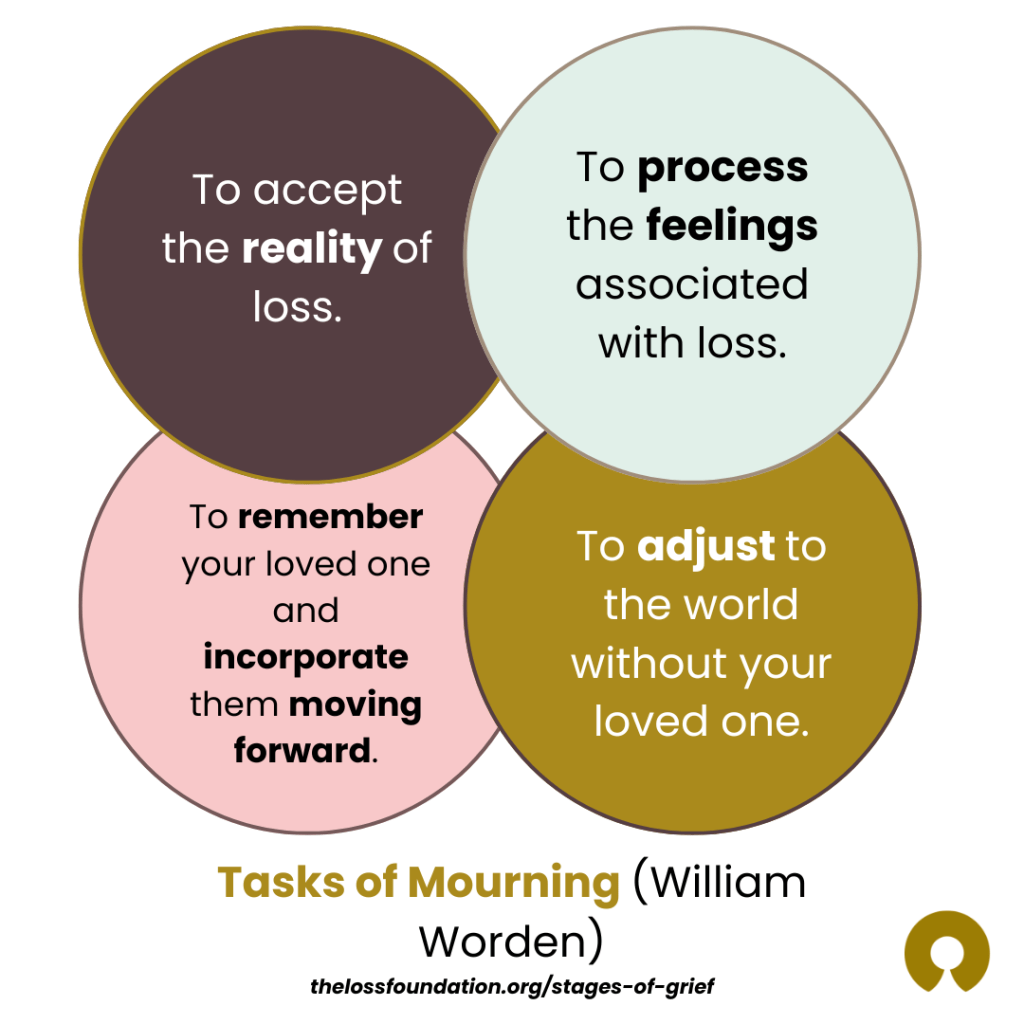
- The Tasks of Mourning – providing guiding steps for processing loss.
- Attachment Theory – exploring how our bonds might shape our grief.
Each resource provides valuable insight into the grieving process, including a deeper exploration of the Five Stages of Grief, offering guidance on how they can support you through your personal journey with loss.
Read more about the ‘Stages of Grief’ and other ways of looking at loss
On our Stages of Grief page, you’ll find a thoughtful look at the emotional journey that follows loss. We unpack Elisabeth Kübler-Ross’s Five Stages, exploring where the model came from and how it helps us make sense of grief today.
🧠 Explore How the ‘Stages of Grief’ Work
The “stages” of grief are one of the most familiar frameworks people turn to when trying to understand loss – yet they’re often interpreted too literally.
Our Stages of Grief guide breaks down where the model came from, what each stage represents, and how it can offer insight without suggesting grief moves in tidy steps.

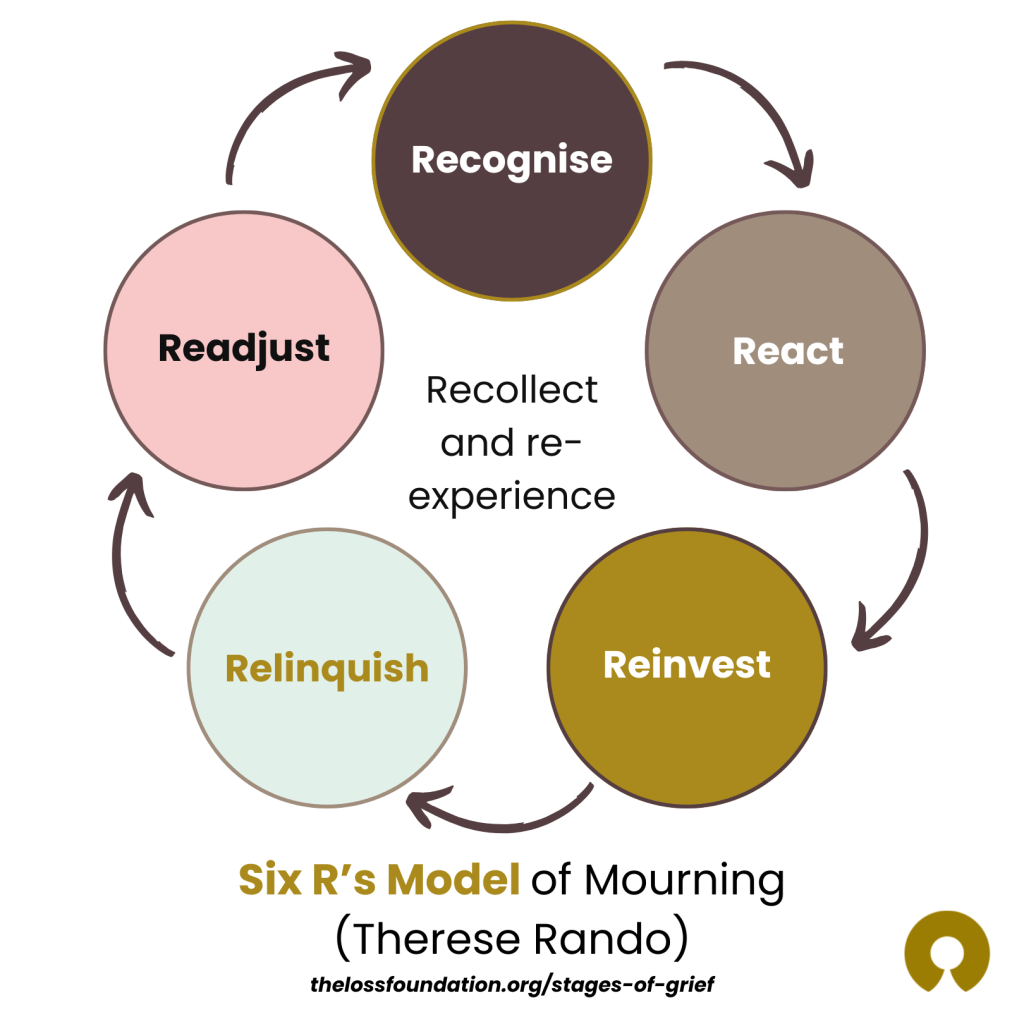

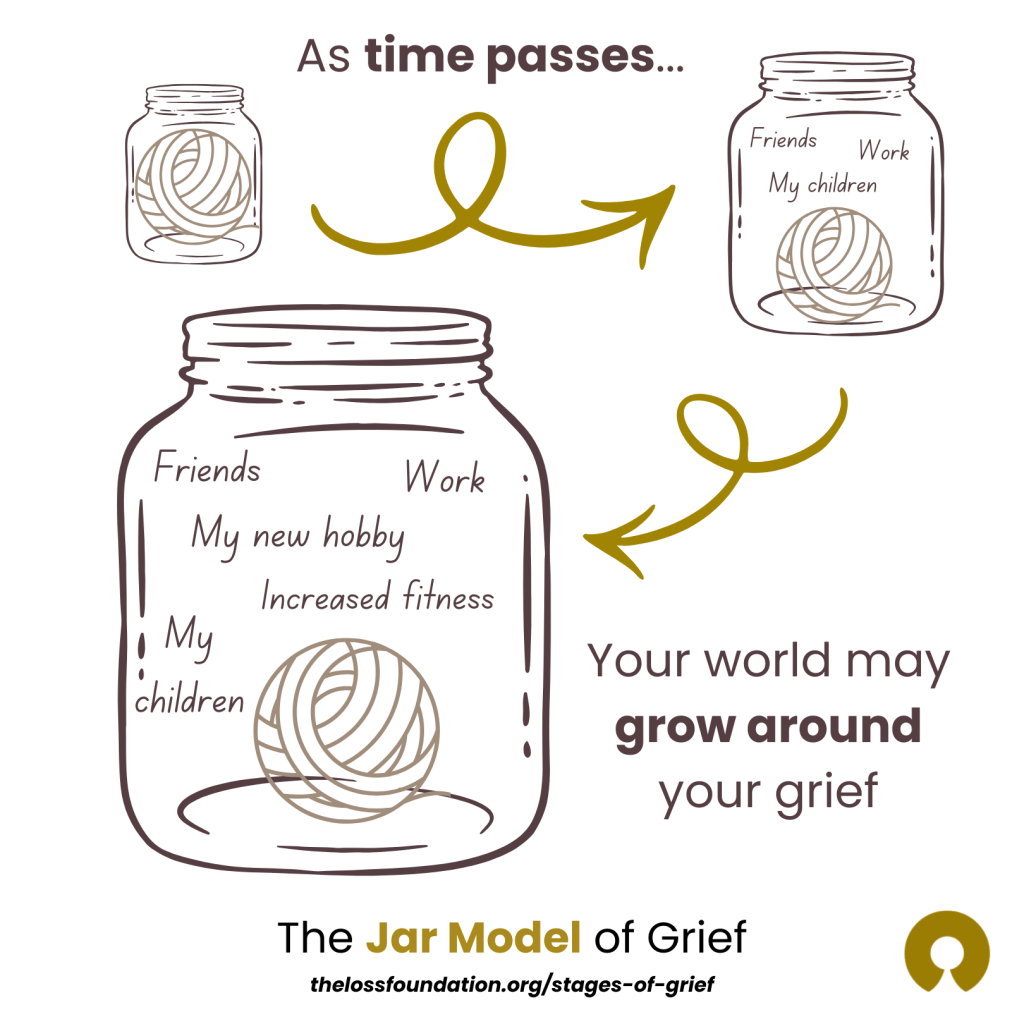
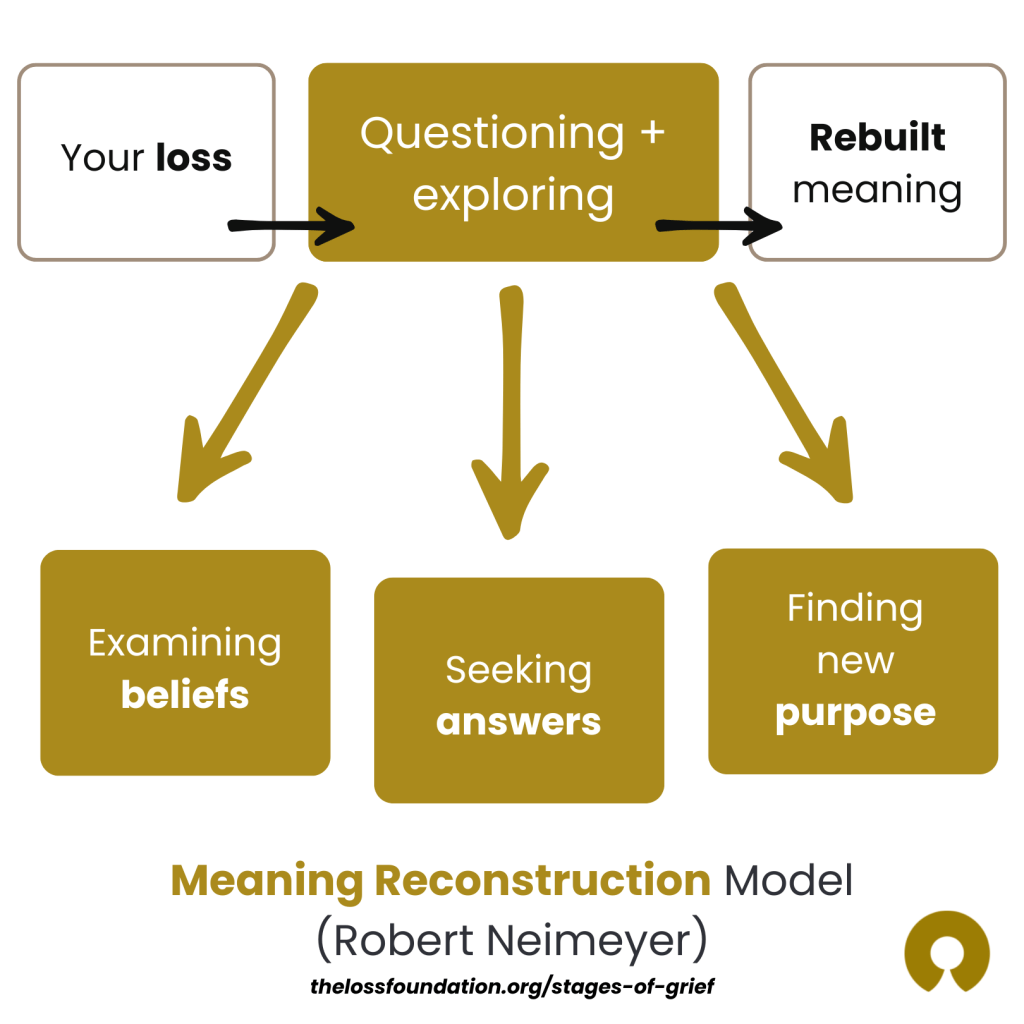
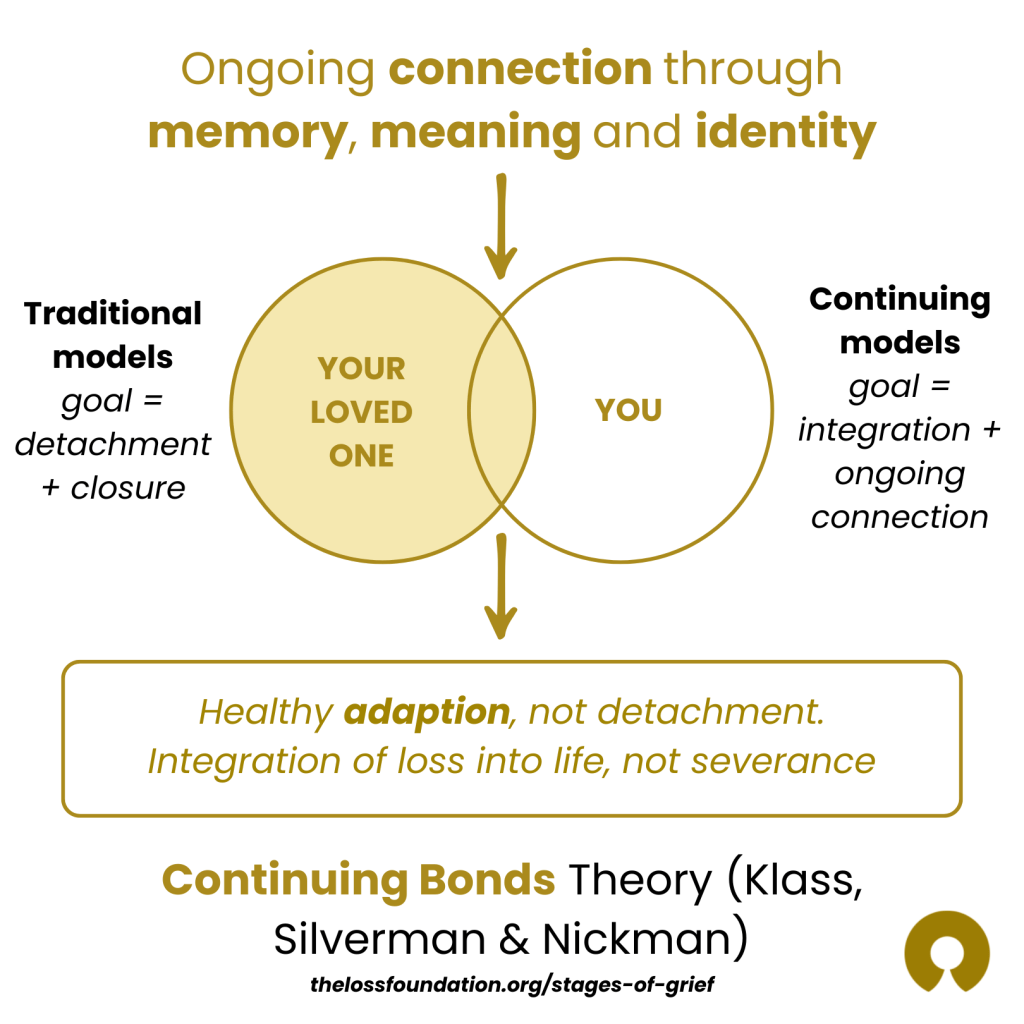

Explore the page to learn:
📘 A clear explanation of what the Five Stages do – and don’t – mean
🧭 Why grief shifts over time rather than progressing in order
🌊 How emotions can rise and fall in waves
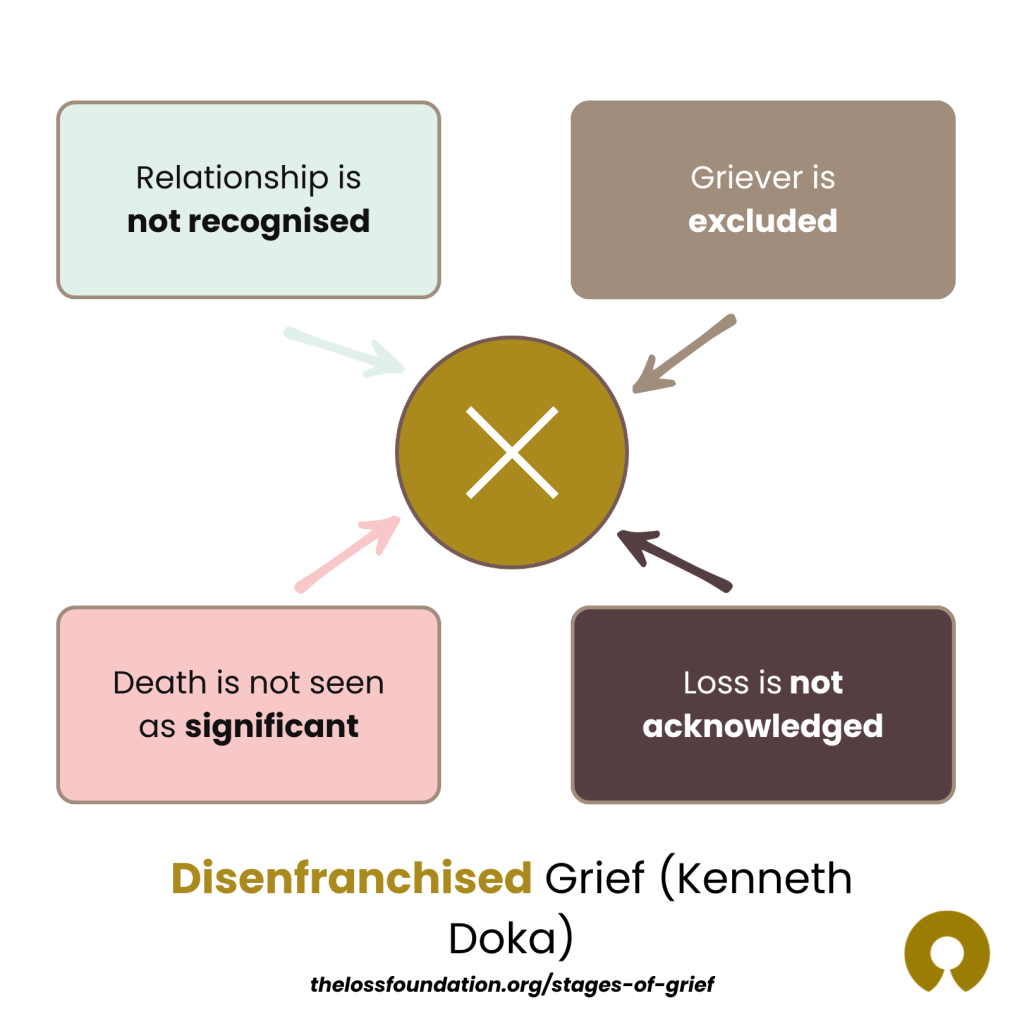
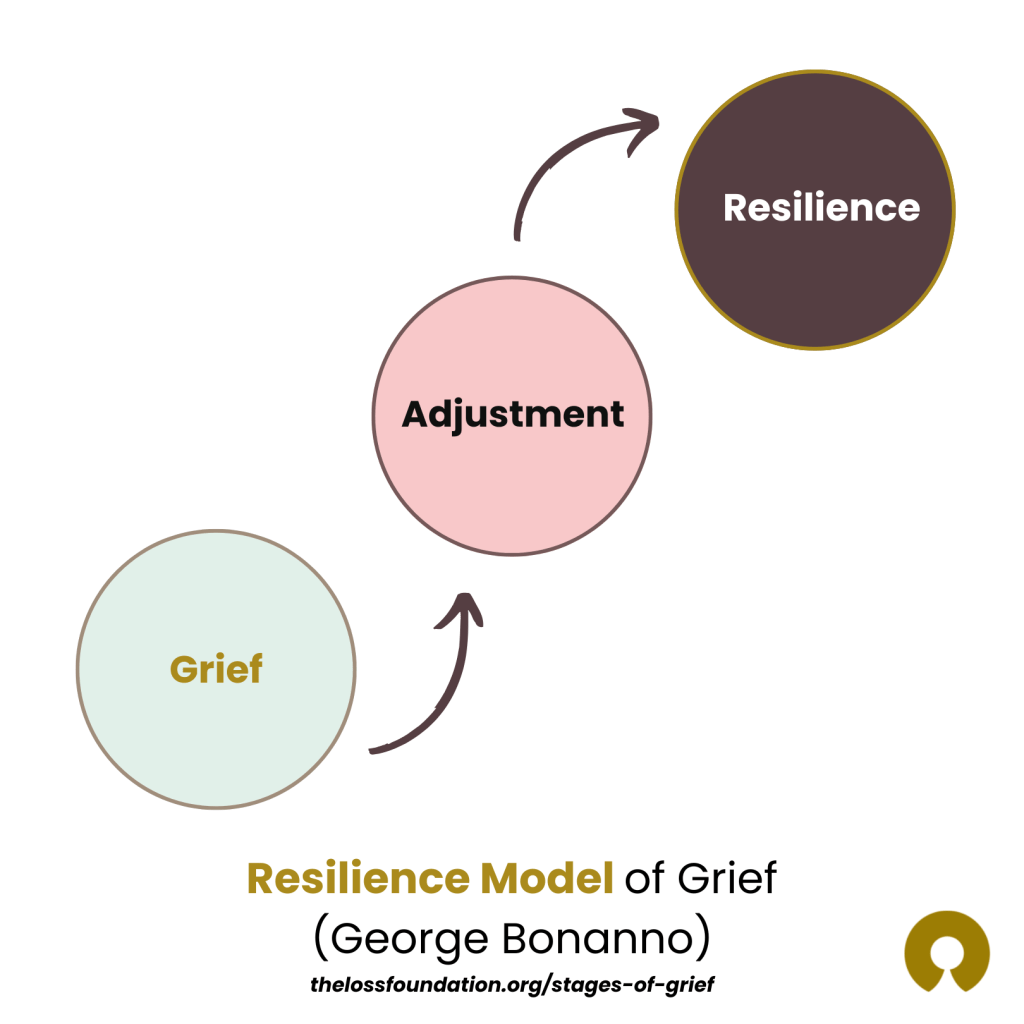
🧩 Other grief models that may resonate more deeply with your experience
Photo by Jonny Caspari on Unsplash