

No two grief journeys are the same. While many are familiar with the Five Stages of Grief, many argue that grief is more complex, evolving through eight distinct stages.
A note on our view on the stages of grief: Instead of viewing loss as a linear progression through set stages of grief, we approach it as a dynamic process with periods of intensity and calm, often described as waves that ebb and flow over time. However, this page describes the so-called eight stages, and goes on to explain our thoughts on loss.
Your Grief Journey Workbook
Grief is not a linear journey, and everyone experiences it differently. This workbook provides guidance and helpful tools for your journey.
📖 73 pages, 20 supportive activities & 8 audio meditations
🧠 Created by our Clinical Psychologists
✍️ A blend of reflection, practical exercises & coping strategies
💛 Designed for those grieving or supporting others
Donate What You Can – whether you donate nothing or something, our aim is to support you. If you donate, you’ll enable someone to attend a Support Group meeting (thank you).
-
 Your Grief Journey Workbook£15.00
What Are the 7 Stages of Grief?
Elisabeth Kübler-Ross first introduced the Five Stages of Grief (Denial, Anger, Bargaining, Depression, and Acceptance) in her book On Death and Dying (1969), based on her work with terminally ill patients. Her model became widely accepted as a way to understand grief, but over time, grief counsellors and researchers expanded upon it, leading to the development of the Seven Stages of Grief. This extended model incorporates additional emotional responses that people may experience:
1. Shock and Denial
The initial reaction to loss often brings shock and disbelief. This stage acts as a protective mechanism, allowing us to absorb the reality of our loss in manageable doses. You might feel numb or disconnected, as if the world around you is continuing while your own life has paused.
2. Pain and Guilt
As the shock fades, deep emotional pain sets in. Feelings of regret or guilt may arise—wondering if you could have done something differently, or feeling sorrow over things left unsaid. It’s essential to acknowledge these feelings rather than suppress them.
3. Anger and Bargaining
Grief can manifest as anger—toward yourself, others, or even the person who has passed. You may find yourself questioning, “Why did this happen?” or engaging in bargaining thoughts, such as, “If only I had done something differently.” This is a natural part of processing loss.
4. Depression and Loneliness
As the reality of loss settles in, feelings of sadness, emptiness, and isolation can become overwhelming. This stage can be particularly difficult, as it may feel never-ending. Seeking support from loved ones, grief groups, or professional help can provide comfort during this time.
5. The Upward Turn
Gradually, the intensity of grief lessens, and small moments of relief appear. You may begin to feel a sense of calm, and daily life starts to feel more manageable, even if the pain of loss still lingers.
6. Reconstruction and Working Through
During this stage, you start to adjust to life without your loved one. Practical matters, such as work, responsibilities, and future plans, become more of a focus. While grief is still present, it no longer dominates every aspect of life.
7. Acceptance and Hope
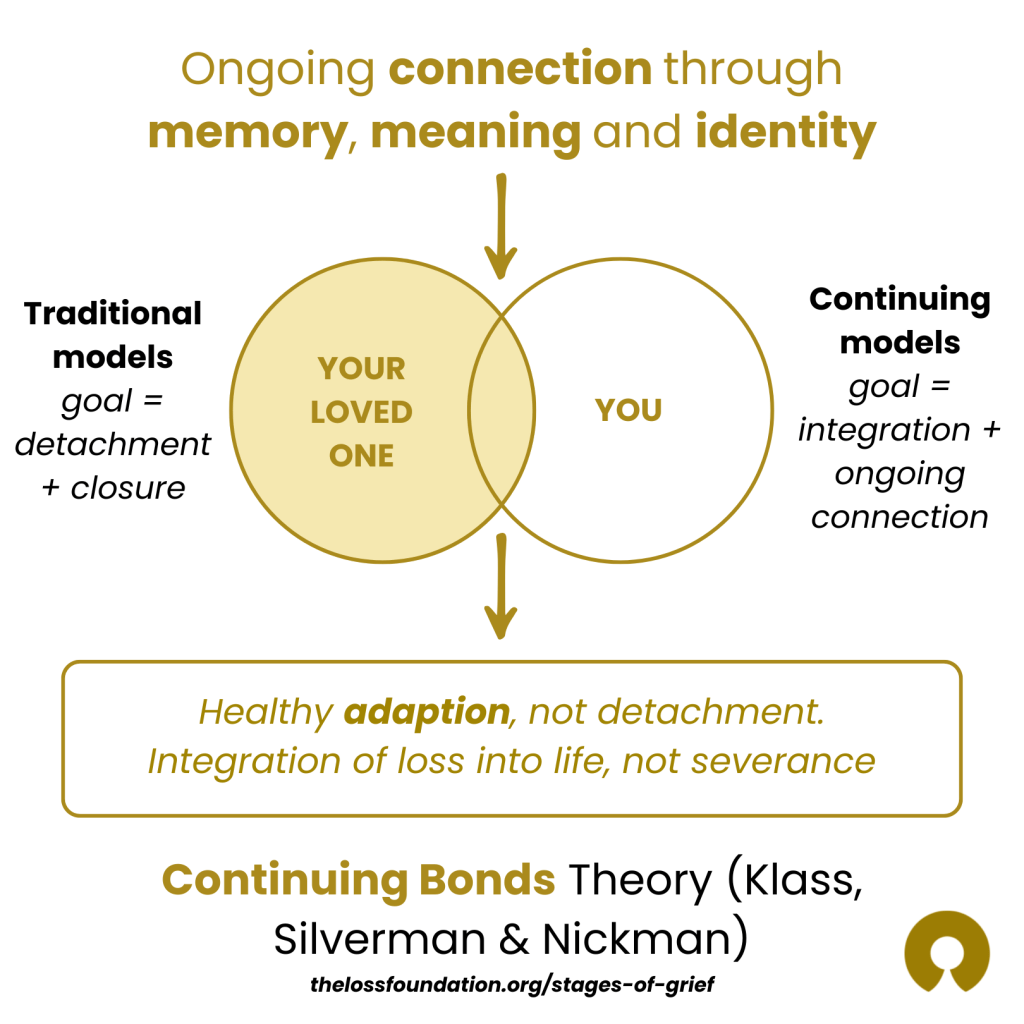
Acceptance does not mean forgetting or moving on—it means finding a way to live with the loss. You begin to integrate your grief into your life, allowing space for both sorrow and joy. Hope starts to return, and you may find new meaning in life’s experiences.
8. Finding Meaning and Growth
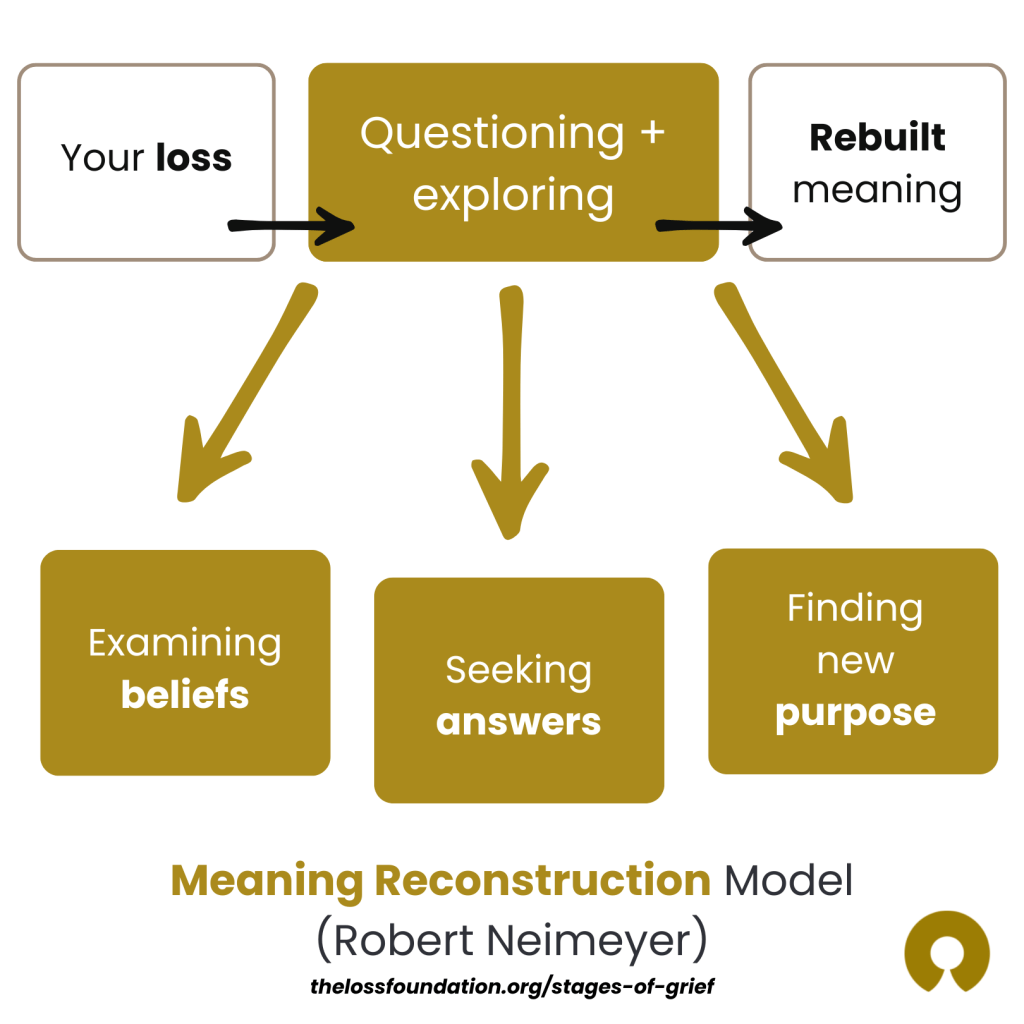
Many people discover that grief, over time, transforms into something meaningful. Whether it’s honoring a loved one’s legacy, offering support to others experiencing loss, or finding a renewed appreciation for life, this final stage is about growth and resilience.
Grief Is Not a Predictable Sequence of Stages
Grief is not linear, and you may move back and forth between stages. There is no right or wrong way to grieve—only what feels right for you. Understanding these eight stages can help provide reassurance that what you’re experiencing is natural.
At The Loss Foundation, we offer grief support, community, and resources to help you through this journey. If you or someone you know is grieving, know that you are not alone, and support is available.
Your Grief Journey Workbook
Grief is not a linear journey, and everyone experiences it differently. This workbook provides guidance and helpful tools for your journey.
📖 73 pages, 20 supportive activities & 8 audio meditations
🧠 Created by our Clinical Psychologists
✍️ A blend of reflection, practical exercises & coping strategies
💛 Designed for those grieving or supporting others
-
Your Grief Journey Workbook£15.00
Grief Support: What We Offer
We provide a variety of tools, resources, and support options to help individuals navigate their grief:
- Grief Support Groups: Our support groups offer a safe and welcoming space to share your feelings, connect with others on a similar journey, and receive compassionate support through grief.
- Grief Worksheets: Our grief workbook offers a space for self-reflection and emotional healing, featuring exercises to support your unique journey through loss. Designed as a gentle guide rather than a rigid path, it encourages personal growth and understanding at your own pace.
- Grief Meditations: Grief can feel all-consuming, making it difficult to find peace. Our guided meditations provide a gentle space for reflection, helping you navigate your emotions and discover moments of tranquillity even in the midst of sorrow.
At The Loss Foundation, we recognise that grief is not a predictable sequence of stages.
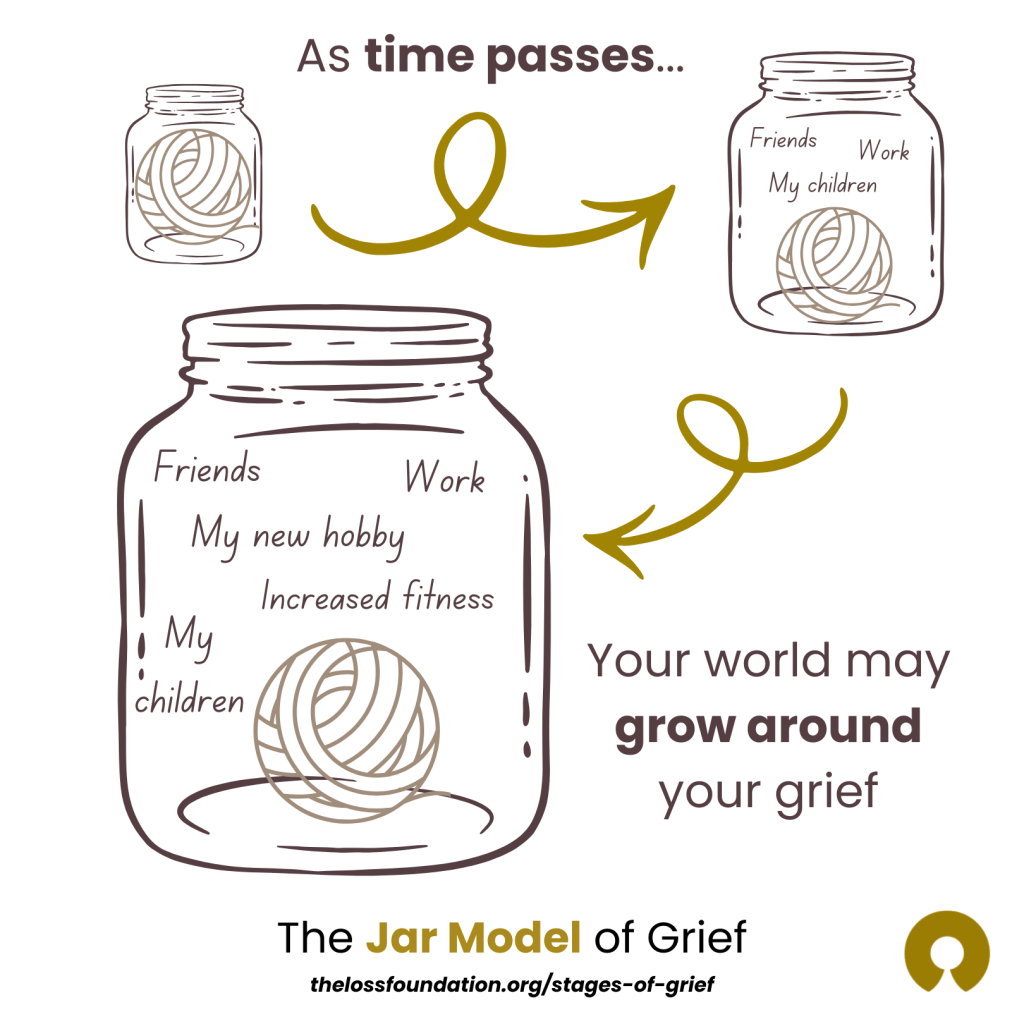
Instead, it is a fluid experience, marked by waves of emotion that come and go. Some may resonate with structured models, while others may find them too rigid. However you process loss, know that your journey is unique, and there is no wrong way to grieve.
Chapter spotlight: The Five Stages of Grief & Other Models
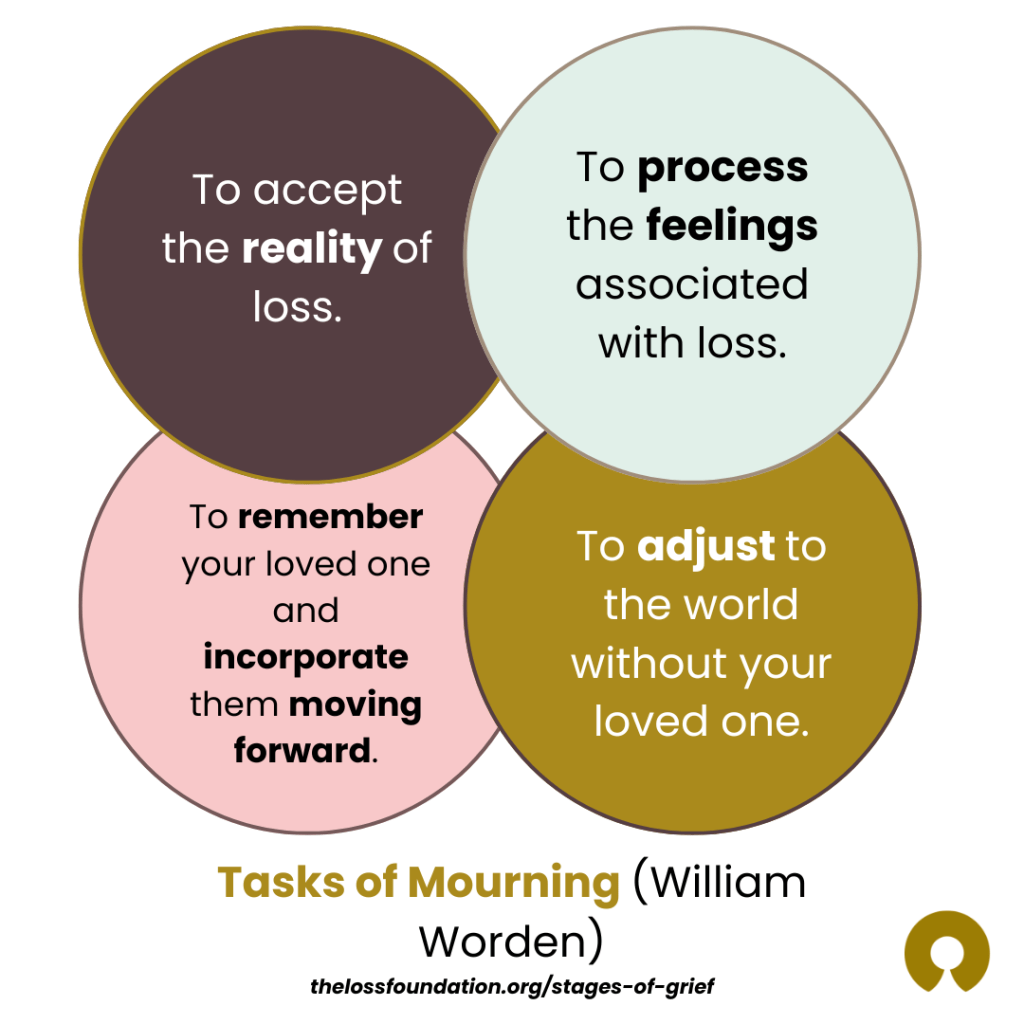
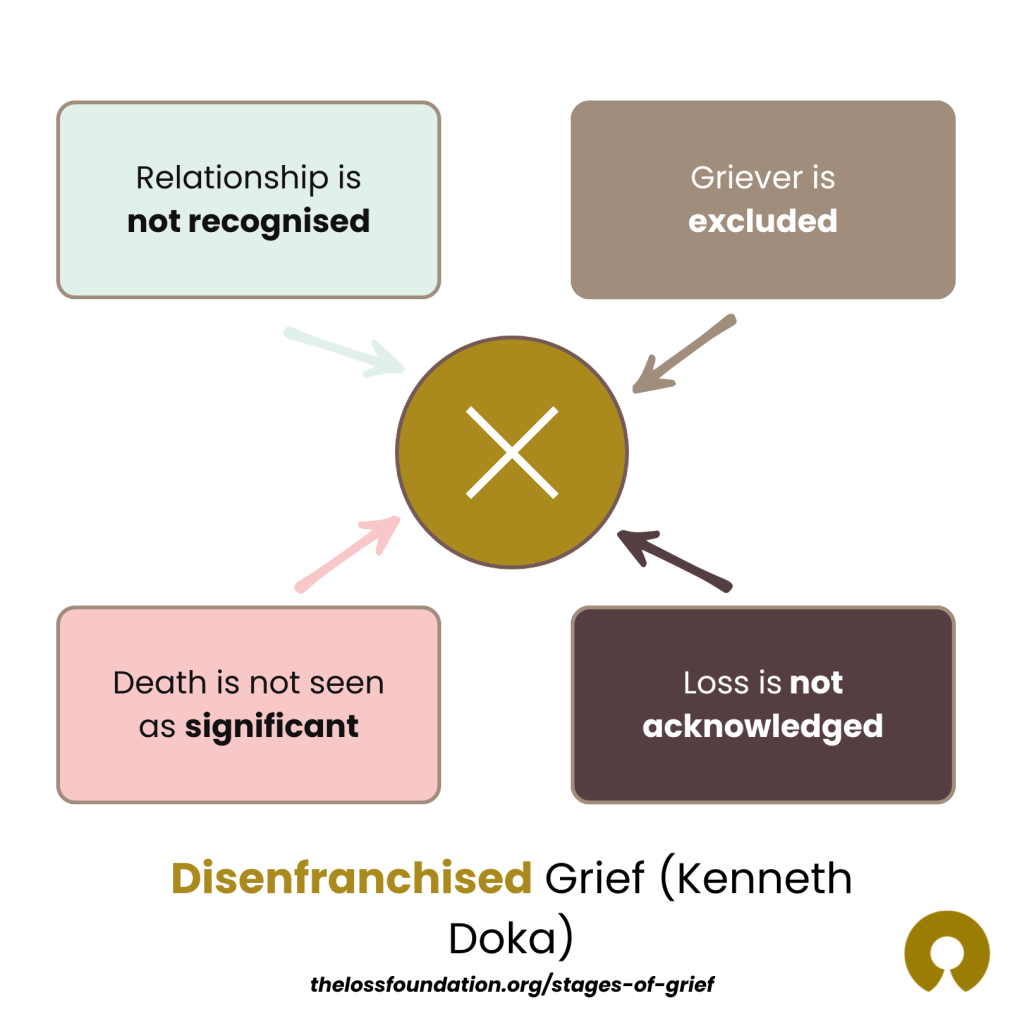
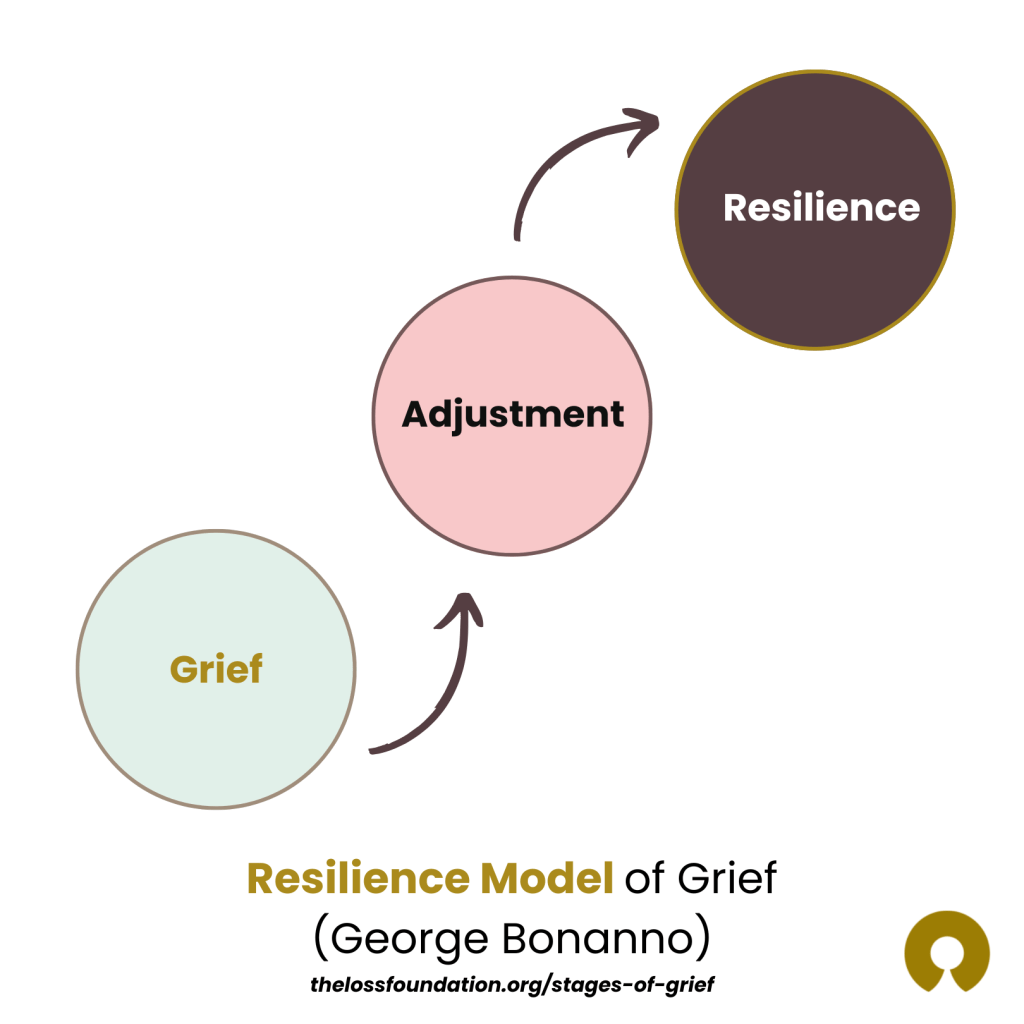
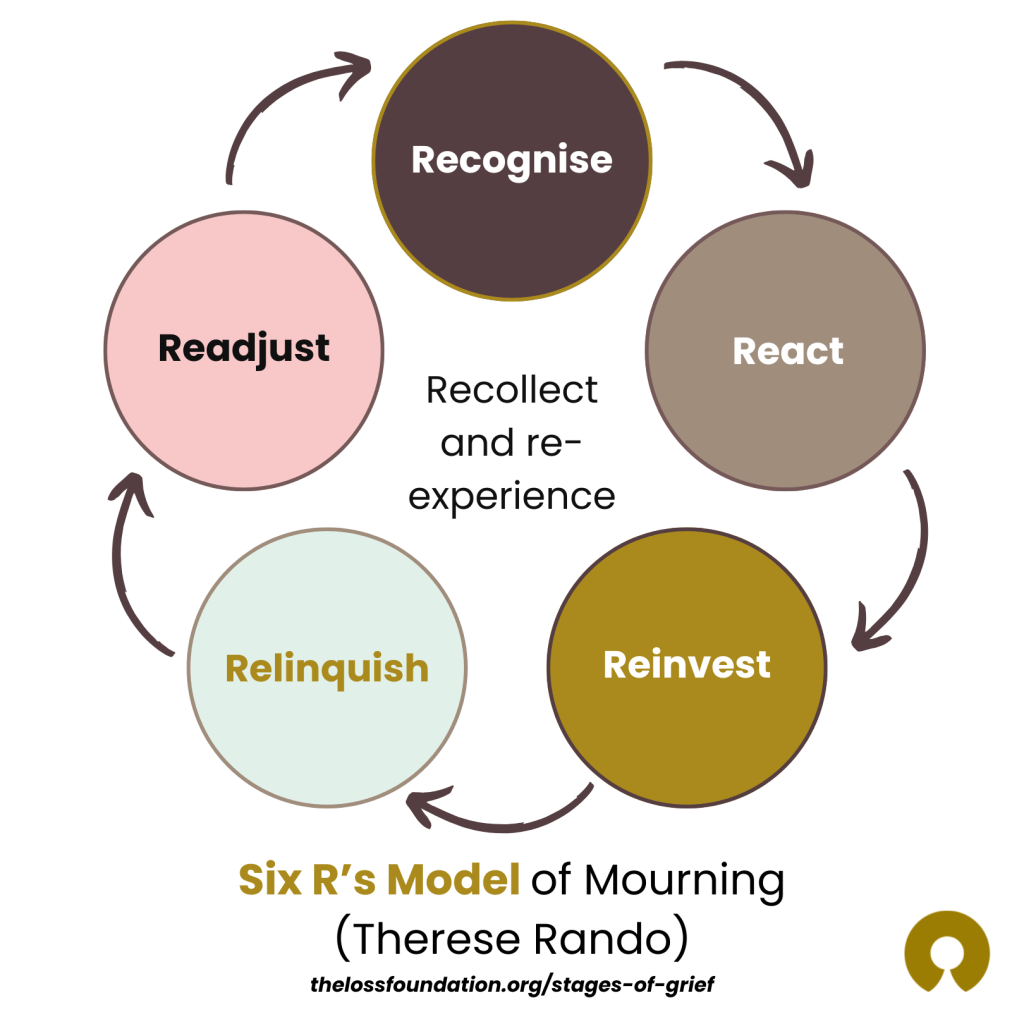
The Five Stages of Grief, introduced by Elisabeth Kübler-Ross, offer one perspective on processing loss—moving through denial, anger, bargaining, depression, and acceptance. While this model has helped many, it has also faced criticism for suggesting a linear path when grief is often complex and deeply personal. In The Grief Journey Workbook, we examine this framework alongside a more flexible, individualized approach, allowing you to explore what truly aligns with your experience.
🧠 Explore How the ‘Stages of Grief’ Work
The “stages” of grief are one of the most familiar frameworks people turn to when trying to understand loss – yet they’re often interpreted too literally.
Our Stages of Grief guide breaks down where the model came from, what each stage represents, and how it can offer insight without suggesting grief moves in tidy steps.



Explore the page to learn:
📘 A clear explanation of what the Five Stages do – and don’t – mean
🧭 Why grief shifts over time rather than progressing in order
🌊 How emotions can rise and fall in waves
🧩 Other grief models that may resonate more deeply with your experience