
Understanding grief: what it is, how it feels, and how it affects us
On this page (skip to the content you need…)
What is grief?
Grief is the emotional, psychological, and physical response to loss.

Although it is most commonly associated with bereavement after someone has died, grief can also occur after other significant losses, such as changes in health, relationships, identity, or future expectations.
Grief is not a sign of weakness or something that needs to be “fixed”. It is a human response to attachment and connection, and it reflects the meaning that someone or something held in a person’s life.
What does grief feel like?
Grief can feel different for everyone, and even for the same person it may change from day to day.
Grief often comes in waves rather than a steady or predictable pattern. These waves can be triggered by memories, dates, places, or unexpected reminders.
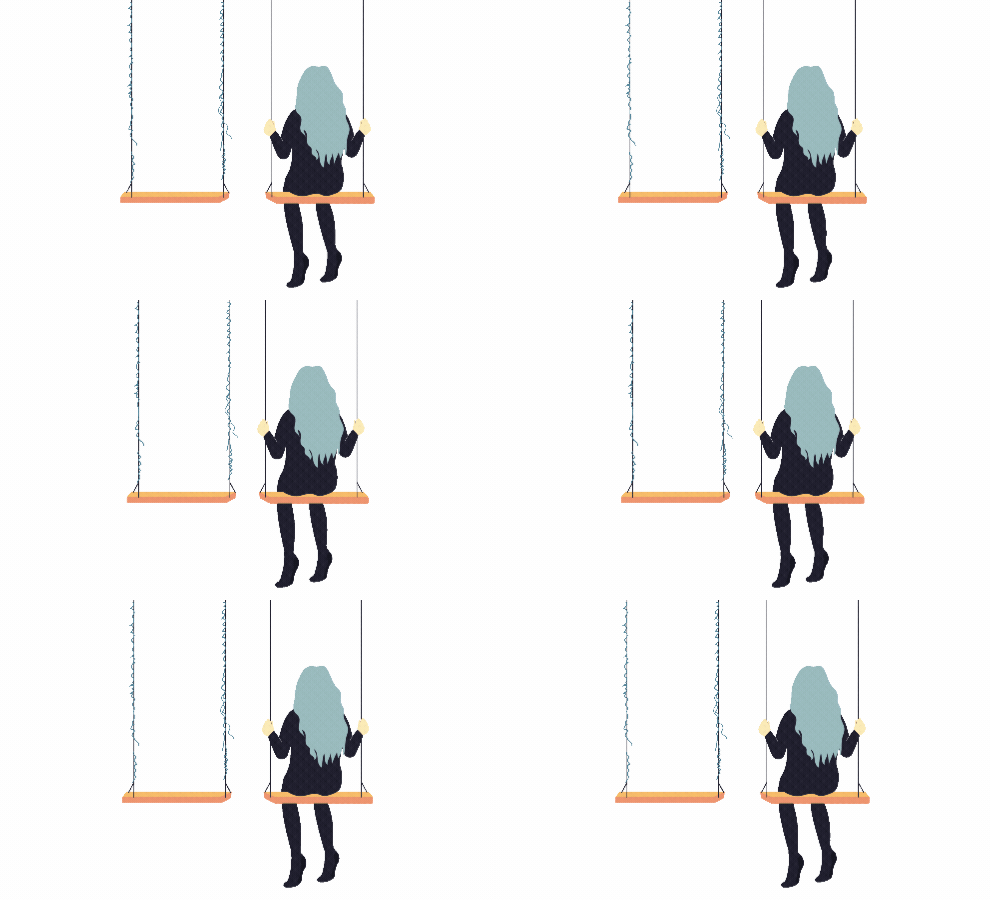
Common experiences can include:
- Emotional responses such as sadness, anger, guilt, anxiety, or longing
- Periods of numbness or shutdown
- Difficulty concentrating or making decisions
- Feeling disconnected
- Physical symptoms such as fatigue, tension, sleep disruption, or changes in appetite

Explore our tools for grief
Explore our grief resources, bringing together practical tools, expert guidance, and psychological insights to help you cope with loss over time.

Effects of grief
Grief can affect many areas of life beyond emotional wellbeing.
It may influence:
- Relationships, including feeling more withdrawn or needing increased support
- Work or study, particularly concentration and productivity
- Sense of identity, especially after the loss of someone central in a person’s life
- Physical health, through stress-related symptoms or changes in routine
These effects are often most intense in the early period of bereavement but can continue to fluctuate over time.
Types of grief experiences
Grief does not look the same for everyone, and there are different patterns that people may experience.

Anticipatory grief
Anticipatory grief occurs when a loss is expected, such as during a terminal illness. People may begin to experience grief reactions before the death occurs, including sadness, fear, and emotional preparation for the loss.

Delayed grief
Delayed grief may occur when emotional responses are postponed or not fully felt at the time of loss. This can happen when someone is in shock, focused on practical responsibilities, or emotionally overwhelmed, with grief reactions emerging later.

Traumatic grief
Traumatic grief occurs when a loss is sudden, unexpected, or deeply distressing, and the circumstances of the death are experienced as traumatic. Alongside grief, people may experience symptoms such as intrusive memories, heightened anxiety, or feeling on edge.

Prolonged grief
Prolonged grief refers to grief that remains intense and persistent over a long period of time, beyond what might be expected in a typical bereavement process. It can involve ongoing yearning, difficulty accepting the loss, and challenges in re-engaging with life.

Managing grief
There is no right way to “manage” grief, and it is not something that can be resolved quickly. For many people, grief gradually becomes easier to live with over time, although it may never fully disappear.
Helpful approaches can include allowing space for emotions, looking after your physical and emotional wellbeing, maintaining connection with supportive people, and finding ways to remember or stay connected to the person who has died. This may also include basic self-care such as rest, routines, eating regularly, and giving yourself permission to take things at your own pace.
Some people also find it helpful to understand grief through psychological models and frameworks, which can offer language for experiences that feel hard to explain.
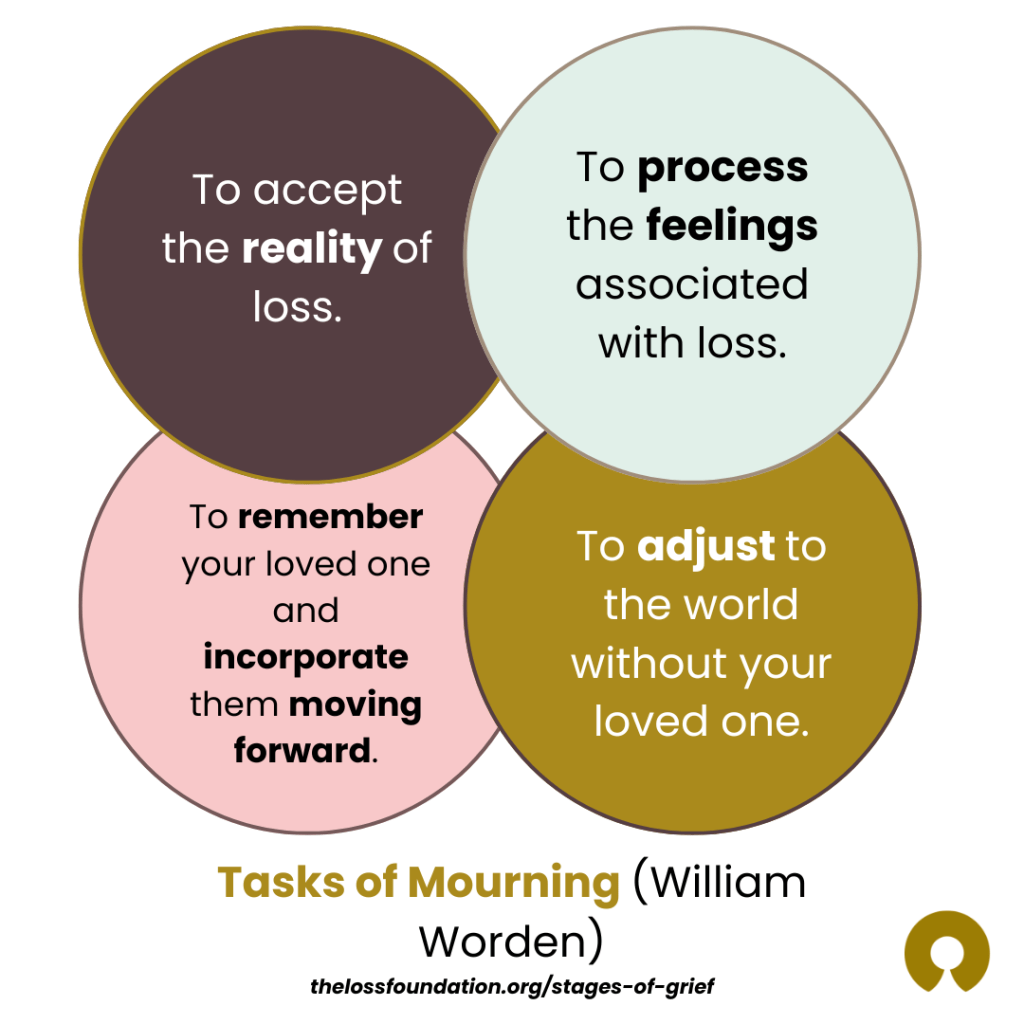
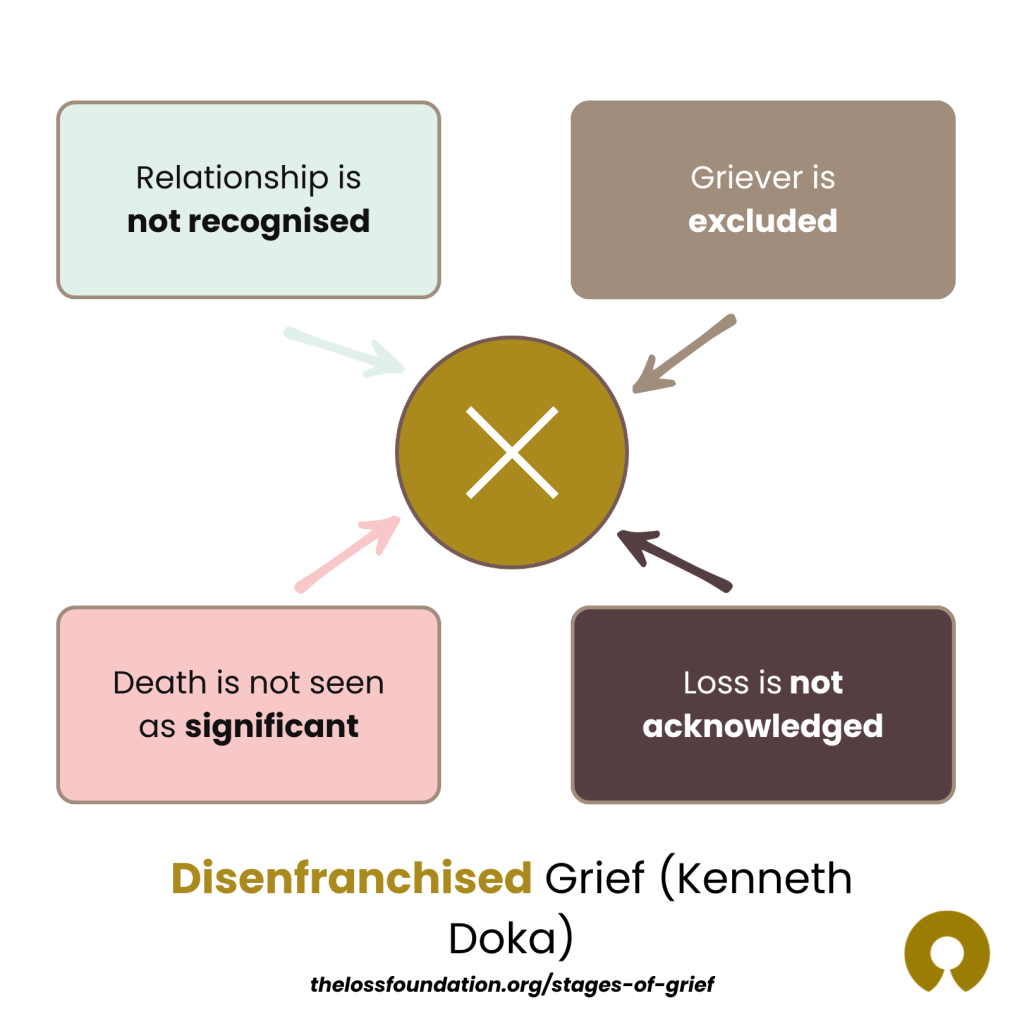
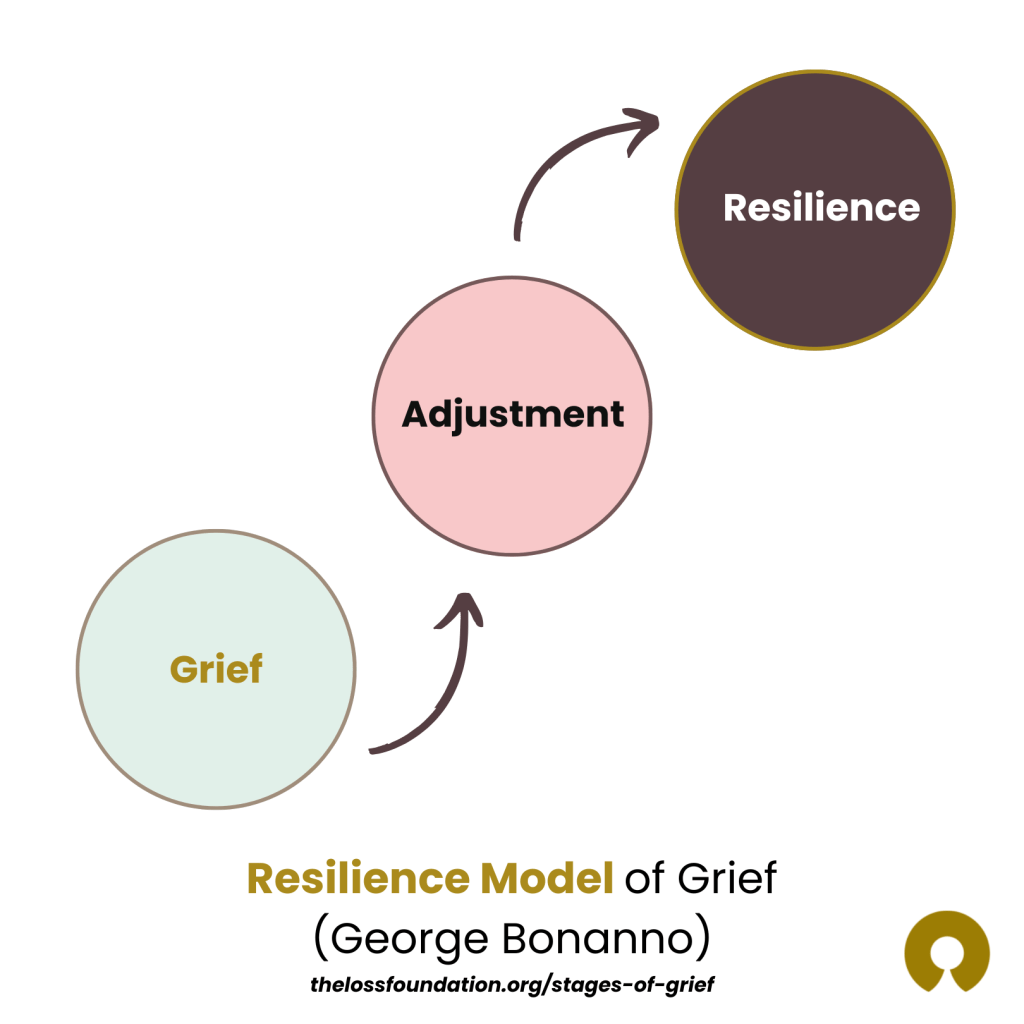

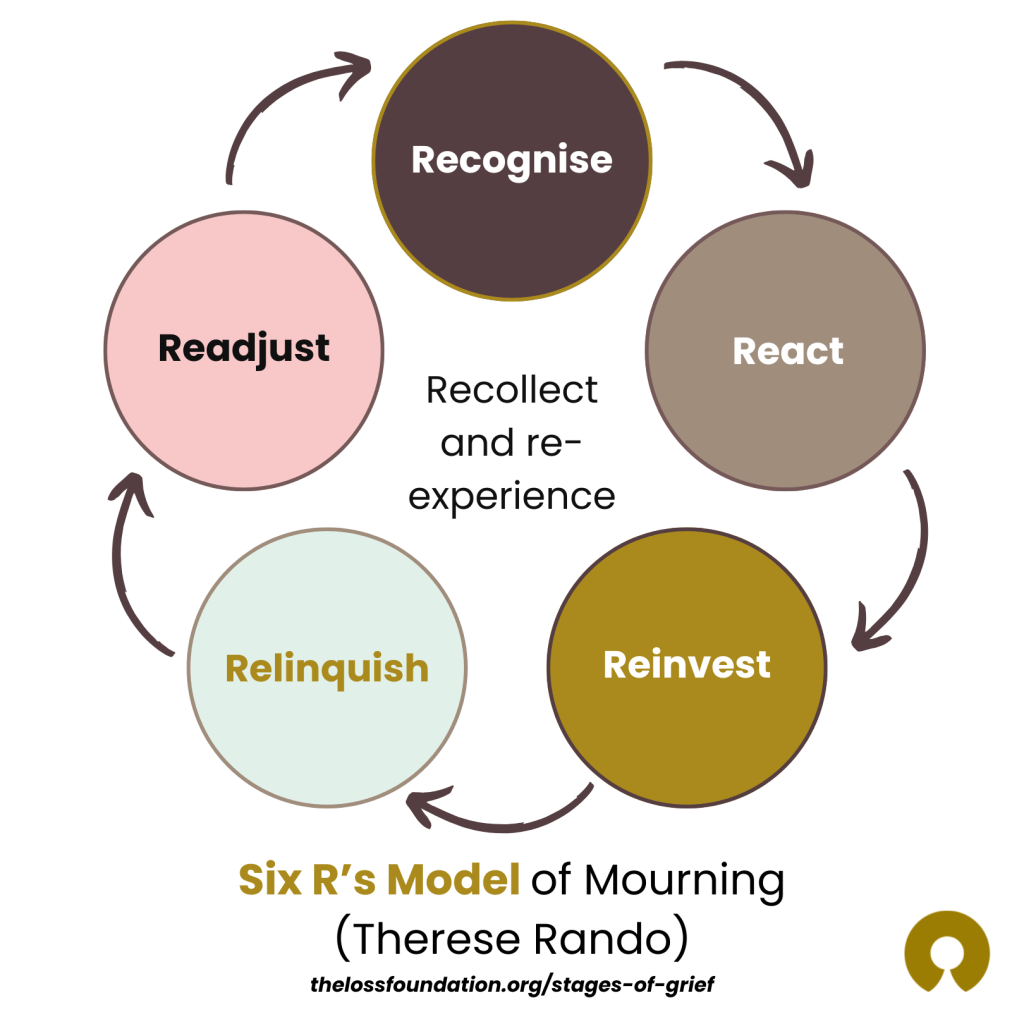
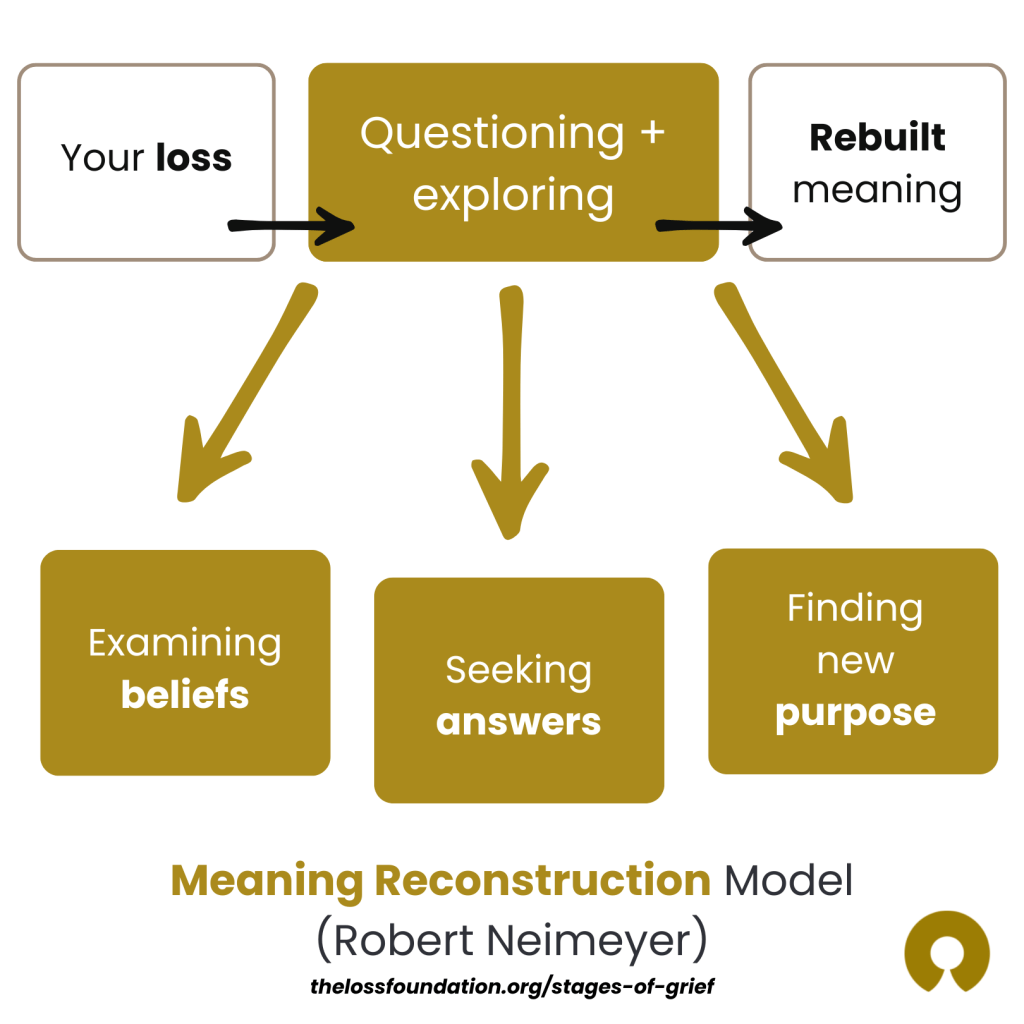
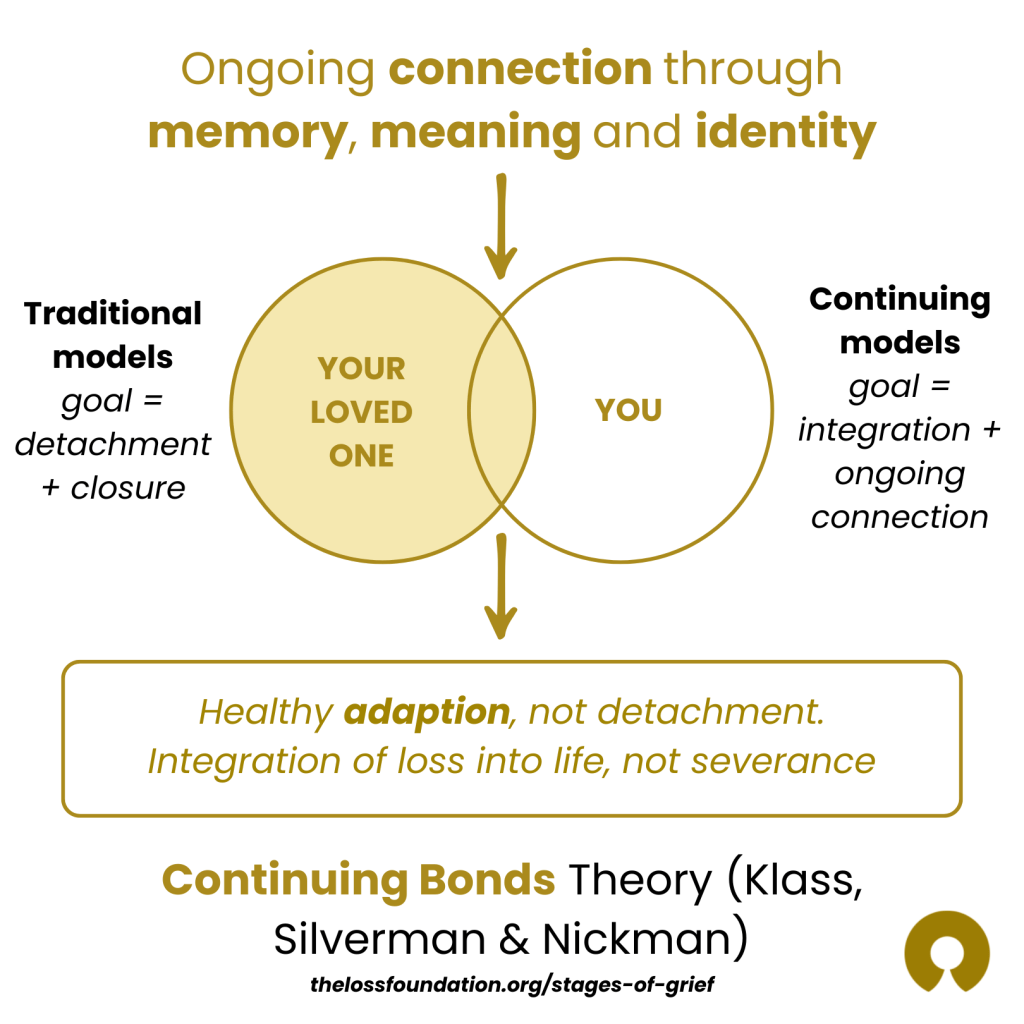

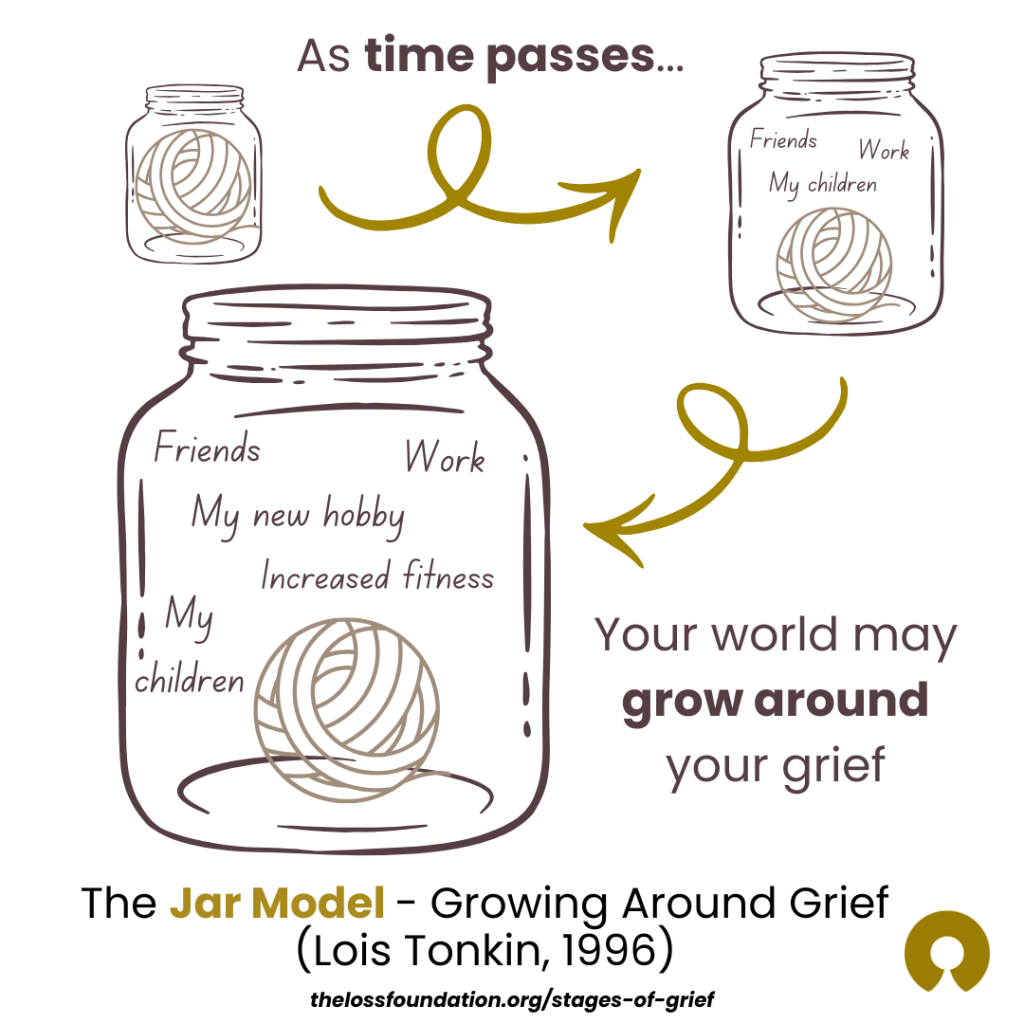
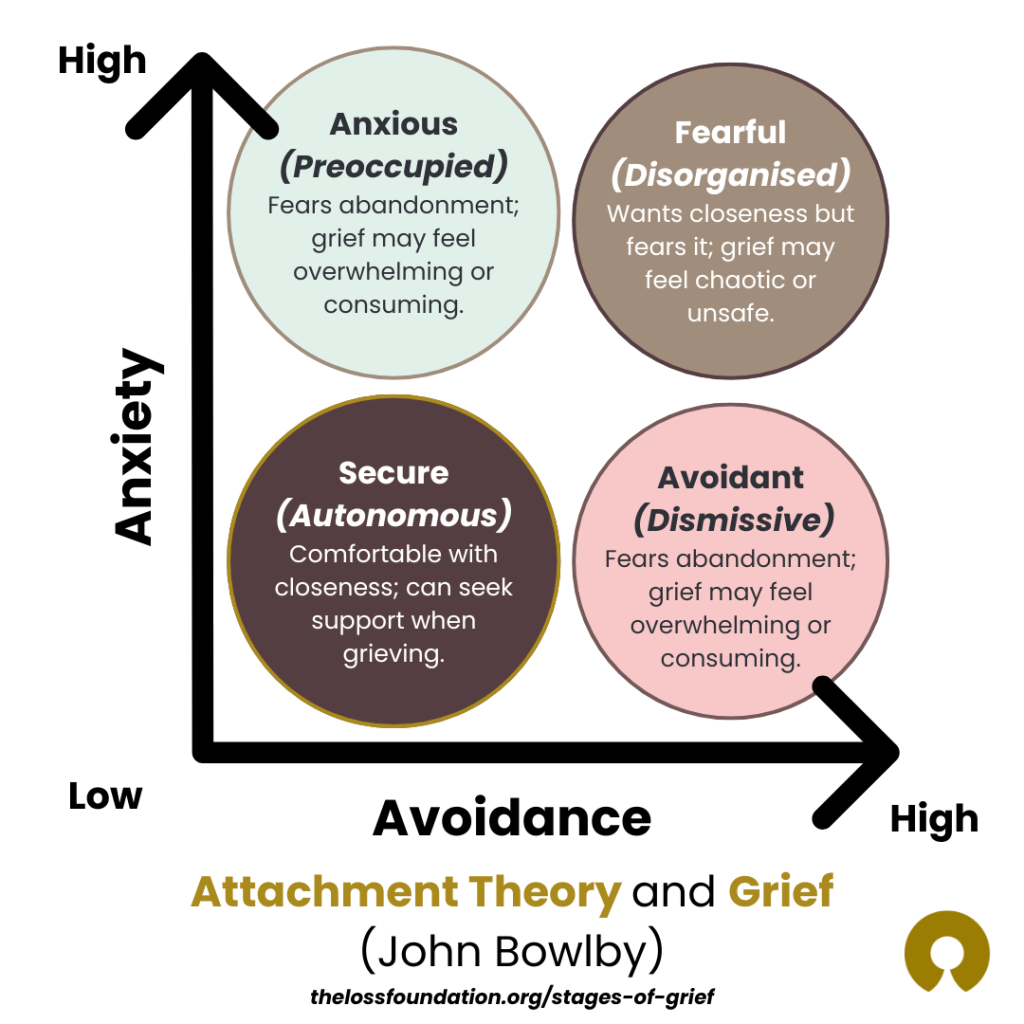
Grief often involves adjusting to life after loss rather than “moving on” from it. This process can take time and may involve periods of both coping and difficulty.
While no single model can fully explain grief, psychological frameworks can help make sense of how people respond to loss. Below are examples from our Grief Journey Workbook, offering different ways of understanding bereavement and the many ways grief can be experienced.


When to seek support
While grief is a natural response, there are times when additional support may be helpful. This may include situations where grief feels overwhelming, persists without change over a long period, or significantly impacts daily functioning.
Support can come in many forms, including speaking with friends or family, accessing bereavement services, or seeking professional psychological support via your GP.
Where next?
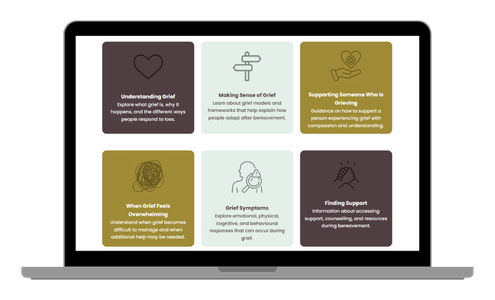
This page is part of our wider grief and bereavement hub, which brings together information on understanding loss, coping with grief, supporting others, and finding appropriate help when needed.